

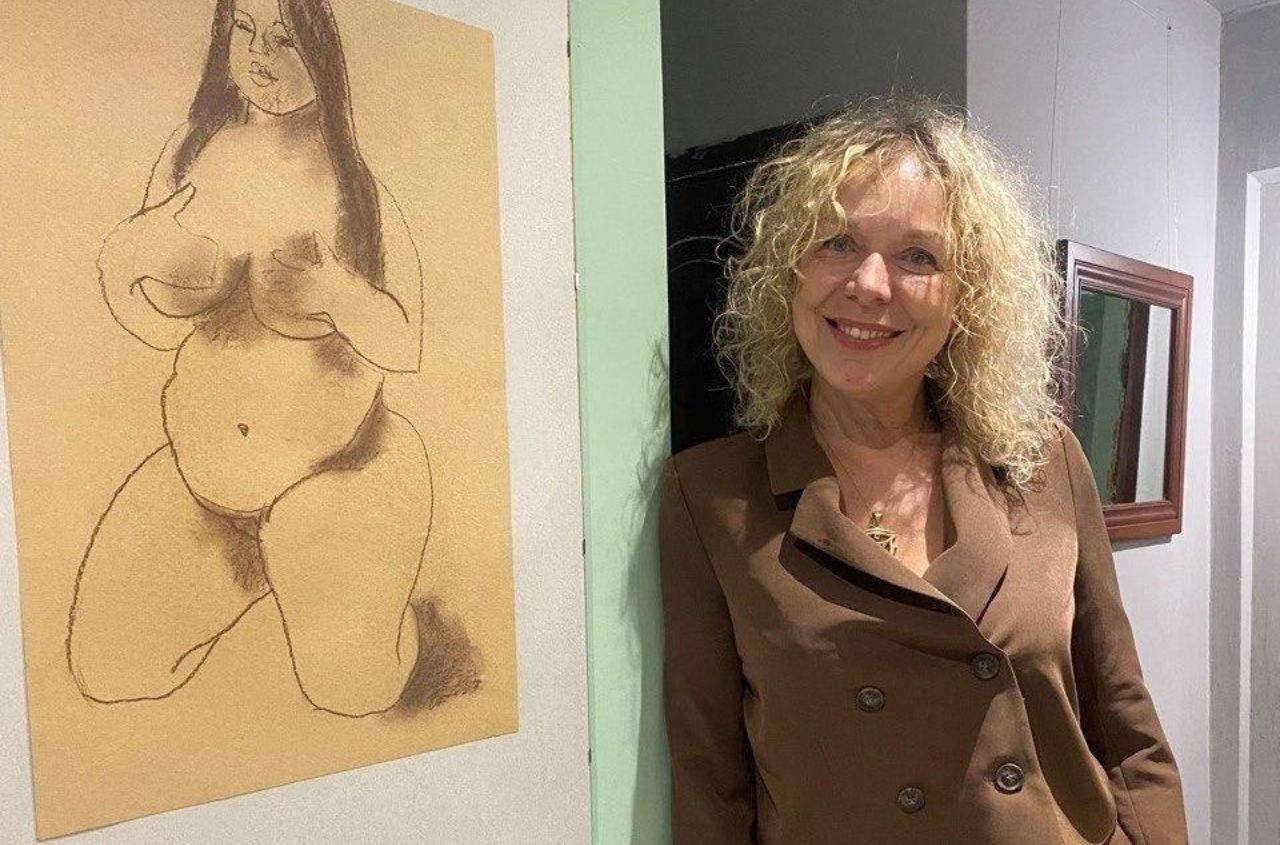

Main image: Svetlana Grigorieva
The fifty-fifth interview through images by Andrey Sheptunov
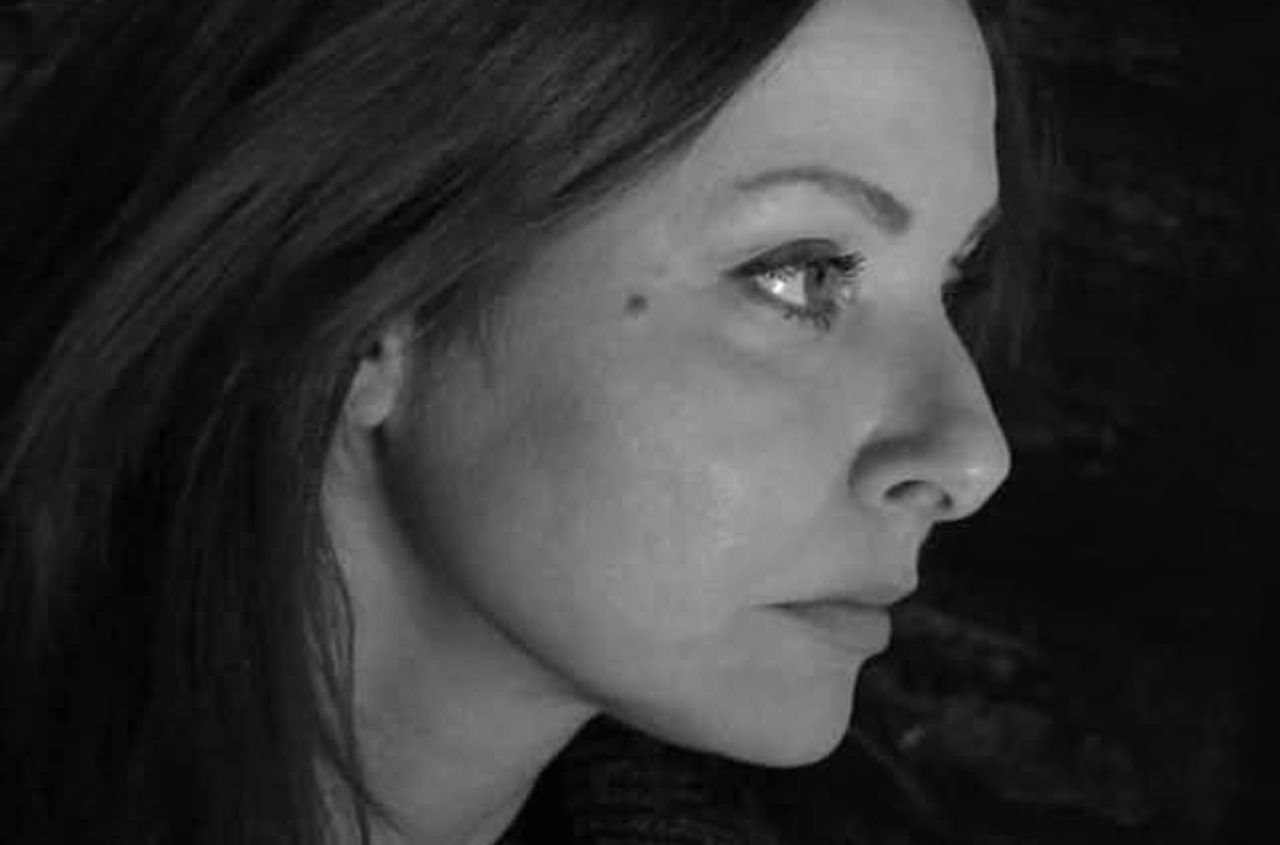
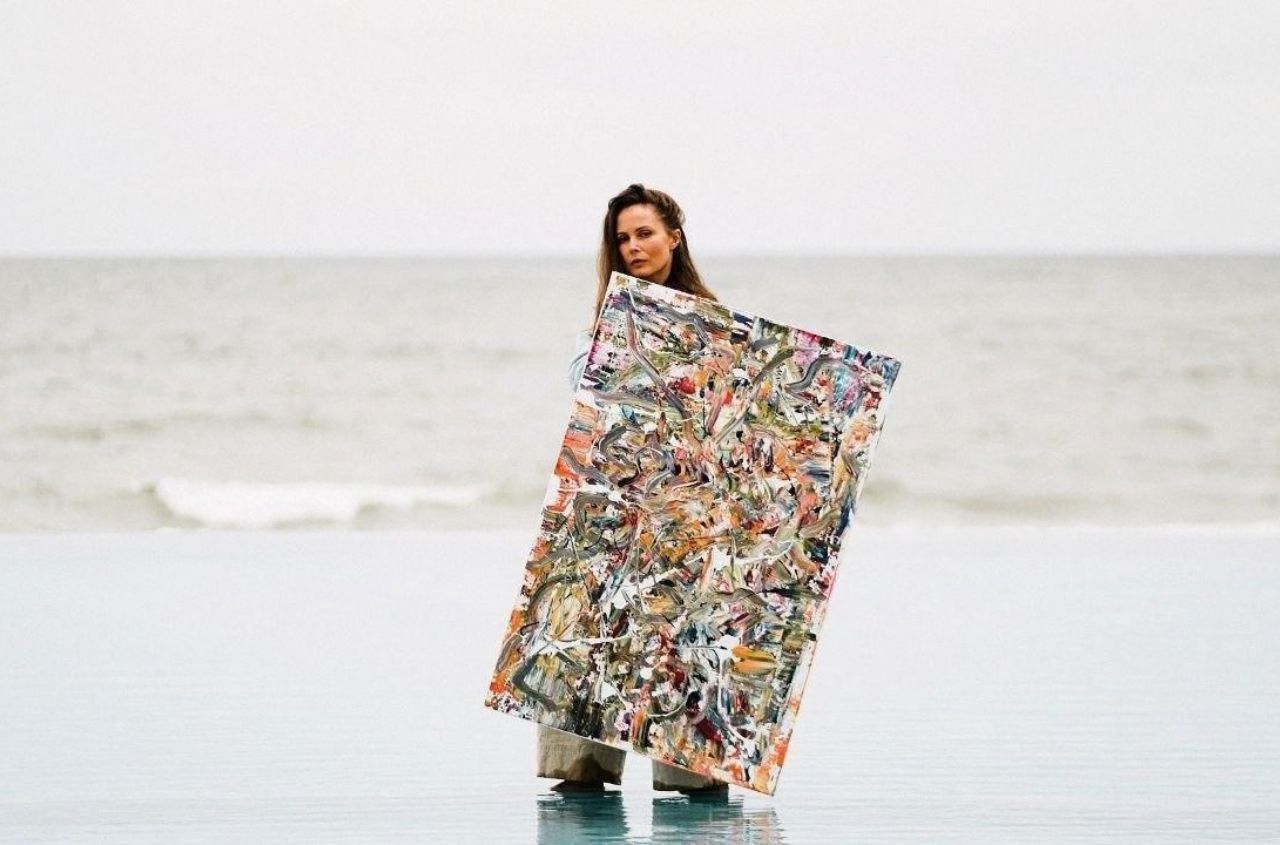
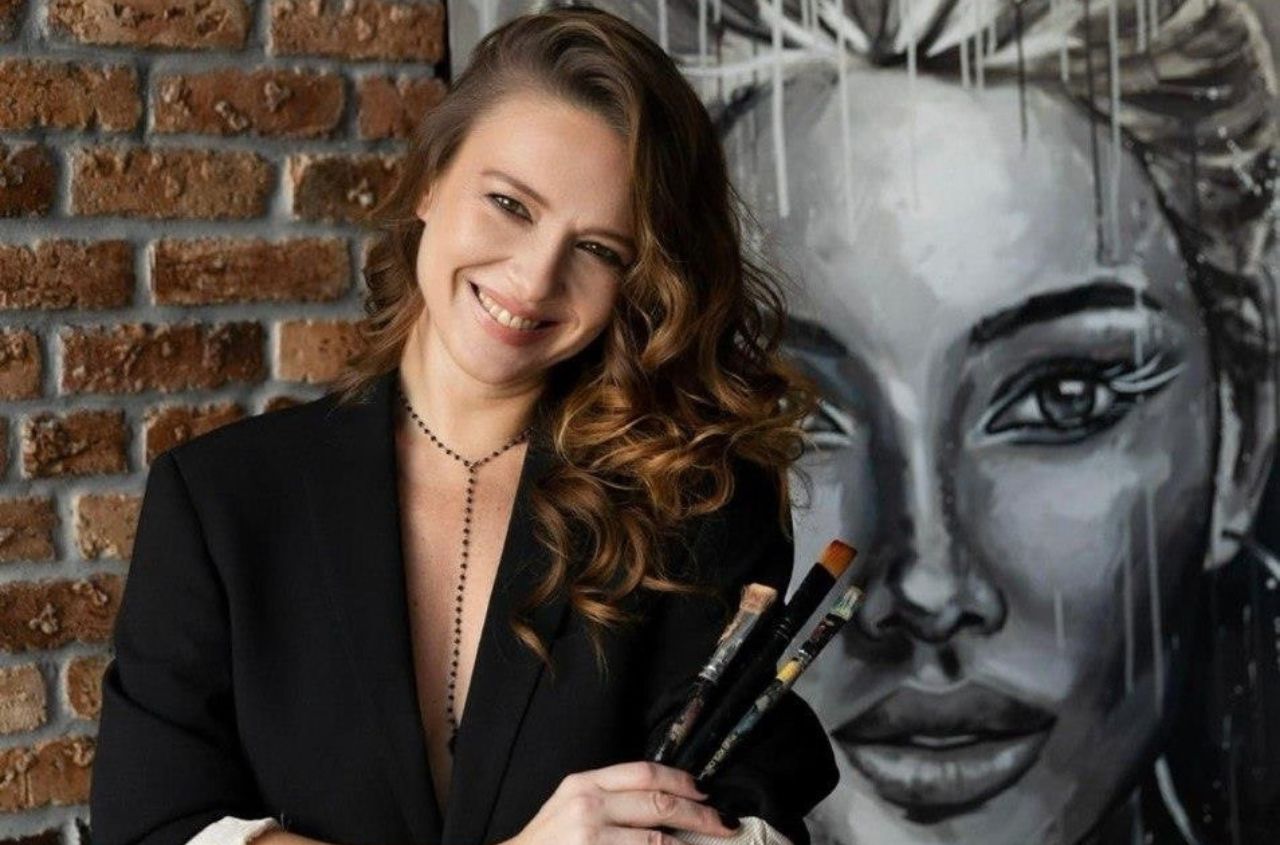
Contemporary art is remarkable in that it rarely exists in isolation from other fields of human knowledge. The creative journey of Odessa artist Svetlana Grigorieva is a vivid testament to this. Today, Svetlana harmoniously combines the roles of a mature master, a scientific researcher, a teacher, and a practicing psychoanalyst. This profound connection between understanding the human soul and delicately working with the element of paint transforms her canvases and graphics into a unique space where visual images become a direct extension of deep inner processes.
The current vector of her professional life is filled with active exhibition activity both in Ukraine and far beyond its borders—from Kyiv to Berlin. Among the landmark milestones of recent years are the project "Beauty, Just a Little Bit of Beauty" ("Краса, тільки трішечки краси"), regular participation in the all-Ukrainian movement "Sea of Watercolor" ("Море акварелі"), as well as in exhibitions of the National Union of Artists of Ukraine.
The author's latest works can be seen today in the Odessa art space ArtCava on Torhova Street, and Svetlana's art itself has long transcended local boundaries: her works are in demand and regularly enrich private collections in various countries around the world.
Svetlana's artistic style is firmly associated with a masterful command of watercolor—one of the most capricious, vibrant, and rebellious techniques. Her landscapes are filled with the shifting breath of the southern city and its coastline. Iconic landscapes come to life on paper: Dolphin Beach shrouded in a mystical mist, sun-drenched Lanzheron, or the still, poetic views of Kuyalnik. Water here acts simultaneously as a material and the main conceptual core, allowing the author to capture the intangible—the movement of air, the dampness of the sea breeze, and the subtlest phases of weather metamorphoses.
Floral motifs occupy a special place in this ecosystem of meanings. Flowers in Svetlana's interpretation are not merely decorative still lifes, but unique emotional portraits of inner states. Through the fragile petals of anemones, blazing poppies, delicate phloxes, or the strict forms of echeveria, the artist transmits powerful psychological impulses. Thanks to the layering of pigment and the internal glow of the paper, her natural images acquire a pronounced therapeutic, healing effect, returning a sense of harmony and hope to the viewer.
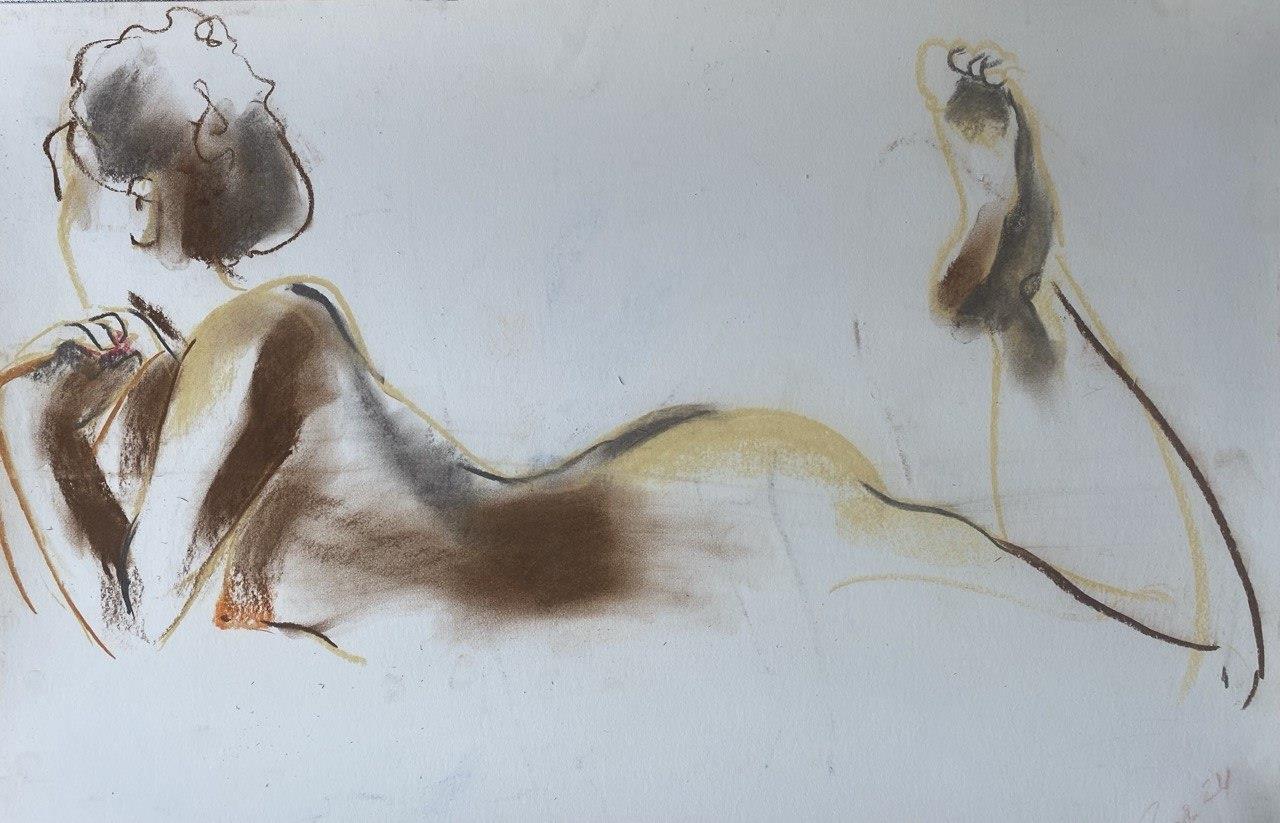
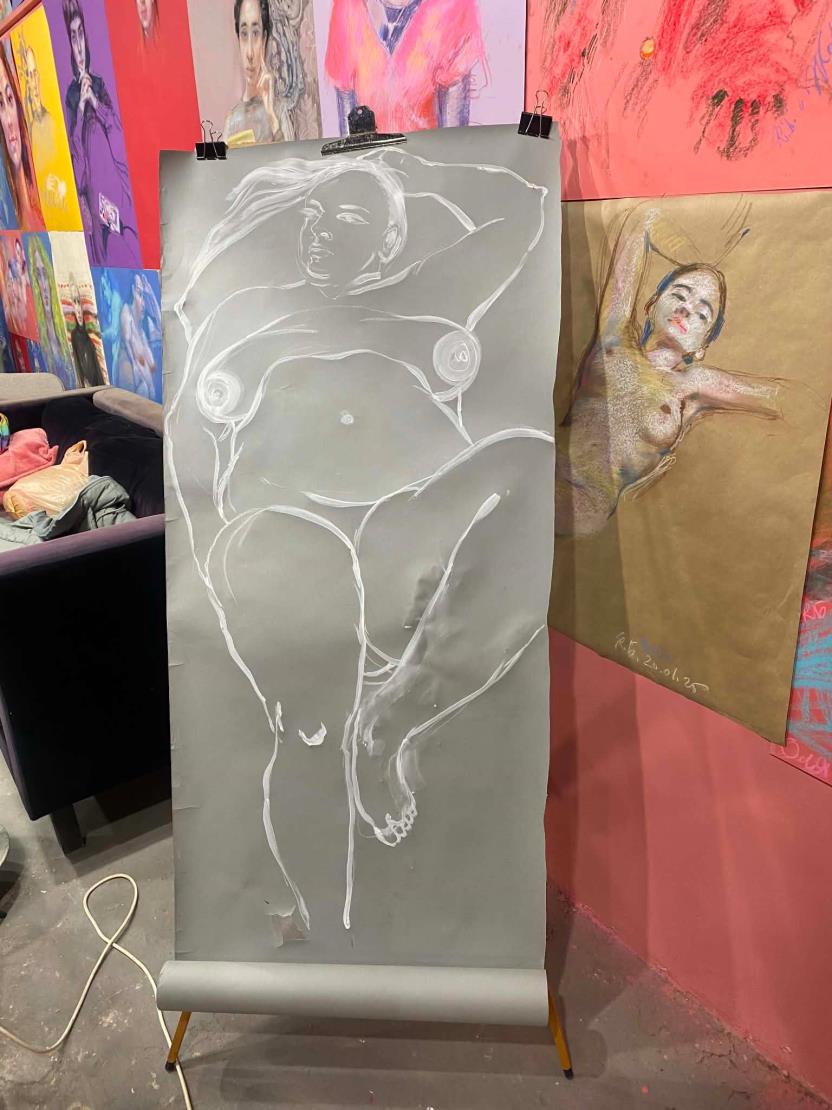
A completely different, expressive facet of Grigorieva's talent unfolds in the genre of portraiture and nude, where the watercolor airiness is replaced by sensual pastel, ink, and mixed media. A candid, mature eroticism pulses in her depictions of models.
This is an honest and unconventional conversation about the plasticity of the human body, its magnetism, strength, and vulnerability. By laying the nature bare, the author explores the boundaries of passion and psychological intimacy, turning each portrait into a profound exploration of the hidden human Self.
This impressive duality—the ability to balance between the meditative poetry of the landscape and the explicit sensuality of the nude—makes Svetlana Grigorieva's artistic language unique. To reveal the inner architecture of her world, we structured our conversation in the format of a visualization dialogue.
In this interview, textual questions serve merely as a map, while Svetlana herself acts as the main guide, responding to them in the most uncompromising and sincere way—through her artworks, which reflect her current creative and spiritual path.
1. Which of your works best conveys that fleeting mood of Odesa which is impossible to catch with a glance, but can be felt with the heart?
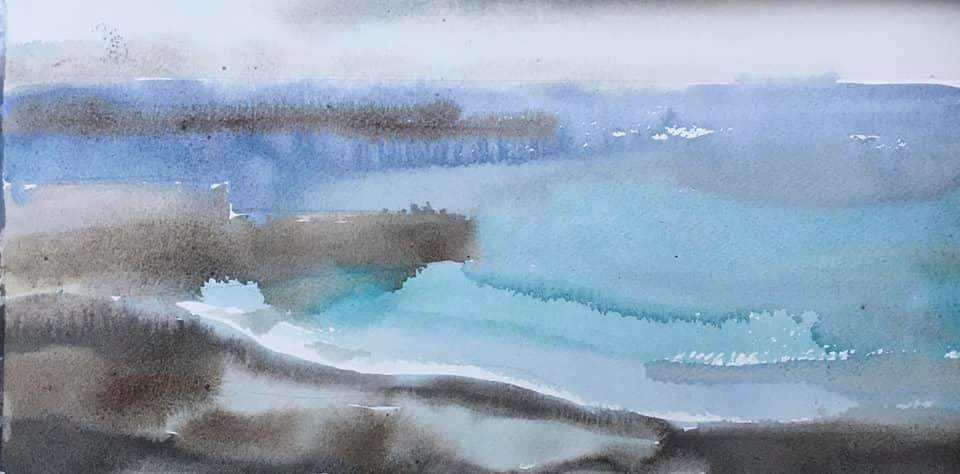
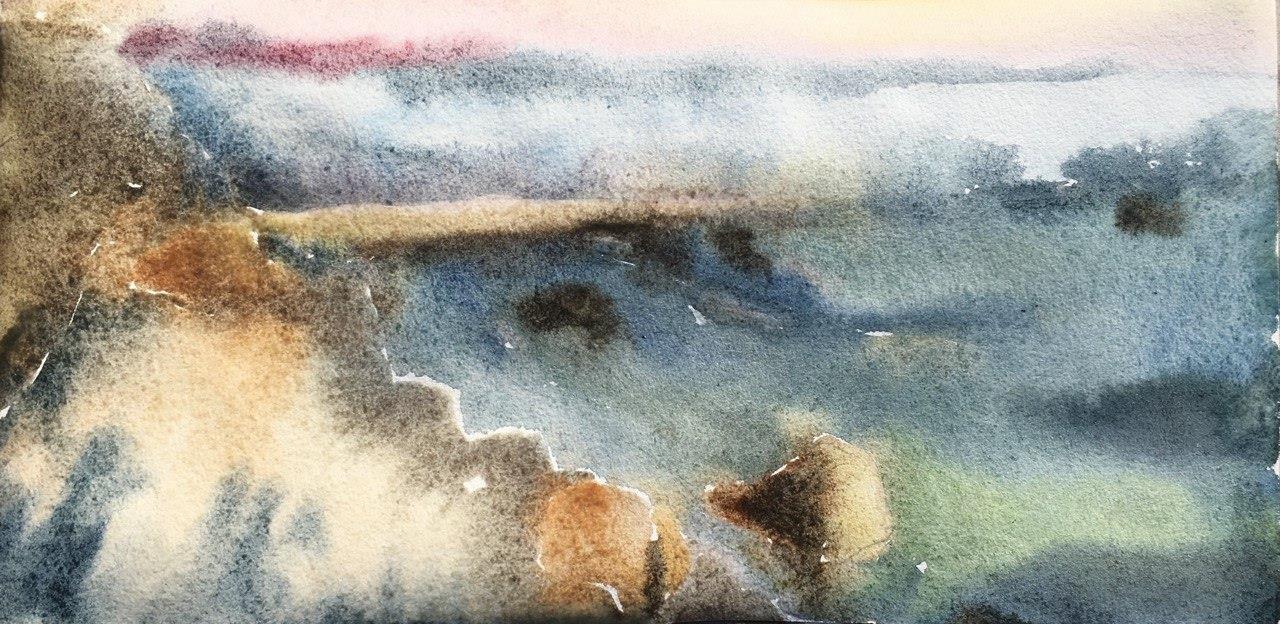
2. Which of your paintings took the longest and was the most difficult to create, despite the light, airy, and flowing nature of the technique itself?
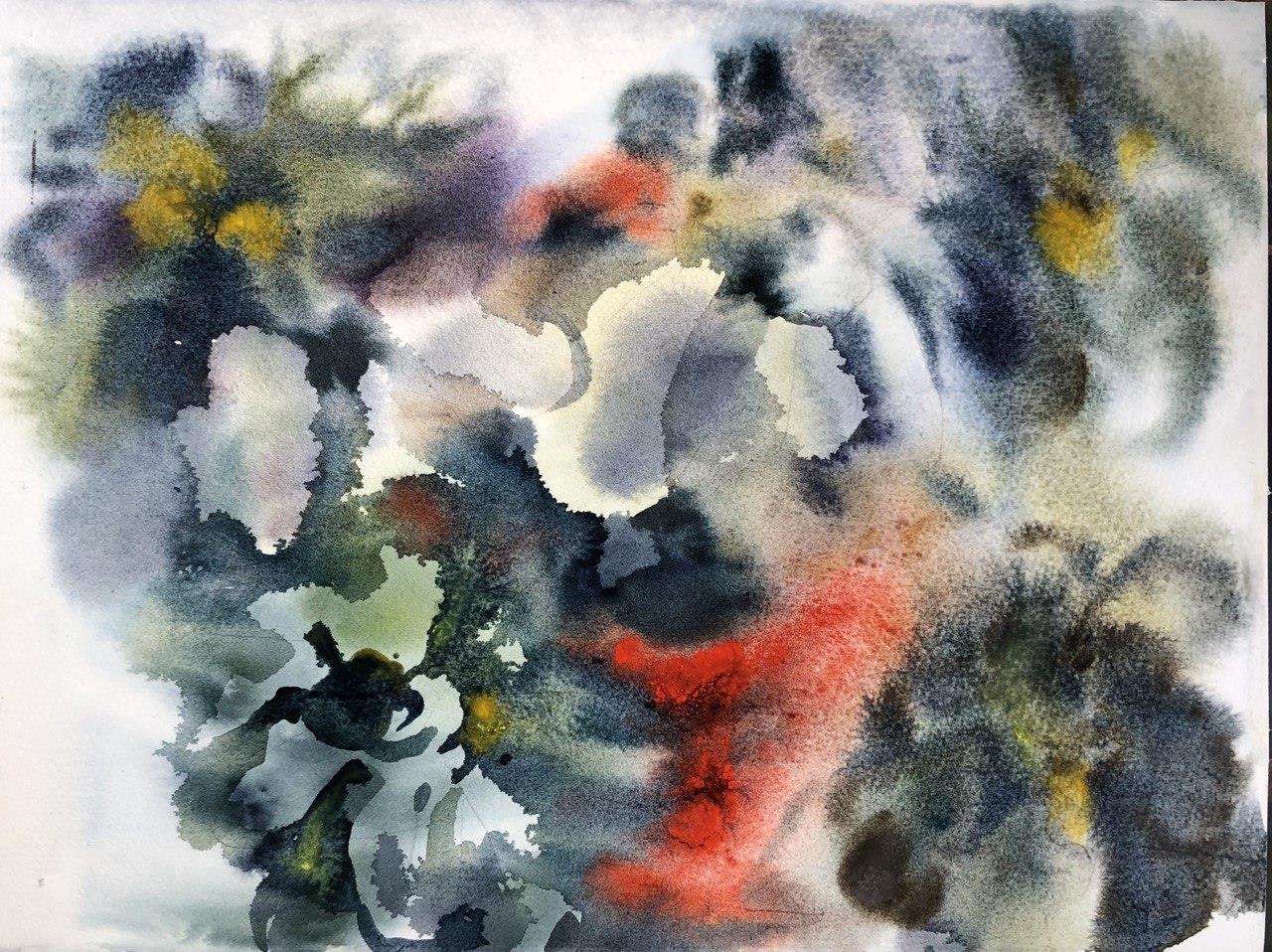
3. Which of your iconic works carries the strongest therapeutic, warm, or healing message for those who look at it?
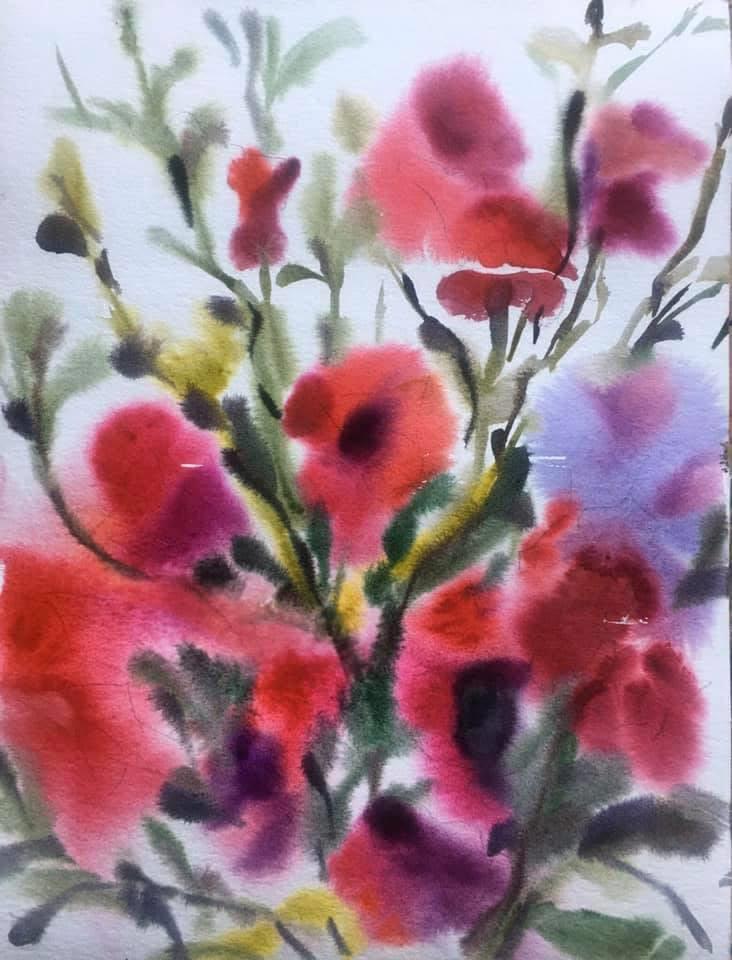
4. Show us a painting that captures a state of light sadness or that very poetic "elegy" that gave the title to your exhibition.
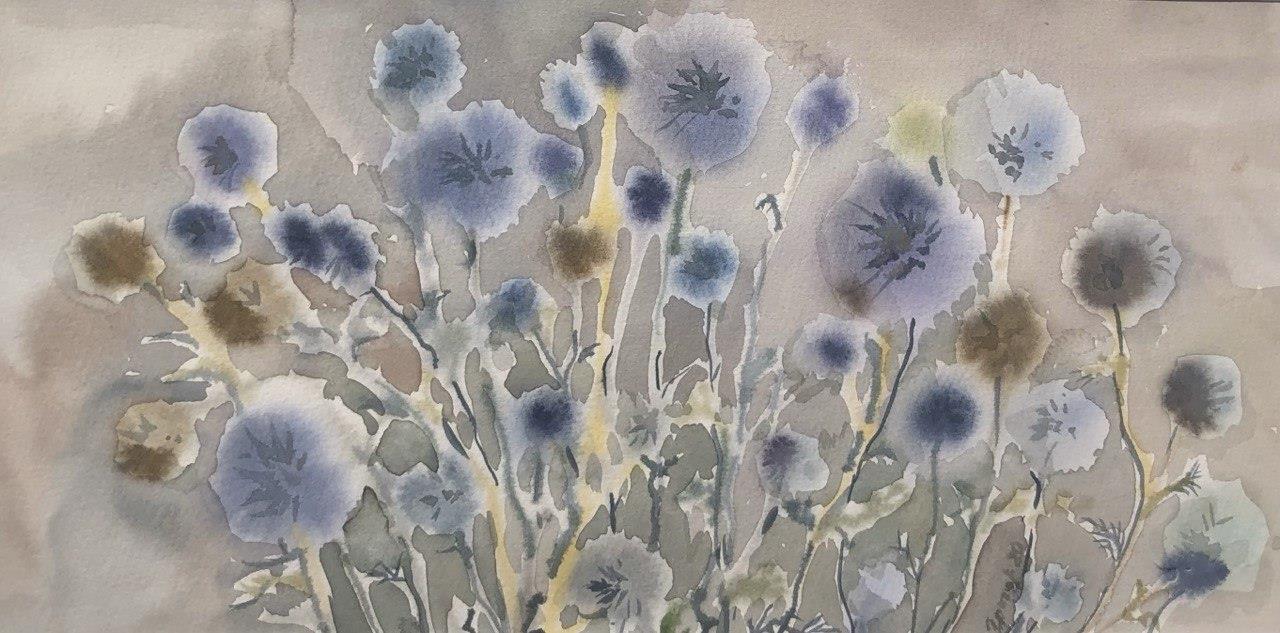
.
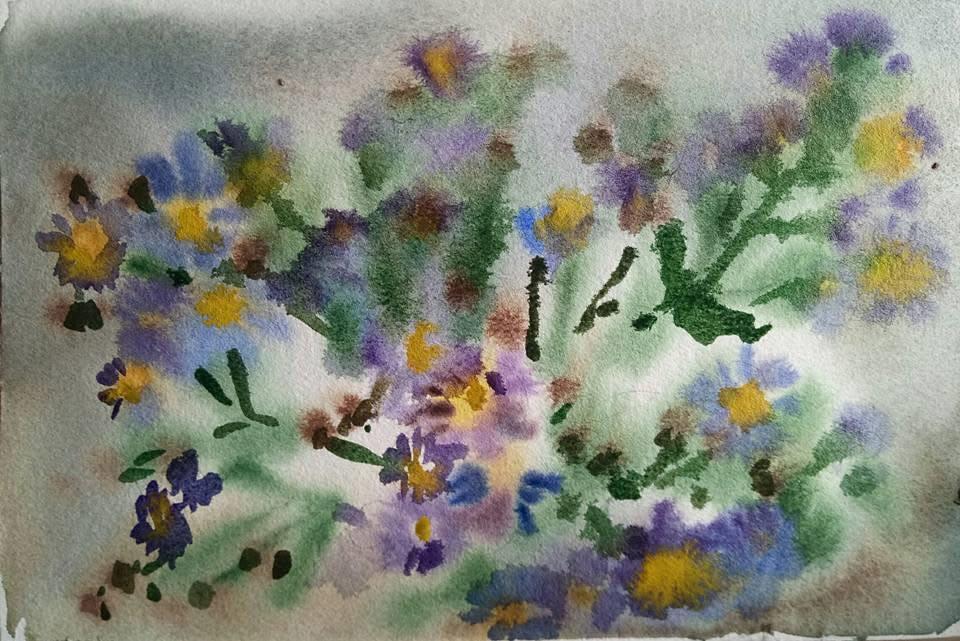
5. Which of your paintings most accurately reflects your innermost state during those moments when you are left alone with your studio?
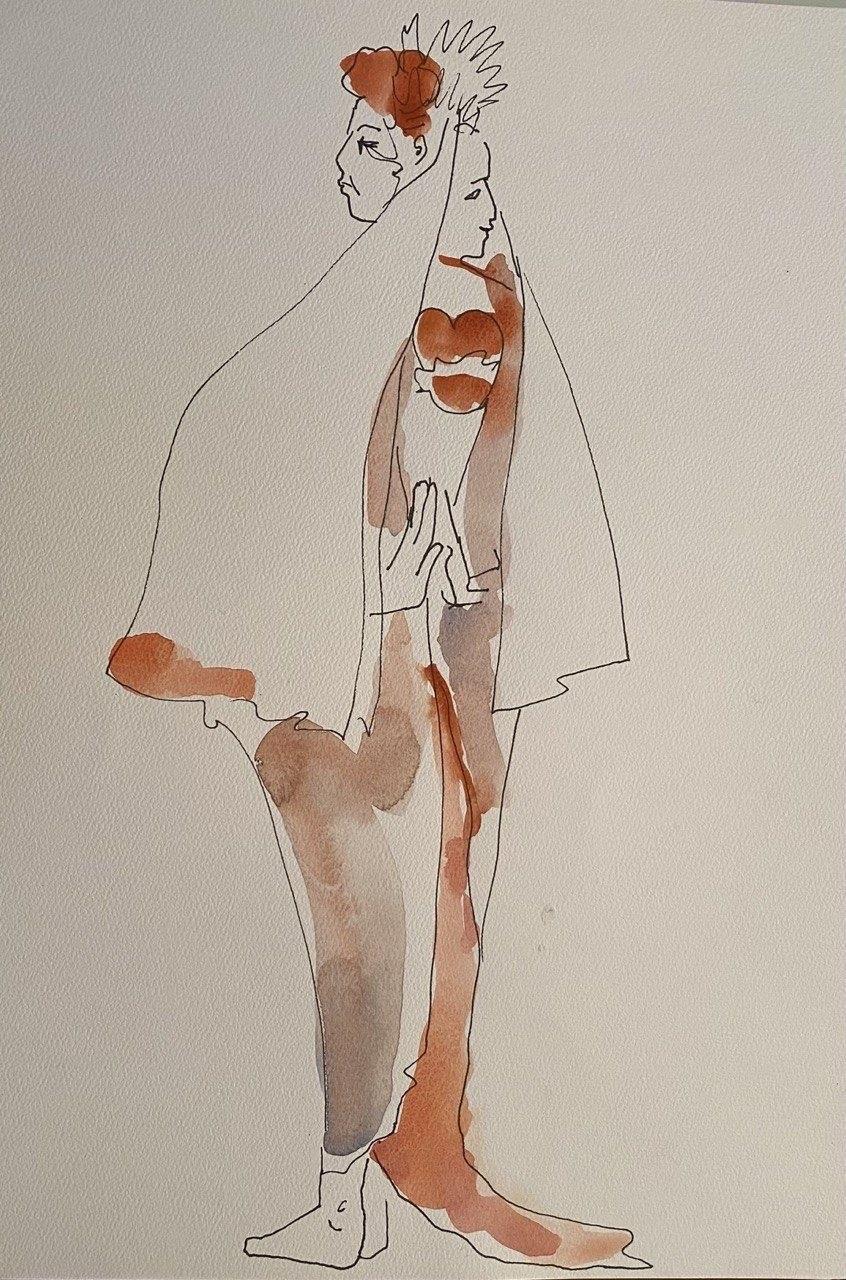
6. Show us a watercolor through whose transparent layers one can literally feel the breath of the sea breeze or the freshness of a rain-washed city.
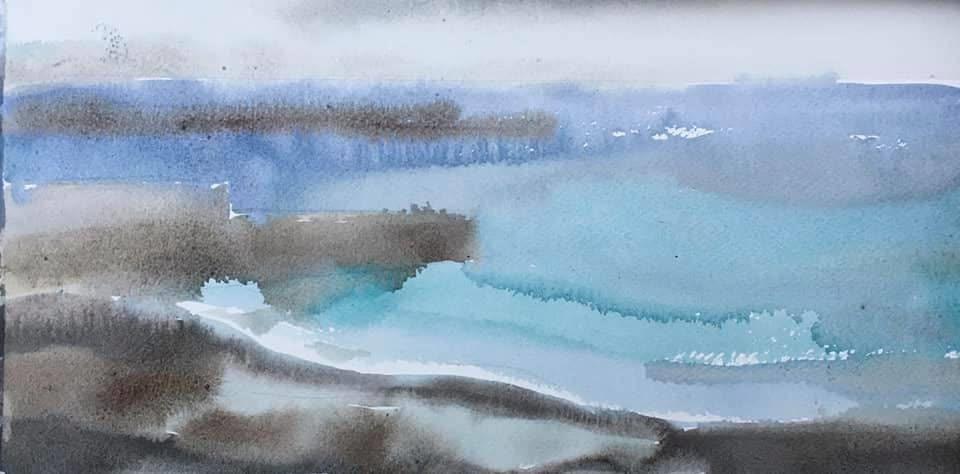
7. Which of your works keeps a personal memory of a place you want to return to again and again, even if it has changed beyond recognition in the painting?
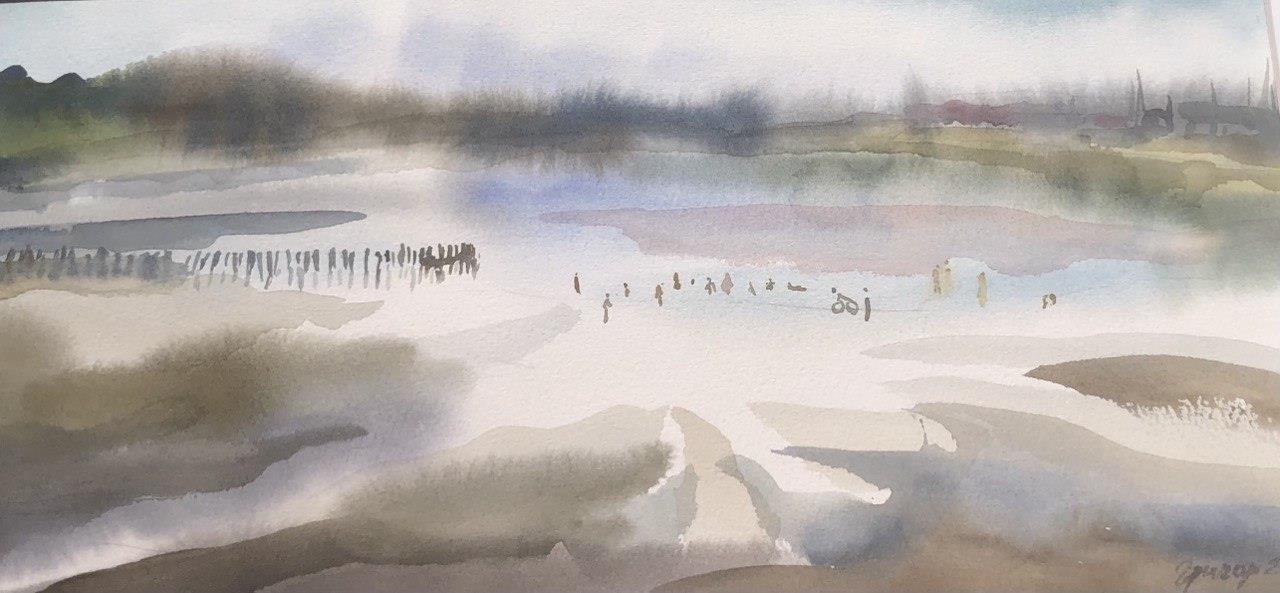
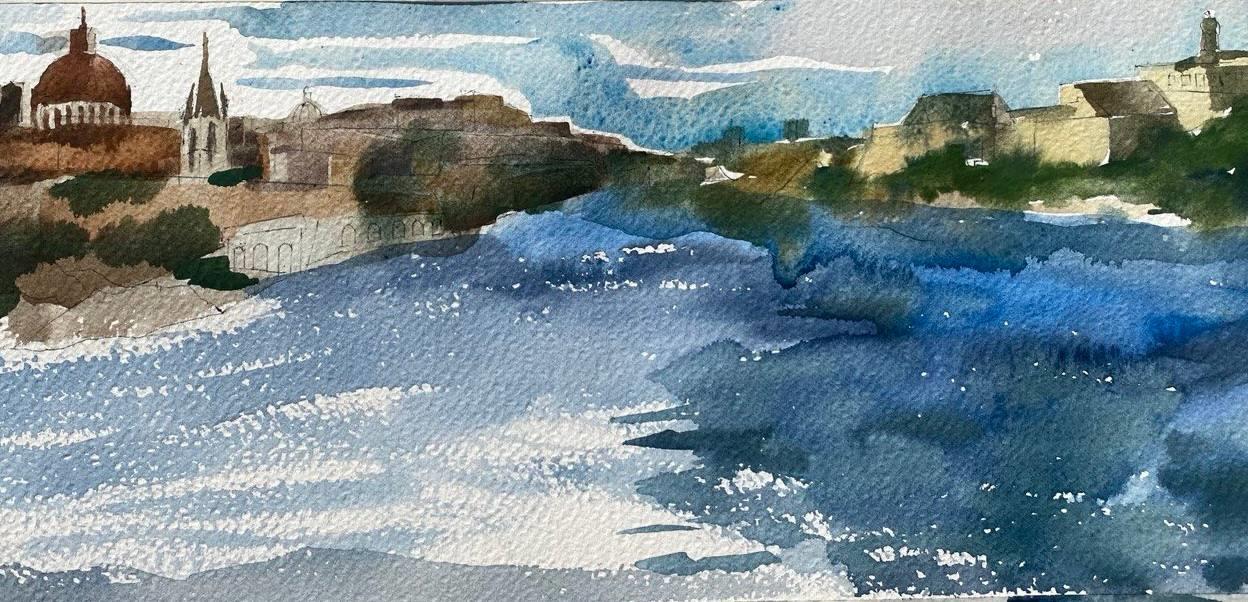
8. Show a painting that you created in a state of absolute creative flow, when the brush could barely keep up with the fleeting thought.
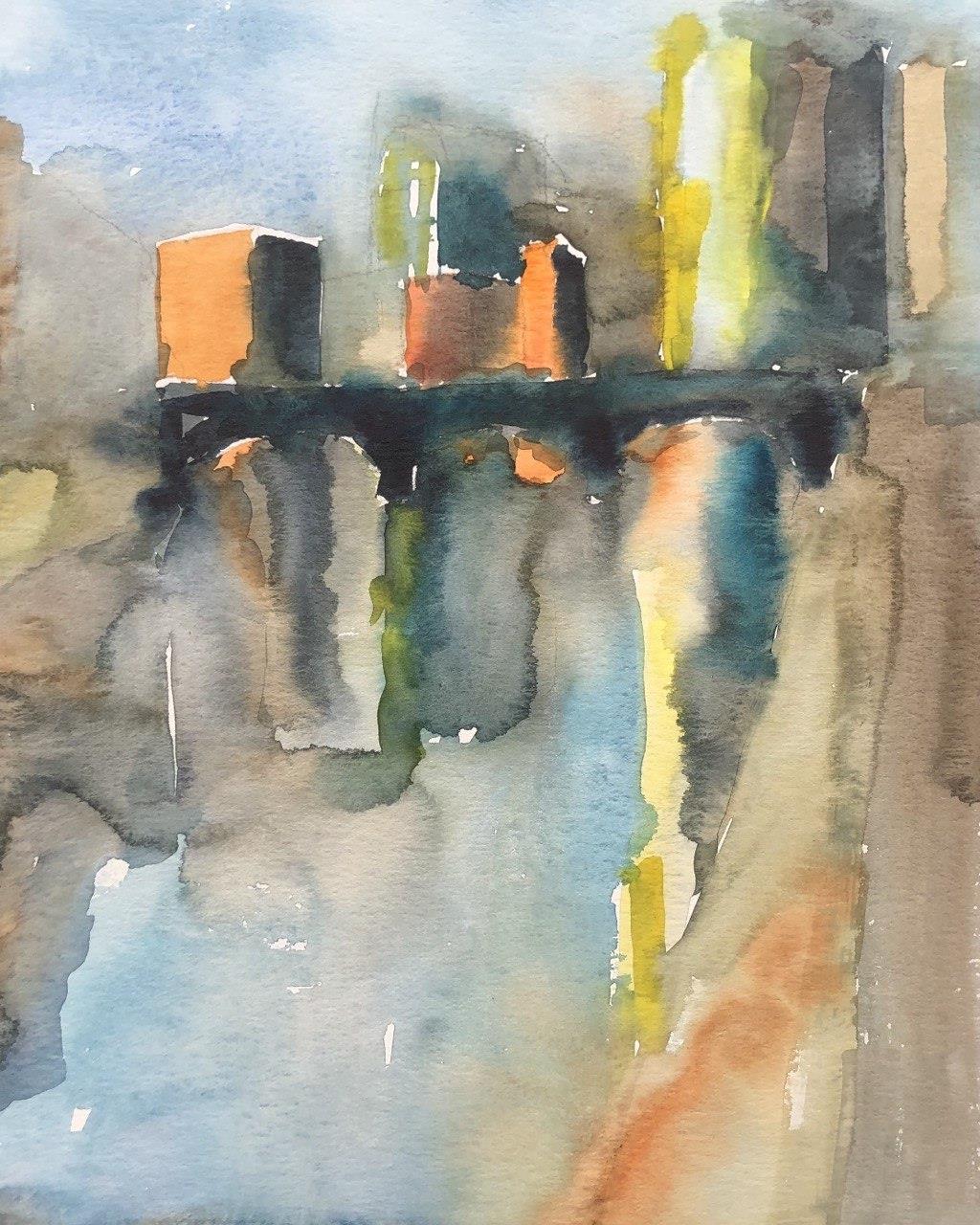
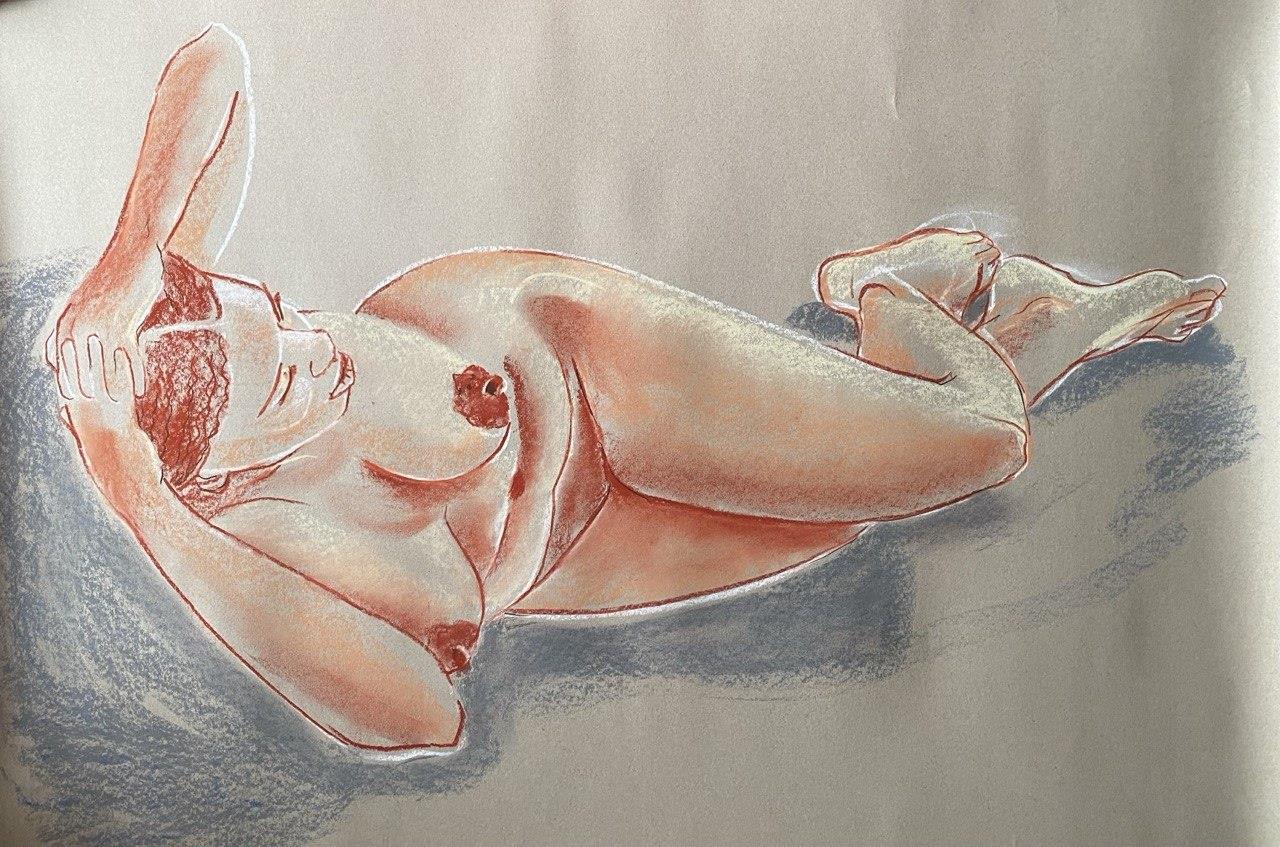
9. Show us a watercolor that involved the most daring experiments with mixing shades, paper wetness, or stroke density.
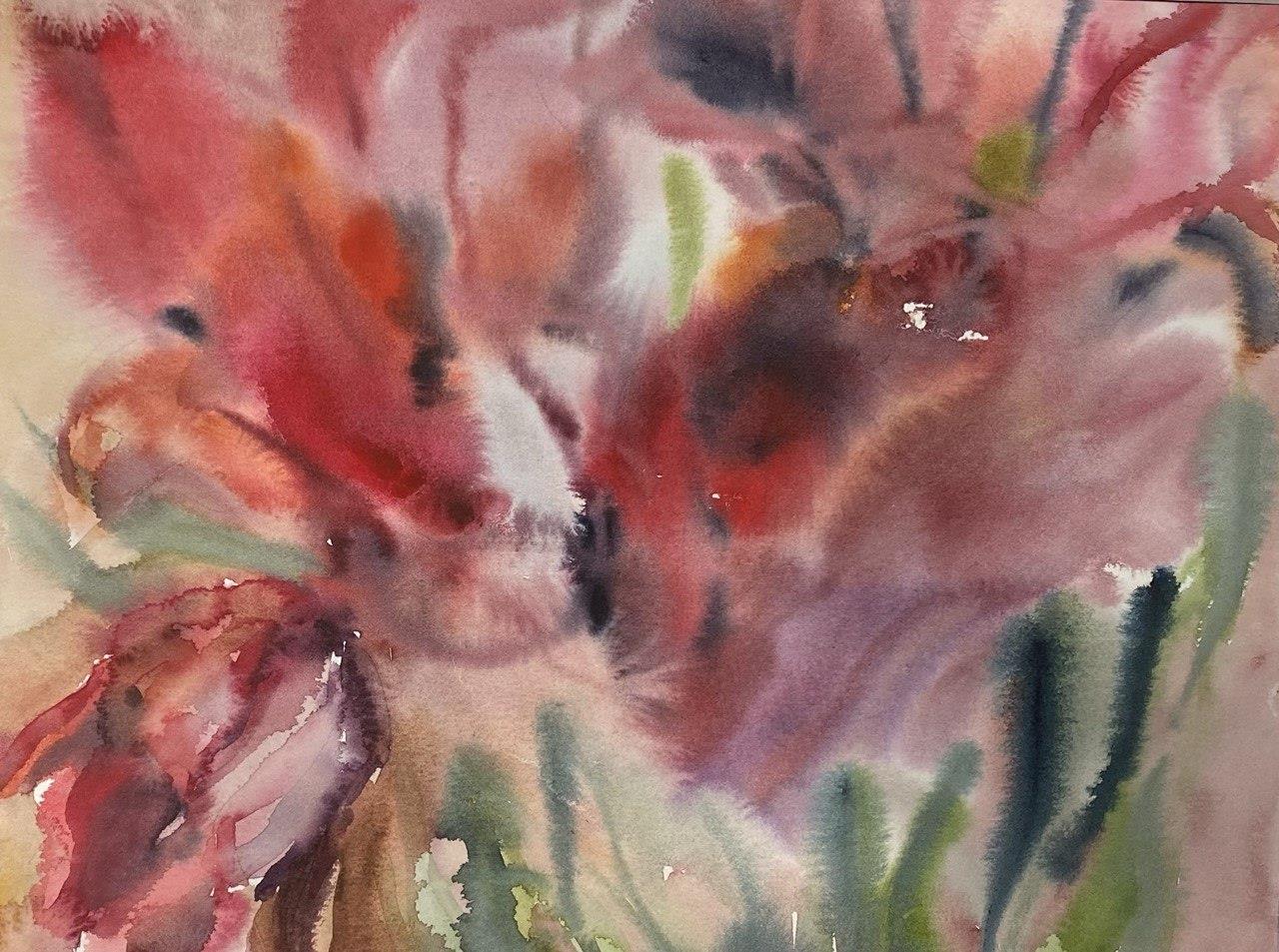
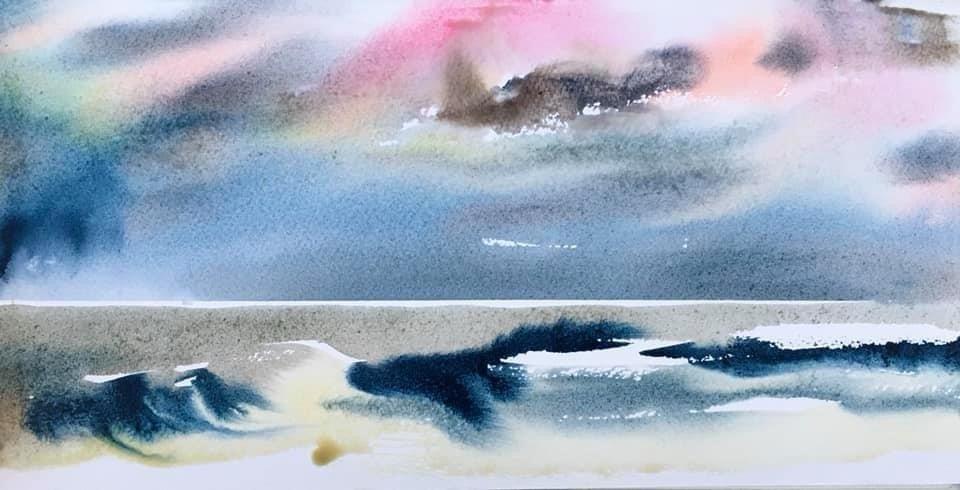
10. Which of your paintings became a kind of metaphorical self-portrait for you, reflecting not external features, but the very essence of the artist?
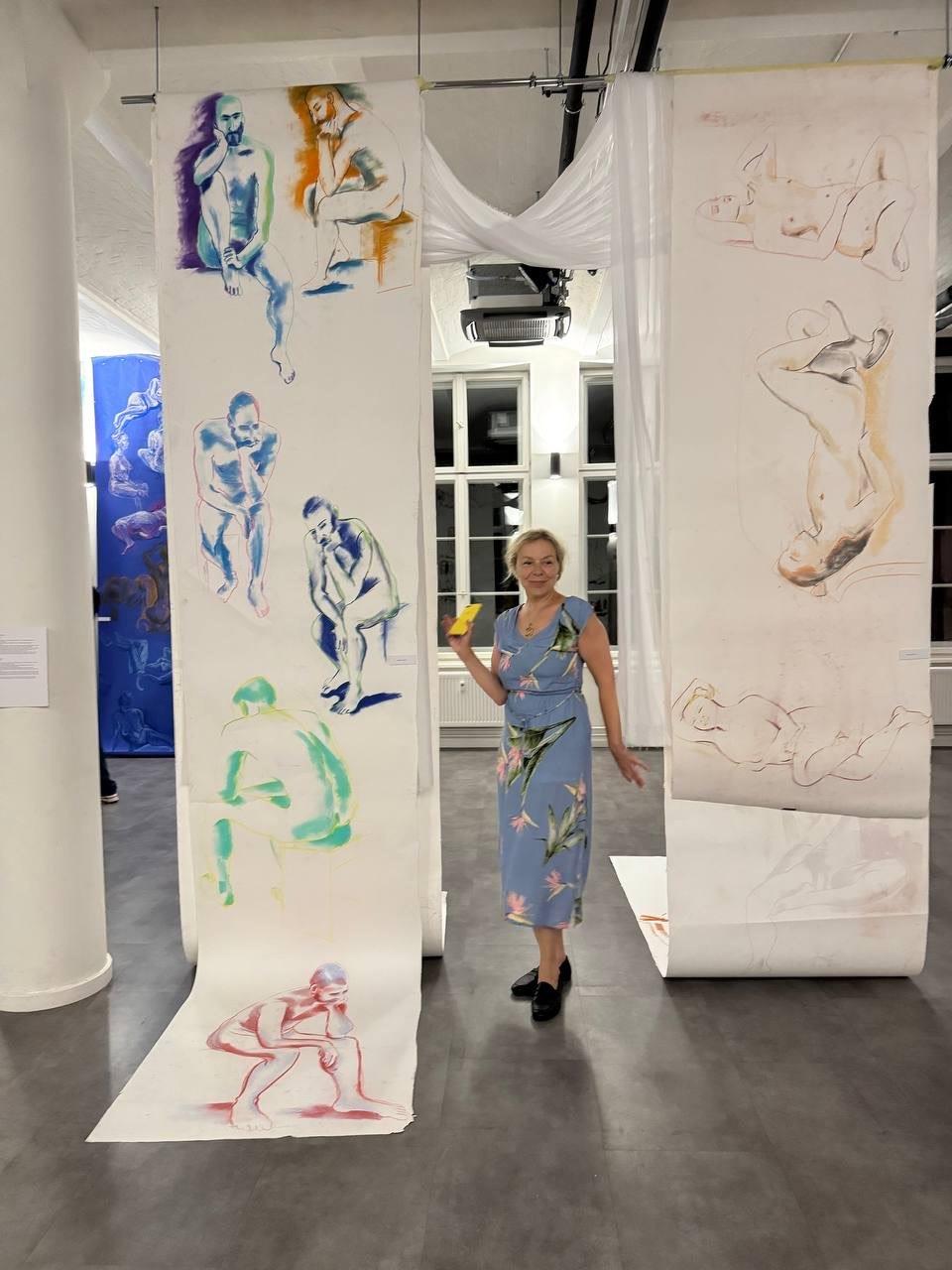
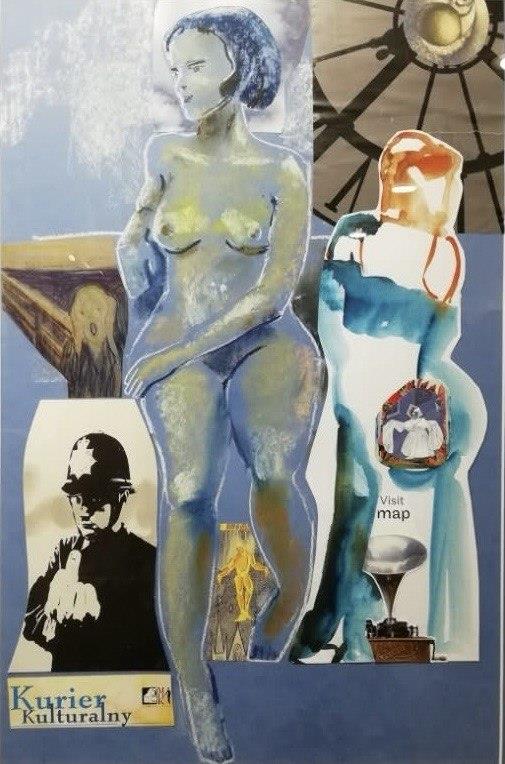
11. Show us a painting that symbolizes absolute hope, a new dawn, or the awakening of vital forces.
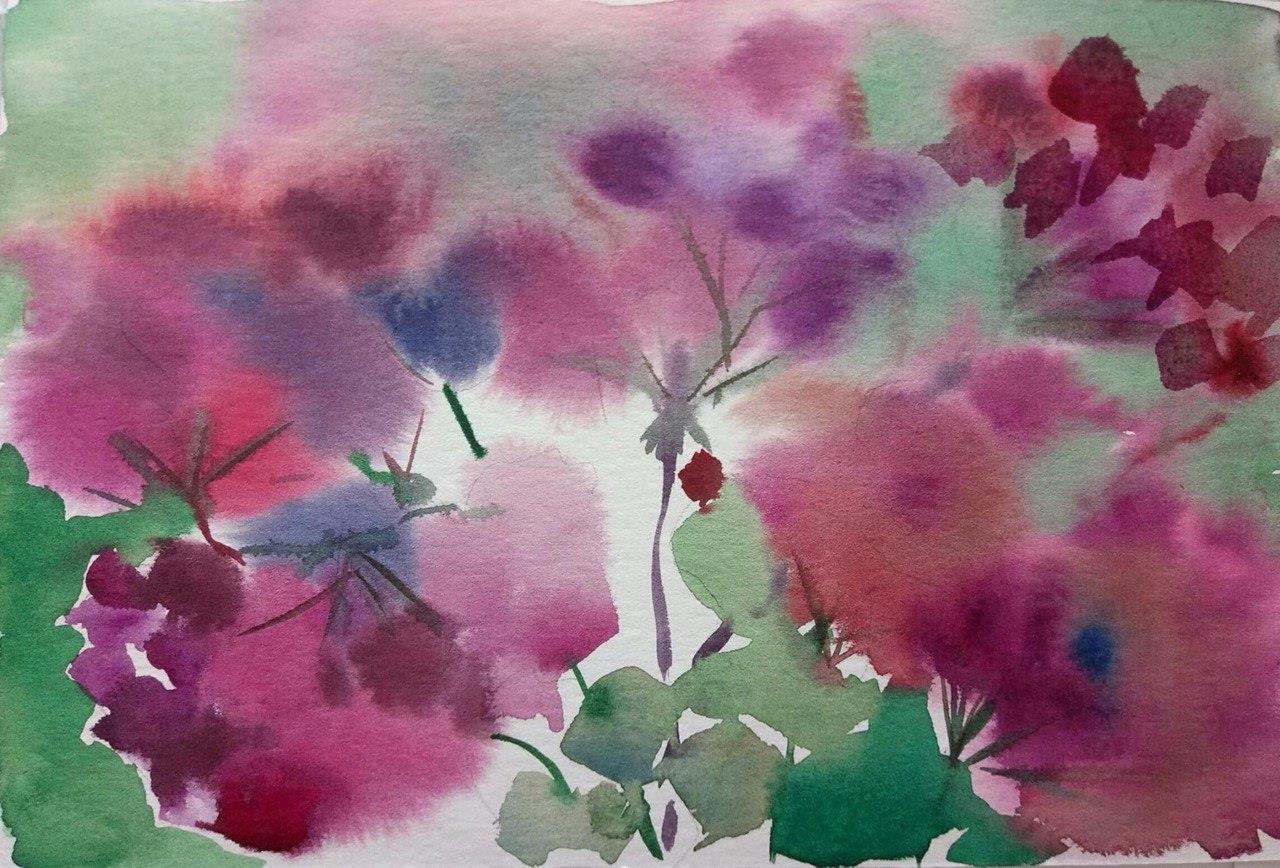
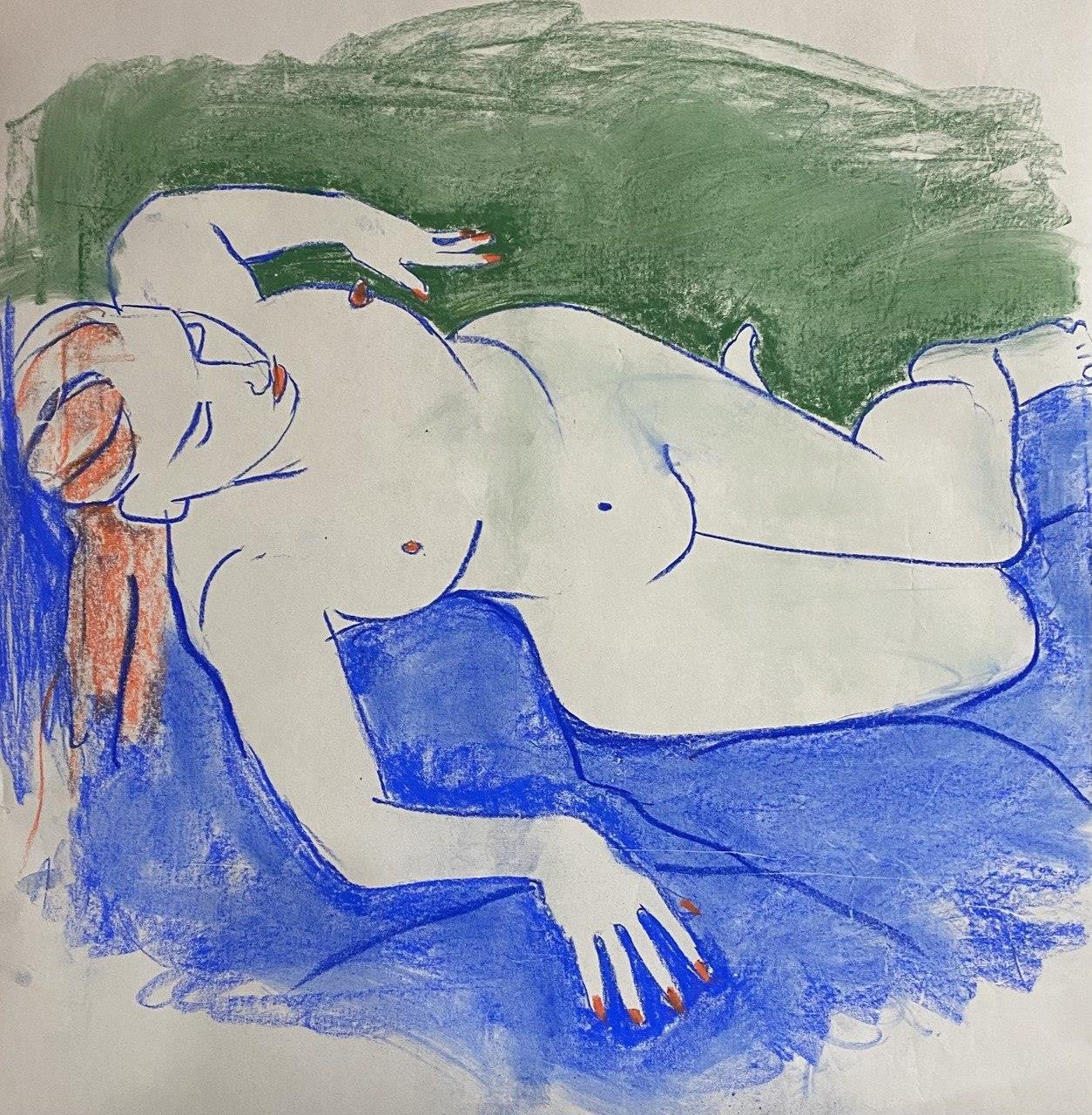
12. Show a work that best explains without words why this complex, living, and rebellious element became your main love in art.
The visualization dialogue with Svetlana Grigorieva leaves a remarkable aftertaste. Her works—whether they are semi-transparent, cool sea landscapes of Odesa, fragile and emotional flowers, or expressive portraits filled with open eroticism—prove that true art needs no translation into the language of words. It speaks directly to our feelings, exposing innermost experiences and immersing us in a state of pure creative flow.
Svetlana's creative path is a continuous movement and a bold experiment, where capricious watercolor and sensual pastel become an extension of the author's own thoughts. The exhibition "Elegy in Watercolor" at the "House with an Angel" gave viewers moments of healing silence and beauty, but the immersion into this multifaceted artistic world does not end there.
You can follow Svetlana Grigorieva's new projects on her Facebook Profile: Svetlana Grigorieva