


Why is Ukraine attacking synthetic rubber plants, and what does this have to do with fuel for Iskander missiles?
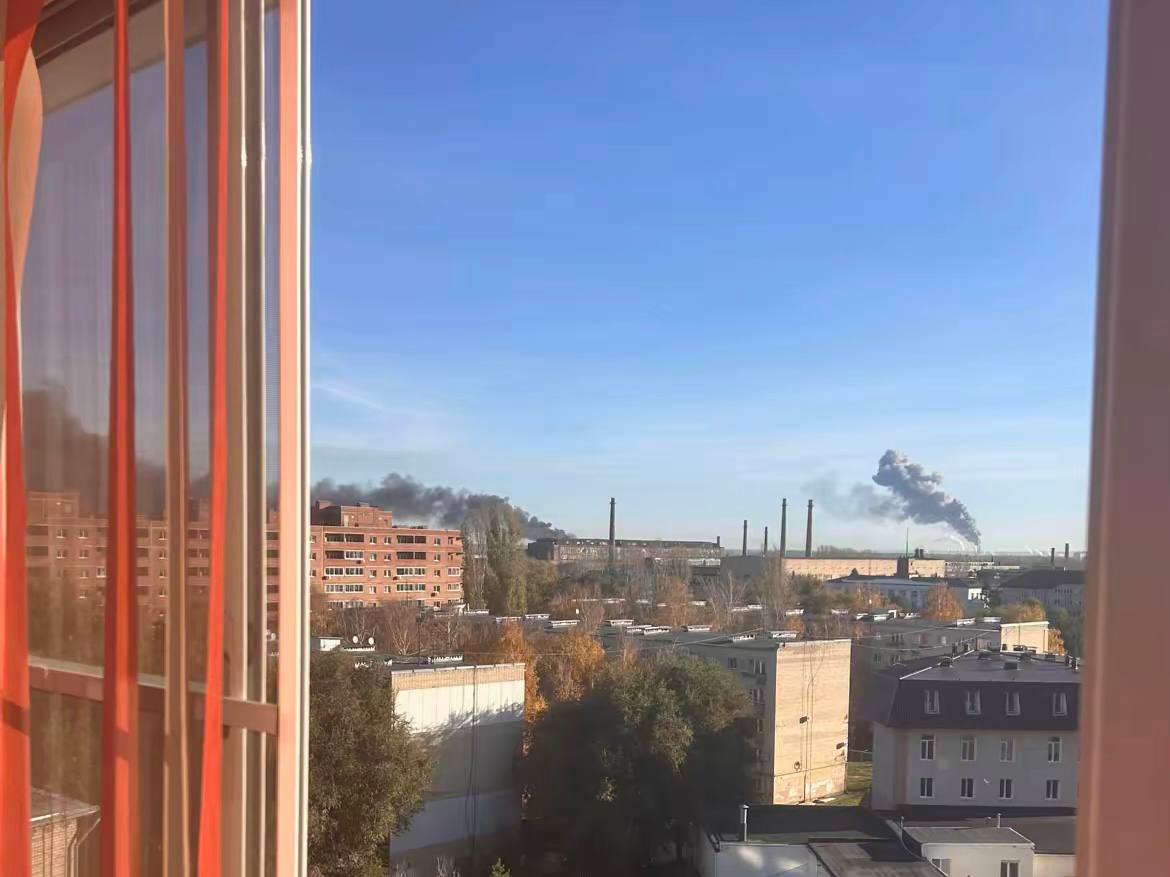
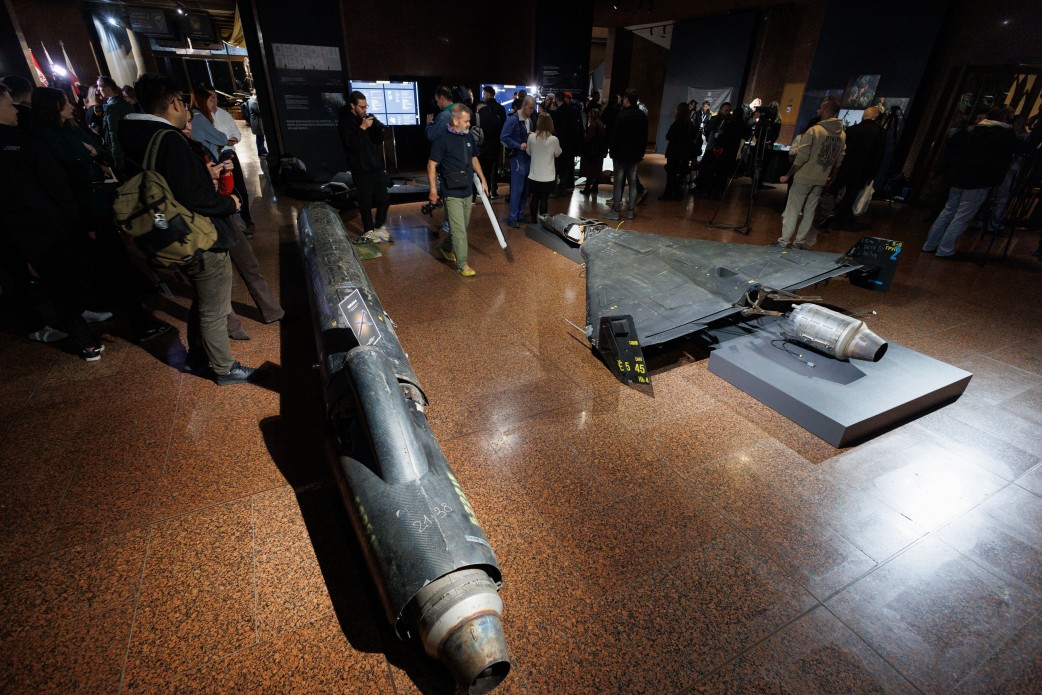
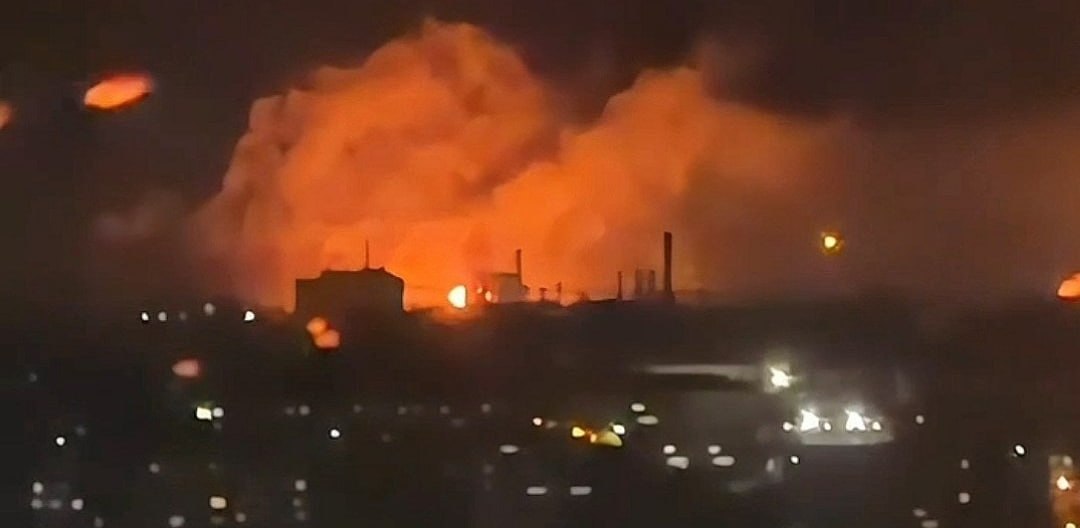
In recent days, FP-1 drones have struck three Russian synthetic rubber plants: Voronezhsintezkauchuk, Omsky Kauchuk and Togliattikauchuk.
At first glance, what does rubber have to do with the war? Has Ukraine decided to leave Russians without car tyres? In fact, the connection is far more significant: the synthetic rubber industry also produces polymers used in solid rocket propellants.
One of these is polybutadiene-acrylonitrile (often called PBAN or polybutadiene–acrylic acid–acrylonitrile terpolymer). It binds the components of rocket propellant into a single solid charge while also serving as an additional fuel. Replacing such a component is not straightforward, as it requires new formulations and extensive testing.
Importantly, Russia's Iskander-M ballistic missiles use solid-propellant rocket motors. Strikes against the synthetic rubber industry therefore target the chemical production base supporting Russia's missile manufacturing.
Togliattikauchuk holds the record for the number of strikes, having been targeted at least four times. It is followed by the Sterlitamak Petrochemical Plant, which has been attacked three times.
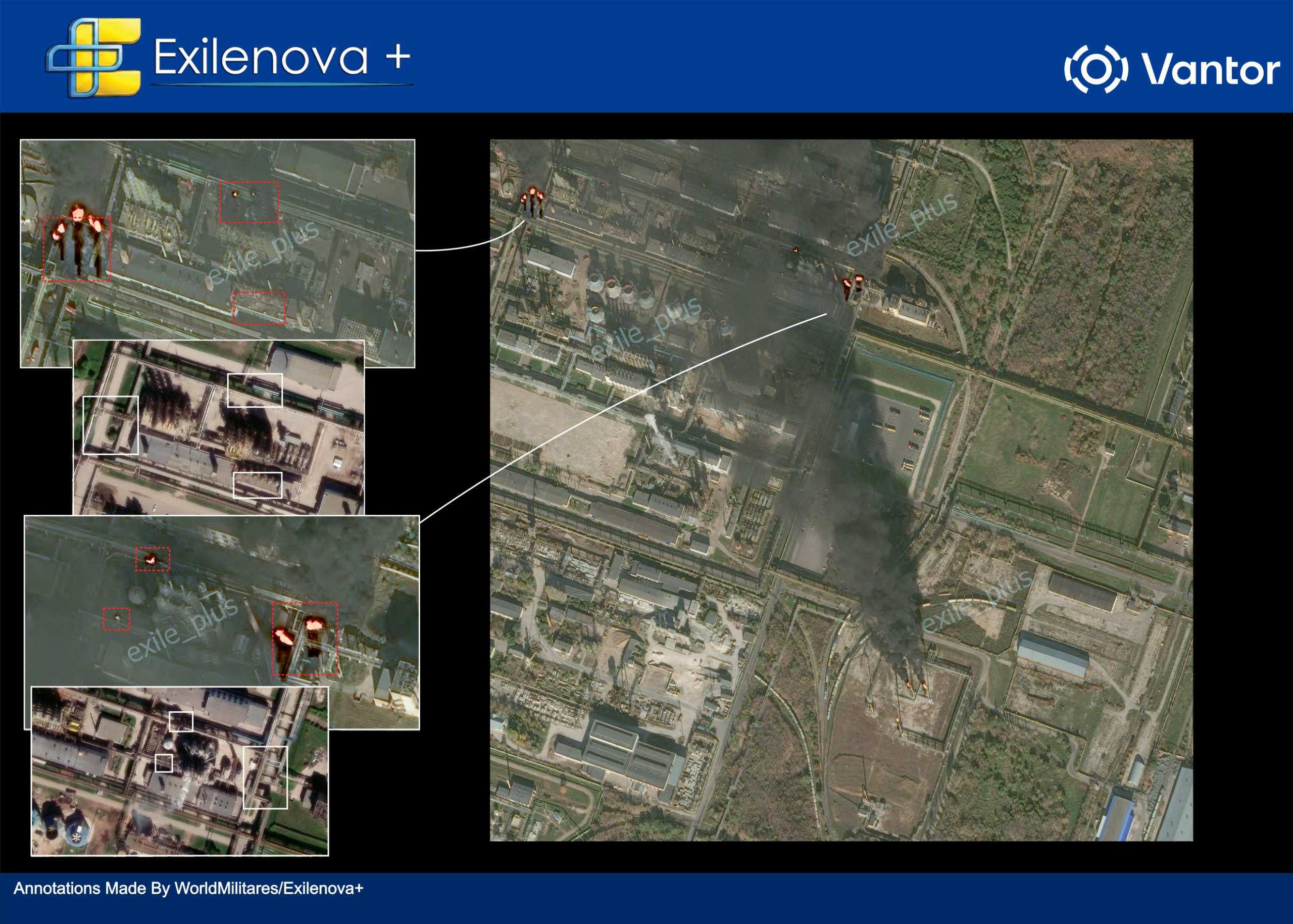
Russia has approximately 10 major synthetic rubber production facilities. As of 25 October, six of them had reportedly been hit in a total of 11 successful attacks.