


The EU and the United States have a successful track record of achieving results through joint efforts on foreign policy issues. Renewed pressure on Moscow from Washington, combined with Brussels' efforts, could therefore help bring Russian aggression to an end more quickly.
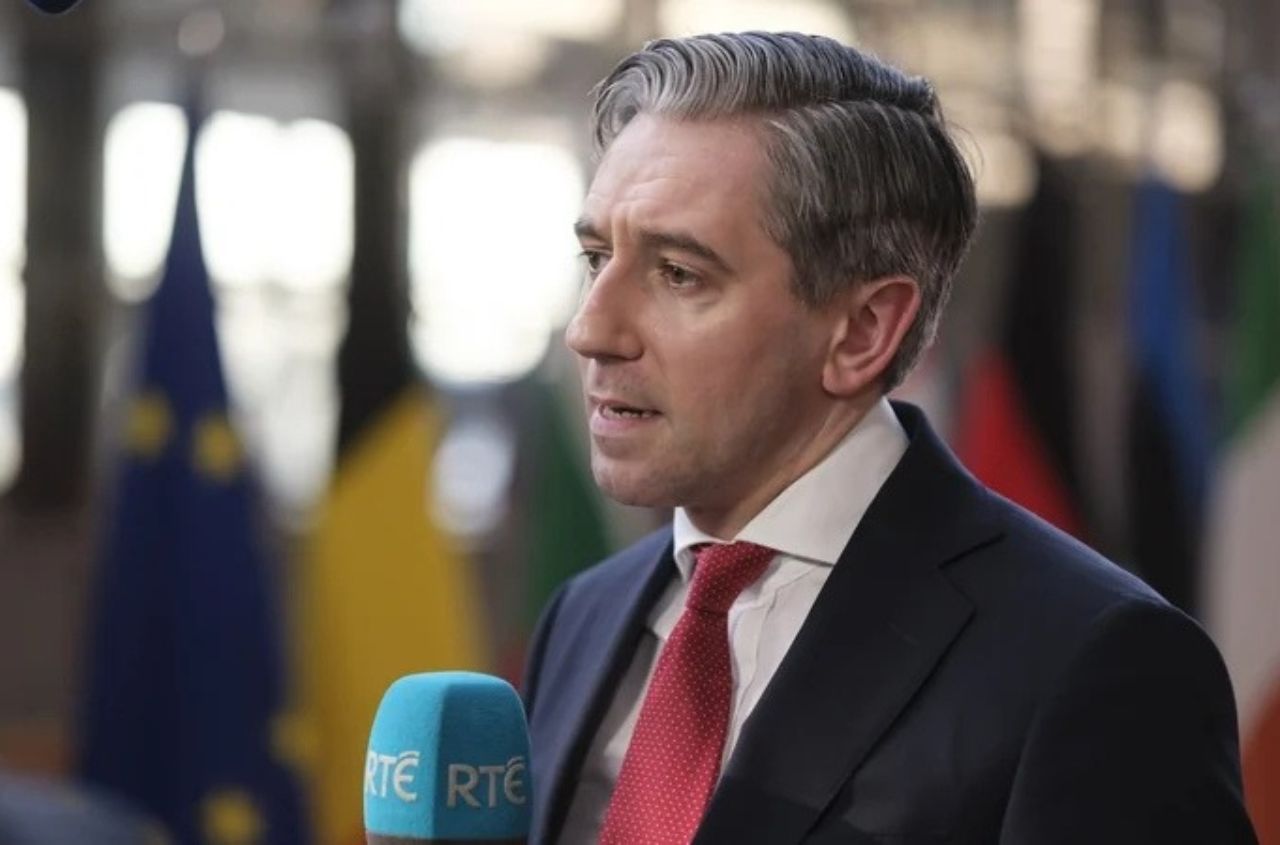
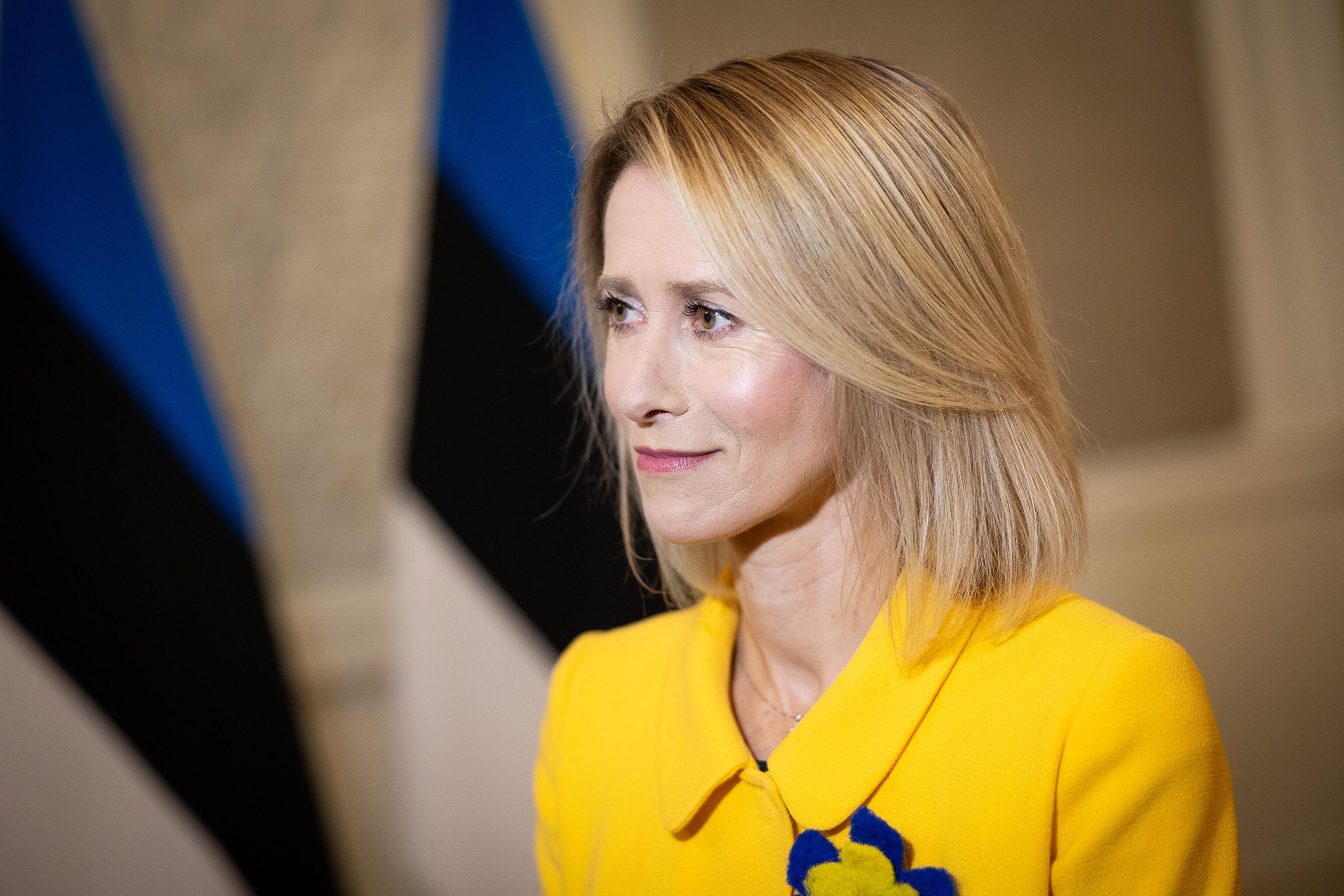
EU High Representative for Foreign Affairs and Security Policy Kaja Kallas made the statement while speaking to journalists in Paris, where G7 foreign ministers are meeting.
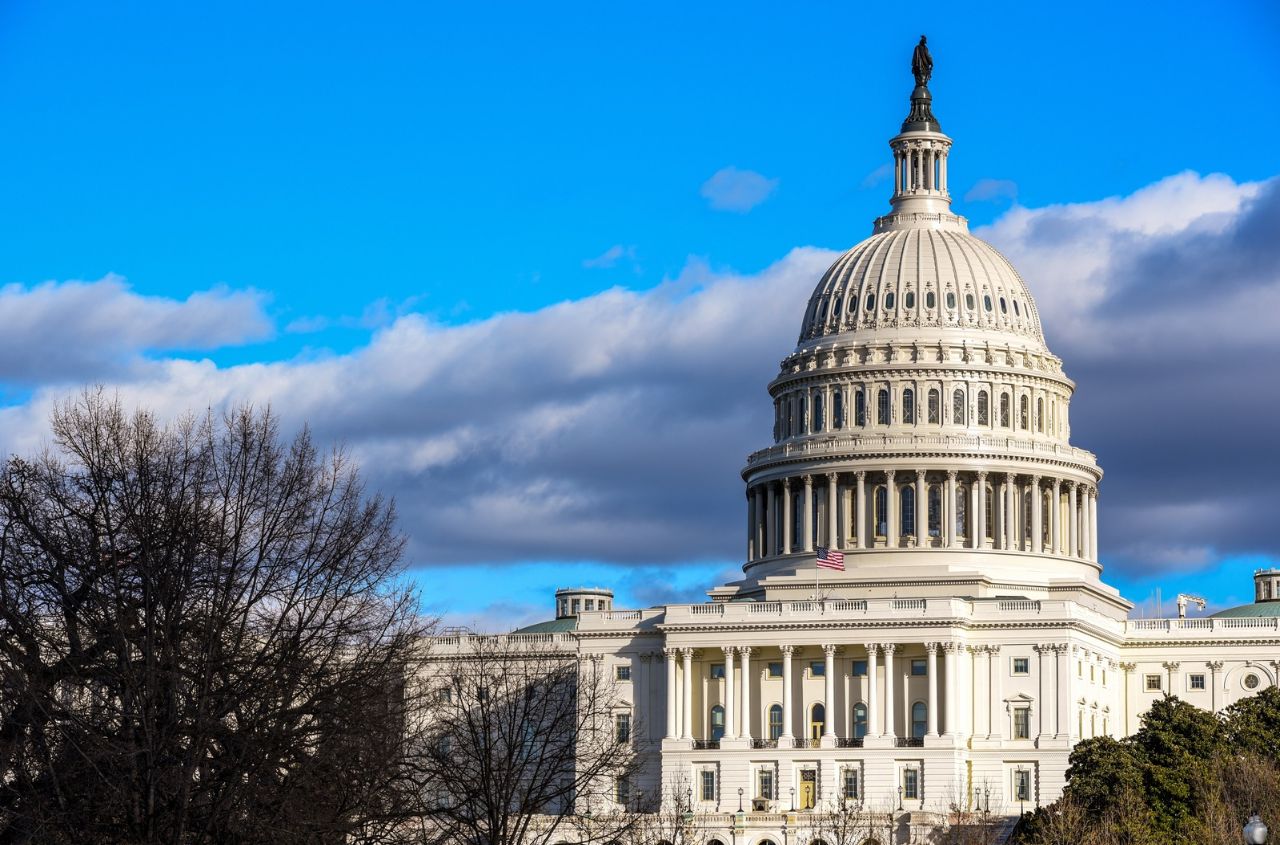
"The midterm elections demonstrated the will of the American people, and elections always bring changes in policy. We have not seen that yet, as it is still too early," she said.
Kallas added that the EU was ready to cooperate with any composition of the US Congress or administration, focusing on areas where both sides could act together.
"We have been effective in the past when we worked in the same direction," Kallas emphasised.
Asked whether she expected increased assistance to Ukraine if Democrats controlled Congress, Kallas replied:
"Such decisions are the prerogative of the US Congress. We hope to see pressure on Russia from the American side as well. So far, we have been helping Ukraine and putting pressure on Russia, but if the United States joined these efforts with its sanctions, the impact would be much stronger. This could help us end the war, because wars end when aggressors run out of money."
Speaking about the first day of the G7 foreign ministers' meeting in Paris, Kallas said participants had already held "substantive discussions" on international crises. They also discussed new joint measures aimed at preventing future crises, de-escalating existing conflicts and reducing tensions.
The ministers also met with the new head of the World Food Programme.
"He stressed the need to establish clear red lines: food must not be used as a weapon, humanitarian workers must not be attacked, and famine must be prevented. He pointed out that attacks on humanitarian workers have increased and attributed this to a lack of accountability," Kallas said.
She also highlighted the importance of the International Criminal Court (ICC) in this context, acknowledging disagreements with "certain G7 countries regarding the ICC" — a reference to criticism of the court by the US administration.
The ministers also discussed challenges related to artificial intelligence and cyberspace, particularly in light of a recent series of cyberattacks across Europe.
"We must respond to this using all the means at our disposal," Kallas stressed.