


Countries with leverage over Moscow, particularly China and India, should use their influence to bring Russia to the negotiating table, while Europe should do more to explain the consequences of the war for the global economy to its international partners.
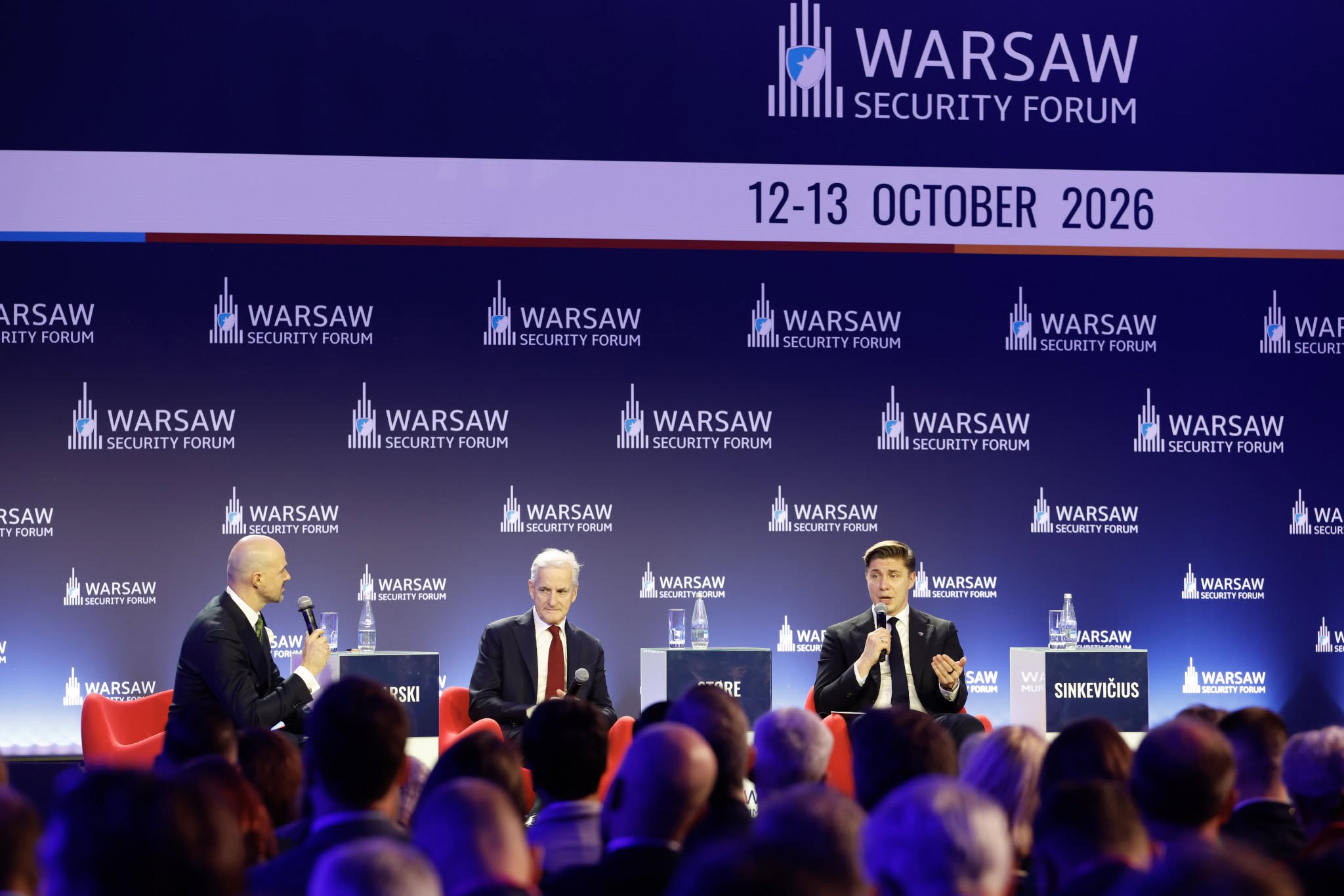
Norwegian Prime Minister Jonas Gahr Støre made the statement during the Warsaw Security Forum.
"I believe that those who may have leverage, such as China, India and certain countries of the Global South, should use that leverage to the fullest extent. Our role is to explain to countries outside Europe how this war affects the global economy as a whole," Støre said.
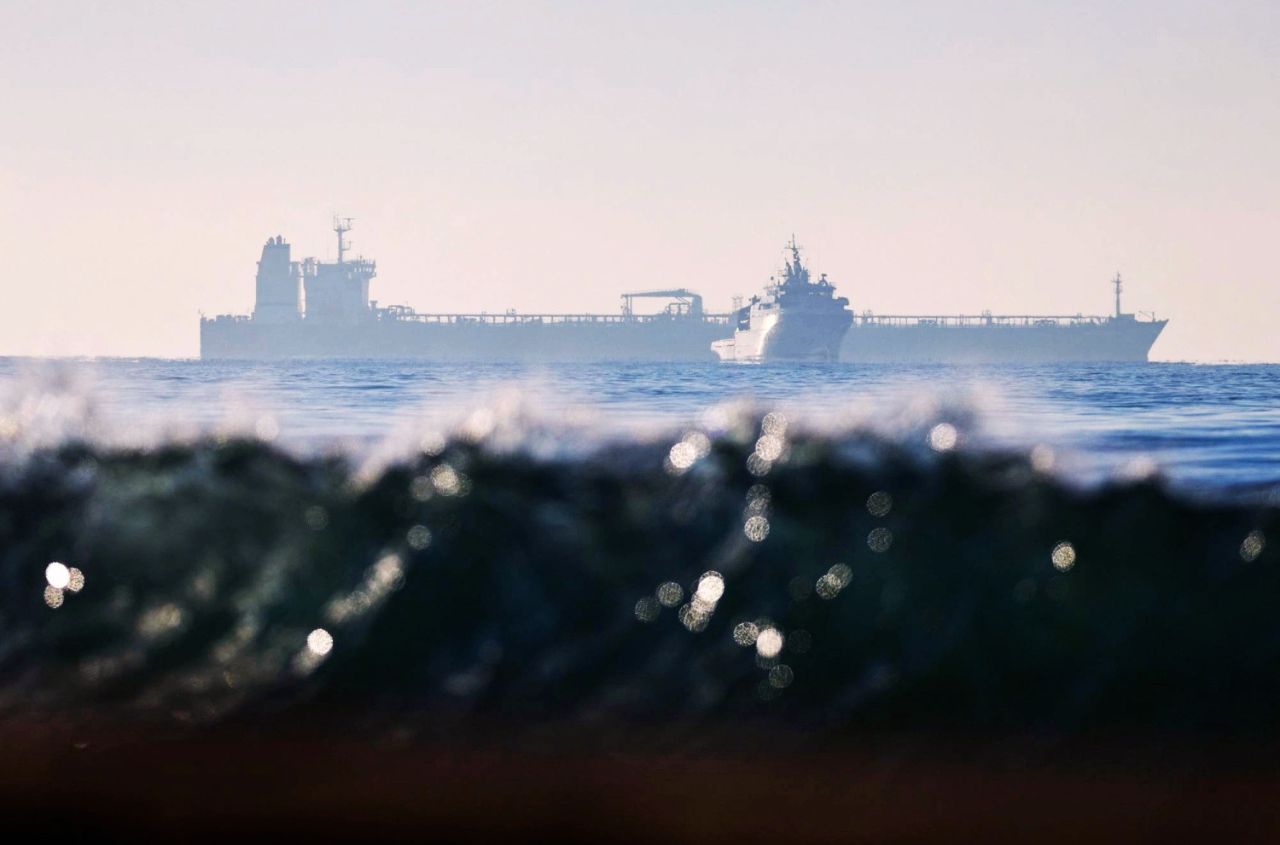
The Norwegian prime minister stressed the importance of discussing the consequences of disruptions to grain exports through the Black Sea.
"We need to talk to countries of the Global South — Brazil, India, China and South Africa — and explain how all of this is connected. It should also be in their own interests to become involved," he said.
Asked what Europe could do to make Moscow feel the consequences of its actions, Støre called for continued support for Ukraine, which is facing serious financial difficulties, and for the provision of additional air defence capabilities.
"We can continue supporting Ukraine, which is currently facing serious financial difficulties. It needs to defend its airspace. We must work to provide everything we can in terms of interceptor missiles. Norway's commitment for next year amounts to almost €8 billion. This is the second consecutive year at that level, and we will maintain it," he said.
Støre emphasised that supporting Ukraine should become a responsibility shared by all European countries and highlighted the European Union's role in Ukraine's integration.
"Support for Ukraine is now becoming increasingly concentrated in Northern Europe. We need to make it a Europe-wide effort so that it sends a European signal," the prime minister said.
He also noted that 70% of Norway's assistance package is allocated to defence. At the same time, he said, Ukraine's partners must work together to address the urgent challenges of financing the Ukrainian state budget.
"Europe must collectively decide how to support Ukraine's ability to defend itself by providing air defence systems and other material capabilities. But now we must also act together financially. We need to use every channel of communication, including with the IMF and financial institutions," Støre stressed.
The Norwegian prime minister also urged European countries to begin considering the continent's future security arrangements after the war ends, noting that Russia will remain Europe's neighbour and that conditions must be established to ensure the security of both large and small states.