


The Odesa – UNESCO City of Literature Office continues to build bridges between UNESCO Cities of Literature and Odessa, fostering dialogue, exchange, and shared literary experience across cultures.
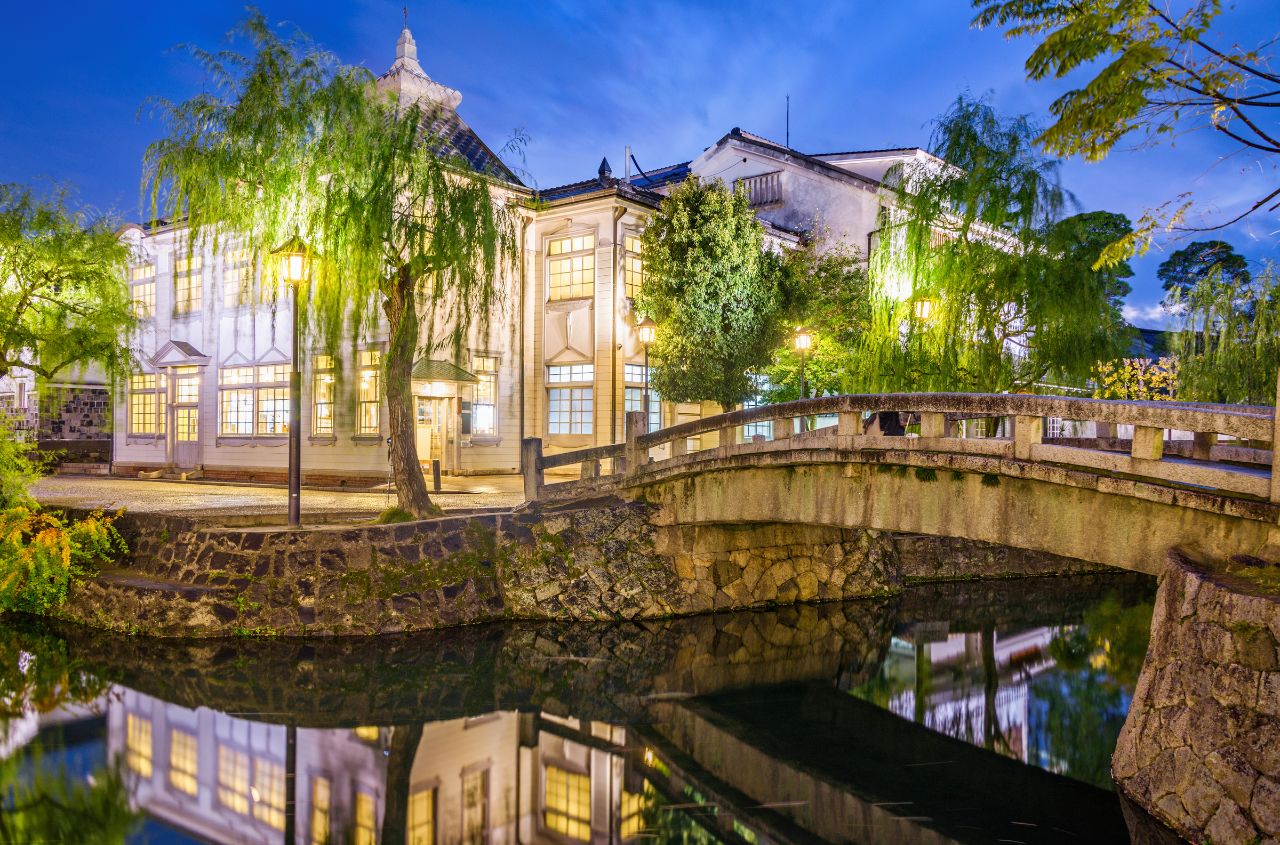
The latest installment focuses on Okayama, Japan, and introduces Ms. Rie Muranaka — a Japanese children’s writer and curator of the collaboration project with the MISONO Kodomo-no-Ie children’s home, where she works closely with children’s creative writing practices through the yomuhumu initiative.
In Okayama, literature is understood as something that extends beyond the page. It becomes a space for listening, healing, and shared attention. Within this approach, a collaborative initiative was launched three years ago between the city administration, welfare institutions, and academic partners: the yomuhumu project.
At the MISONO Kodomo-no-Ie children’s home, children who cannot live with their families due to difficult circumstances are invited to engage with stories and to express their inner world through language. Writing poetry is one of the ways they explore their feelings, imagination, and sense of self.
The poems presented in this project were written by elementary school children living at the home. Imagining places they have never seen, they transform simple impressions into poetic images that are at once fragile and striking. Each poem holds a moment of perception — a voice, a rhythm, a glimpse of thought — that feels both fleeting and deeply present. Even in their simplicity, these texts reflect the wholeness of a child’s inner world and the sincerity of their gaze.
The project does not aim to teach children how to write “good” poetry in a formal sense. Instead, it creates a space where words can be discovered as a form of support — where expression becomes a way of understanding oneself and connecting with others.
Yayoi — a 1st-grade student
Going Out with My Friends
When I want to look nice,
I put on cute clothes—
ones with hearts, or bunnies, or stars.
The heart on the clothes
jumps out and hops along with the bunny.
And then, I put on makeup.
My nails—
not pink, but red.
I wear my boots, too.
Brown boots.
A–nd—
“Good morning.”
I say it, just like anyone would.
Commentary by Rie Muranaka (the coordinator of the project):
This poem was written by Yayoi, a first grader. She came to the room wearing her usual pink-and-white pajamas, her small feet swinging above the floor as she spoke.
While imagining cute clothes with hearts, bunnies, and stars, she described them with a quiet excitement that seemed to shimmer around her. When she said, “Not pink, but red,” and showed her tiny fingertips, her face grew dreamy with delight. It was a gentle reminder of how children begin to choose things for themselves, one color at a time.
Later, when she added, “I’ll say ‘Good morning,’ just like anyone would,” she brushed her hair lightly to the side and reached for a clean sheet of paper to “sign.” Her gesture made me wonder who she imagined greeting so naturally.
As she created the poem, it felt as though her sense of time shifted softly—from the nighttime room she was sitting in to a bright morning she could almost step into. She moves between those moments with ease, as children often do. At first glance, the poem seems to be about enjoying dressing up. But it also shows the small excitement of imagining how she might appear in the world—through clothes, colors, and a simple morning greeting.
The choices she names carry a hopeful lightness, like the early steps of growing up. In her playful lines, a gentle anticipation shines: a sense of looking ahead, quietly and with joy.