

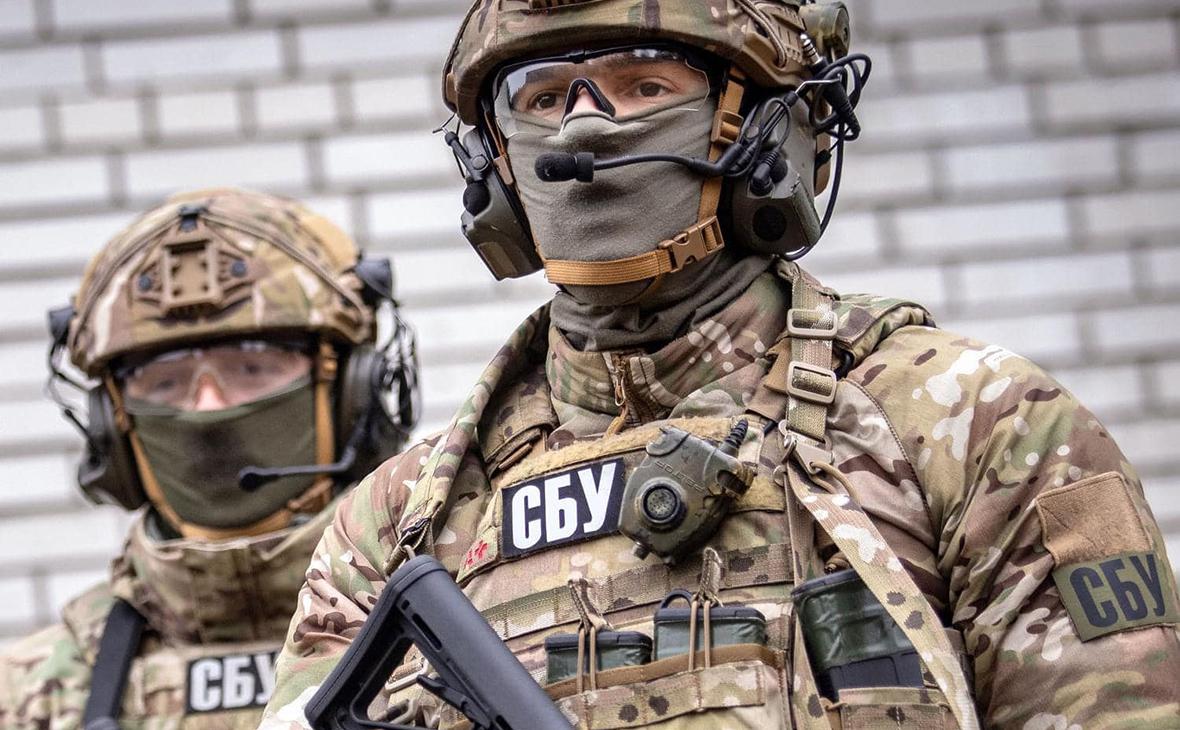

The Security Service of Ukraine counterintelligence, with the assistance of the Prosecutor General, prevented a Russian intelligence agent from infiltrating one of Ukraine’s government structures. The agent attempted to organize unofficial negotiations between representatives of Ukrainian and Russian intelligence services regarding the terms of a so-called peace agreement.
It was established that the agent coordinated his proposals directly with the leadership of Russian military intelligence (the GRU) and intended to impose them on the Ukrainian side in the interests of the Kremlin.
One of the collaborator’s demands was his appointment to a senior position that would allow him to make decisions beneficial to Russia in the energy sector, as well as identify vulnerabilities and protection measures for Ukraine’s critical infrastructure. The Russian forces could have used this information to inflict maximum damage on Ukraine.
To achieve this goal, the "mole" — an energy sector expert with experience working at specialized enterprises — used his connections to promote his own candidacy for key positions in Ukrainian energy companies.
SSU counterintelligence acted proactively, documented the agent’s crimes, and detained him while he was attempting to secure employment in one of the relevant structures.
The investigation found that the suspect had come to the attention of Russian intelligence services even before the start of the full-scale invasion. Investigators documented that he was prepared to provide his own apartment in Kyiv for the needs of Russian intelligence services in case of the capture of Kyiv.
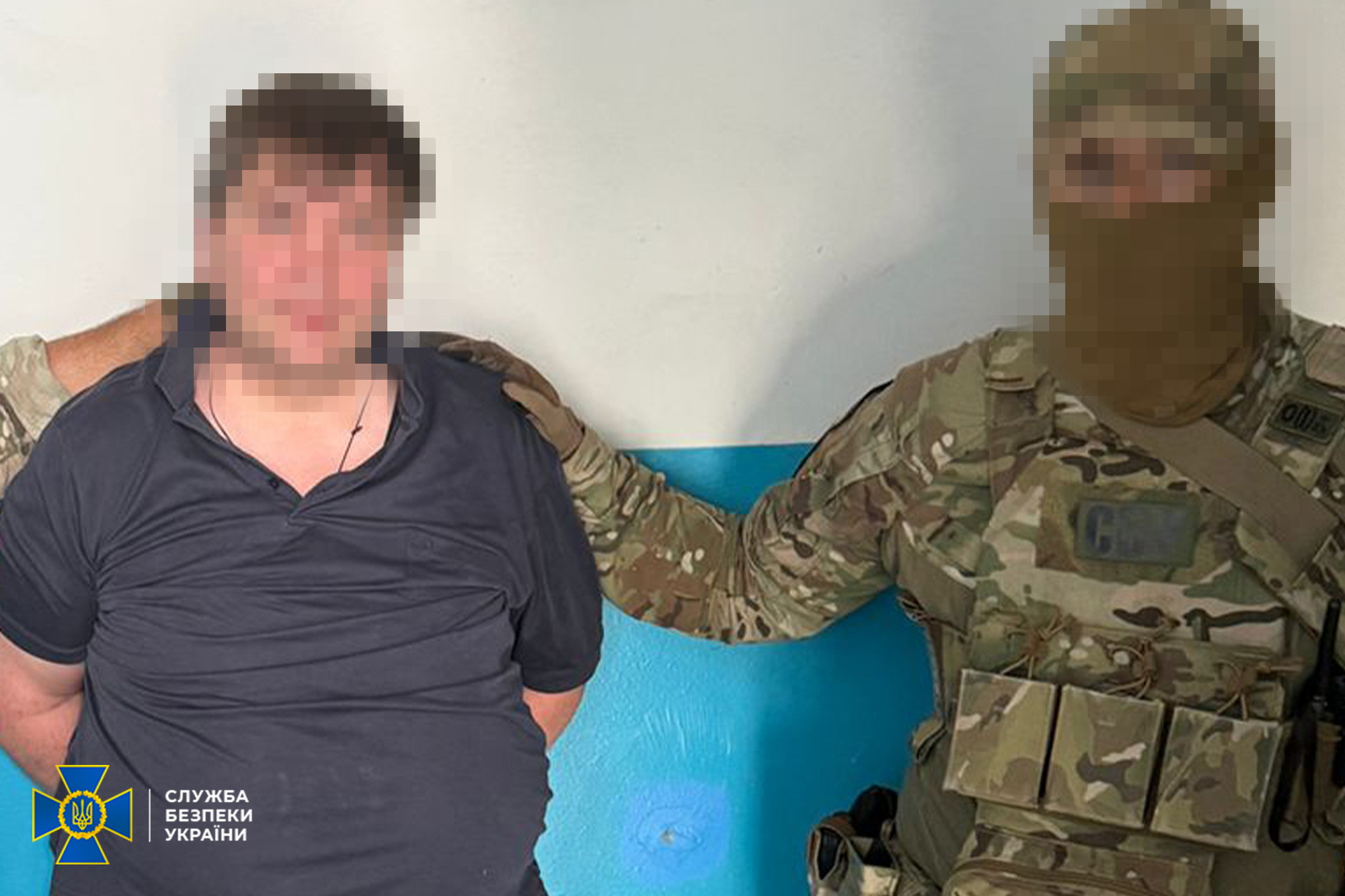
The agent’s intelligence and subversive activities were coordinated by Rinat Amirov, an officer of the 9th Directorate of the Department of Operational Information of the 5th Service of the Russian Federal Security Service (FSB).
According to case materials, the suspect passed information to his Russian handler about criminal proceedings in Ukraine’s energy sector, which he obtained through his contacts among law enforcement officials.
The Russian intelligence service’s goal was to carry out information sabotage aimed at discrediting the then leadership of the energy sector, as well as removing them and subsequently appointing the Russian agent in their place.
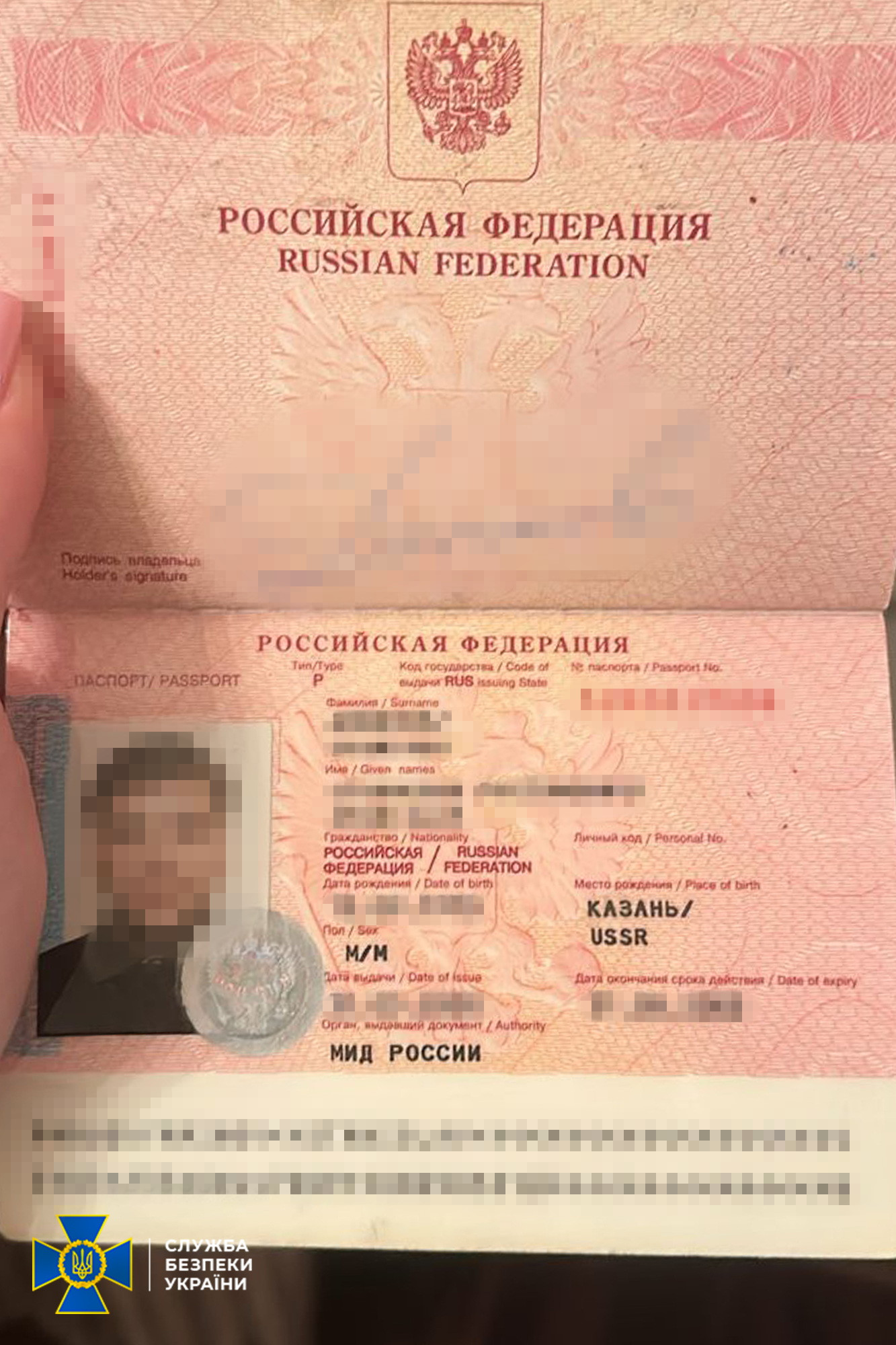
Later, the agent began working for the military intelligence service of the aggressor state. His GRU handler was Aslanbek Aktemirov. During searches, investigators found a Russian passport and a mobile phone containing evidence of cooperation with the Russian forces.
SSU investigators charged him with suspicion under Part 1 of Article 111 of the Criminal Code of Ukraine (high treason). The suspect remains in custody without the right to bail. He faces up to 15 years in prison with confiscation of property.