


Russian authorities have committed war crimes by deliberately directing attacks against civilian objects, as well as crimes against humanity in the form of other inhumane acts through sustained attacks on Ukraine's energy infrastructure, according to a new report submitted to the UN General Assembly by the Independent International Commission of Inquiry on Ukraine.
The Commission also concluded that Russian authorities had recruited men who were victims of human trafficking in various countries into their armed forces, in violation of international human rights law.
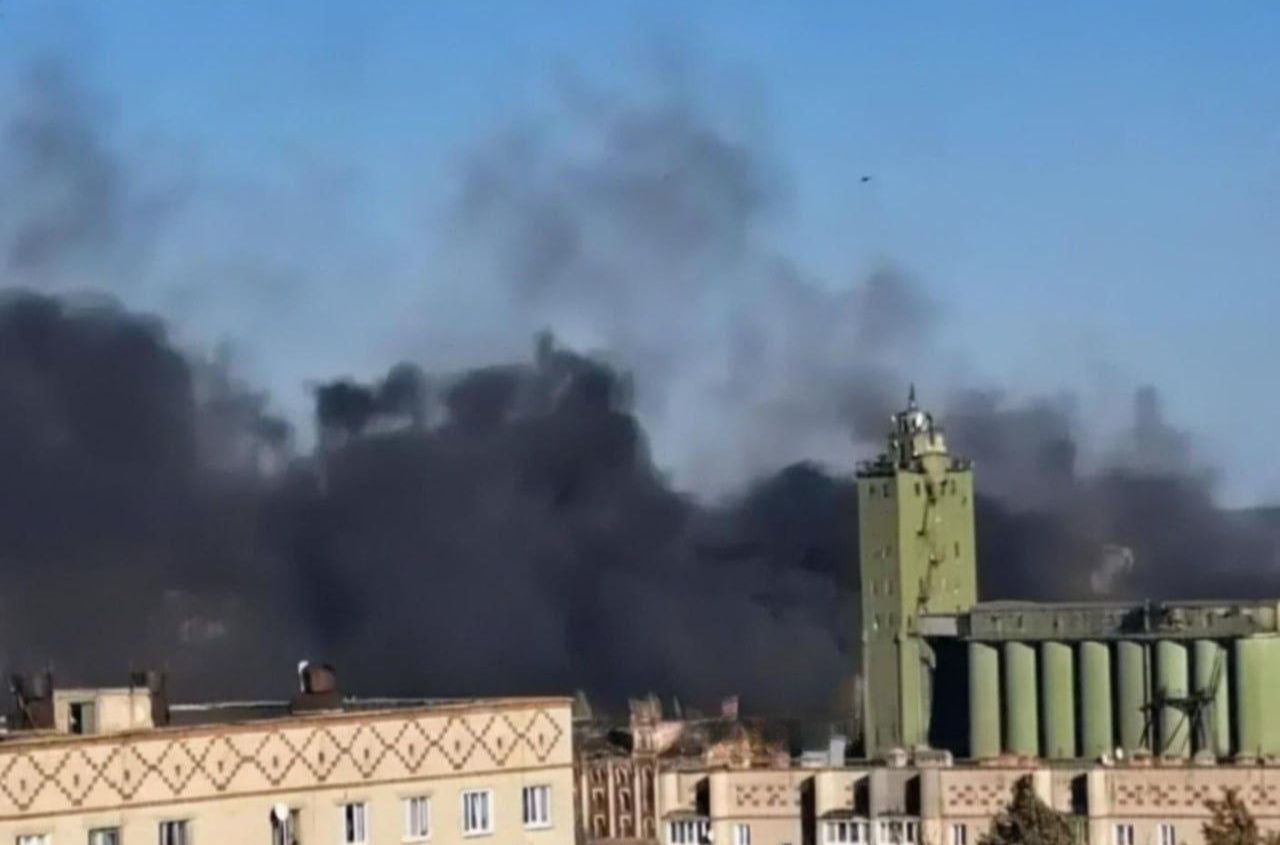
The Commission investigated the impact on civilians of large-scale attacks by Russian armed forces against Ukraine's energy infrastructure, particularly during the harsh winter of 2025–2026, as well as the cumulative consequences of these attacks since autumn 2022. Over the years, systematic waves of attacks involving hundreds of drones and missiles launched simultaneously became increasingly frequent and intense, affecting ever larger areas and causing extensive damage to Ukraine's energy sector.
The Commission stressed that last winter, when temperatures fell to −21°C, millions of people in Ukraine experienced prolonged disruptions to heating, electricity, water and gas supplies, forcing them to live in unbearable conditions.
"As winter approaches, attacks have intensified once again, raising serious concerns about the threats to the lives and health of civilians," said Erik Møse, Chair of the Commission.
Prolonged exposure to cold, lack of access to essential utilities and the constant need to find ways to survive had a significant impact on the physical and mental health of civilians, the Commission added.
Older people and those with reduced mobility were particularly affected. Because of the risk of becoming trapped in lifts during sudden power cuts, they were unable to reach shelters during air raid alerts and were forced to remain in unheated homes without electricity or water, with no access to life-support equipment or essential services.
According to the Commission, Russian commanders who ordered the attacks were aware that the heating facilities they targeted in major population centres were essential to civilians, particularly during winter.
The Commission noted that Russian authorities had publicly declared their intention to continue the attacks and referred to plans to carry them out. It concluded that Russian authorities had committed war crimes by intentionally directing attacks against civilian objects.
The evidence collected indicates that the attacks on Ukraine's energy infrastructure were deliberately carried out in accordance with a state policy aimed at depriving civilians of electricity and other essential services dependent on energy supplies, thereby inflicting suffering on them. The Commission concluded that Russian authorities had committed crimes against humanity in the form of other inhumane acts.
The Commission based its findings on testimony from 255 people who endured the winter under these conditions in Dnipropetrovsk, Kyiv, Kharkiv, Kherson, Mykolaiv, Odessa, Poltava, Zaporizhzhia and Zhytomyr regions, as well as information provided by Ukrainian authorities, medical professionals and non-governmental organisations.
The Commission also examined attacks by Ukrainian armed forces against energy facilities in the Russian Federation and in temporarily occupied territories of Ukraine. However, it was unable to investigate the consequences of these attacks in greater detail because the Russian Federation had not granted access to the relevant territories or responded to the Commission's requests for information.
Regarding the recruitment of foreign nationals into the Russian armed forces, the Commission found compelling evidence that Russian authorities had engaged in trafficking people from 29 countries. The trafficking involved deception and coercion, carried out in cooperation with agents and agencies operating in different parts of the world.
Agents and agencies recruiting men in various countries presented themselves as legitimate companies or businesses with government backing. They arranged visas and travel documents for groups of recruits and, in some cases, accompanied them on their journeys.
However, shortly after arrival, the men were forced to sign contracts with the Russian Ministry of Defence written in Russian. The Commission noted a high degree of coordination between agents operating in different countries and the Russian authorities.
The men were sent to the front line in Ukraine and assigned dangerous tasks. Many were killed or went missing, while others voluntarily surrendered or were captured by Ukrainian armed forces and became prisoners of war.
The Commission reiterated that international law prohibits attacks against civilians and civilian objects and called for such attacks to cease.
It also called for all victims of human trafficking to be released from the Russian armed forces.
The Independent International Commission of Inquiry on Ukraine is an independent body mandated by the United Nations Human Rights Council to investigate, among other matters, all alleged violations and abuses of human rights, violations of international humanitarian law and related crimes committed in the context of the Russian Federation's aggression against Ukraine.
The Commission comprises Erik Møse (Chair), Pablo de Greiff and Vrinda Grover.