


By Viktor Yahun
The past week has sent an important signal: the war is gradually shifting into zones that the Kremlin long tried to portray as unreachable, safe, and protected. This is not about a “beginning of the end” or a rapid collapse of Russia. Such conclusions would be too emotional and premature. However, something else can be said: the strategic asymmetry that Ukraine has been consistently building over recent years is beginning to produce not only military but also political, economic, and psychological effects.
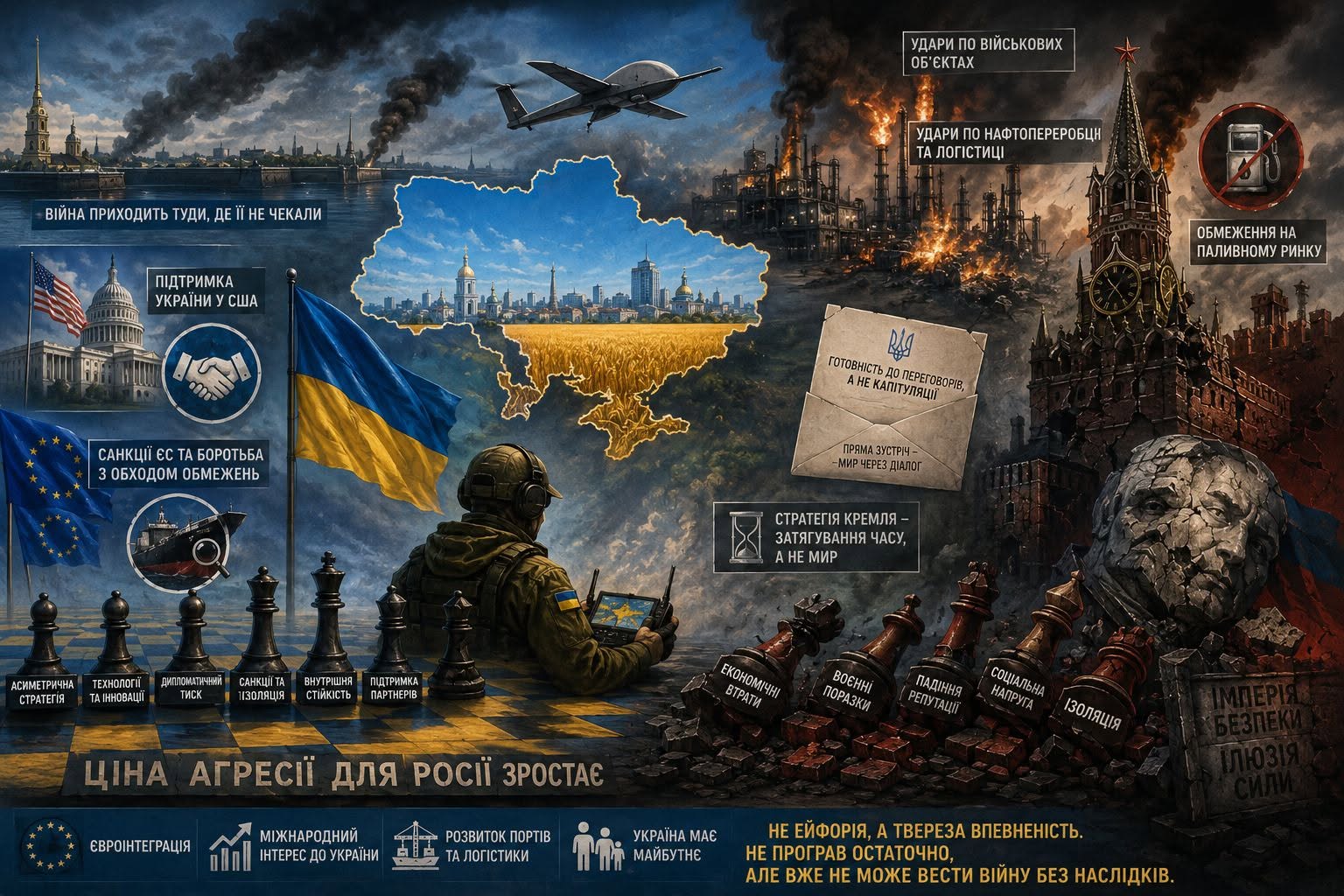
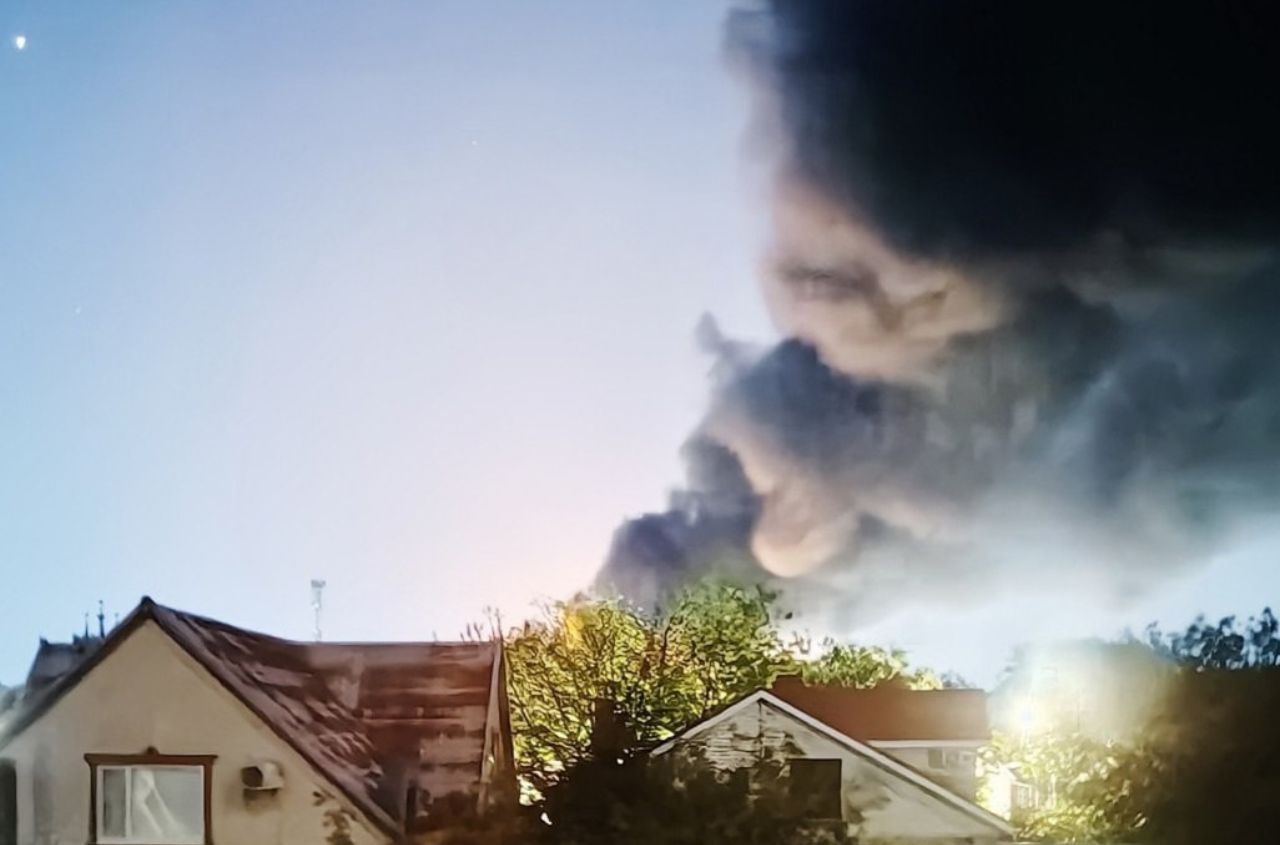
Ukrainian drone strikes on St. Petersburg, Kronstadt, oil infrastructure, and military facilities were not just another military operation. They struck at the very image of Russian “normality.” During the St. Petersburg International Economic Forum, which the Kremlin traditionally uses to demonstrate its “resilience” and “openness to the world,” the smoke of war appeared over the city. This served as a reminder of a simple fact: Russia cannot simultaneously wage an aggressive war against Ukraine and remain for itself a comfortable and secure rear empire.
No less important is the energy dimension. Strikes on oil refineries, terminals, and fuel logistics have long ceased to be isolated actions. This is a systemic campaign that is forcing Moscow to introduce administrative restrictions, including bans on aviation fuel exports and localized rationing of its sale. This does not mean the Russian economy will stop tomorrow or reach the brink of collapse. However, it shows that the war is increasingly costing precisely those sectors and resources that finance and sustain it.
The second important signal is political developments in the United States. The House of Representatives advanced a package of support for Ukraine and new sanctions against Russia despite resistance from part of the Republican leadership and the reluctance of President Donald Trump’s administration to limit its maneuvering space toward Moscow. The road ahead in the Senate and the White House remains difficult, so it is too early to speak of a final outcome. However, the vote showed that there remains a critical mass of political forces in Washington that view support for Ukraine not as charity, but as an element of Western strategic security.
The third signal comes from Europe. The European Union continues preparing new restrictions against companies and entities that facilitate the functioning of Russia’s war machine, including certain Chinese companies. What matters here is not only the sanctions themselves, but a gradual shift toward targeting the entire system of circumvention: the shadow fleet, intermediaries, financial channels, logistics networks, and suppliers of dual-use components.
The fourth signal is Ukraine’s diplomatic activity. President Volodymyr Zelenskyy’s open letter to Vladimir Putin proposing a direct meeting in a neutral country was not only a peace initiative. It was also a political test. Ukraine once again demonstrates readiness for negotiations, but not for capitulation. Meanwhile, the Kremlin continues to show that its strategy is not about seeking peace, but about buying time, holding occupied territories, and attempting to impose on the international community a logic of “war fatigue.”
At the same time, it is important to avoid the trap of cognitive optimism. Russia remains a strong and dangerous adversary. It has significant resources to continue the war, a willingness to absorb heavy losses, a repressive internal control system, and a network of states and companies that help circumvent sanctions. It would be a mistake to view every crisis inside Russia as a sign of the regime’s imminent collapse.
But an equally serious mistake would be the opposite distortion—seeing Russia as a monolithic system that does not feel the consequences of the war. In reality, it feels them increasingly acutely. This is precisely why the Kremlin reacts so nervously to strikes on its deep rear. This is why fuel market restrictions appear. This is why even within Russian expert circles, assessments increasingly emerge about the unattainability of initial war goals.
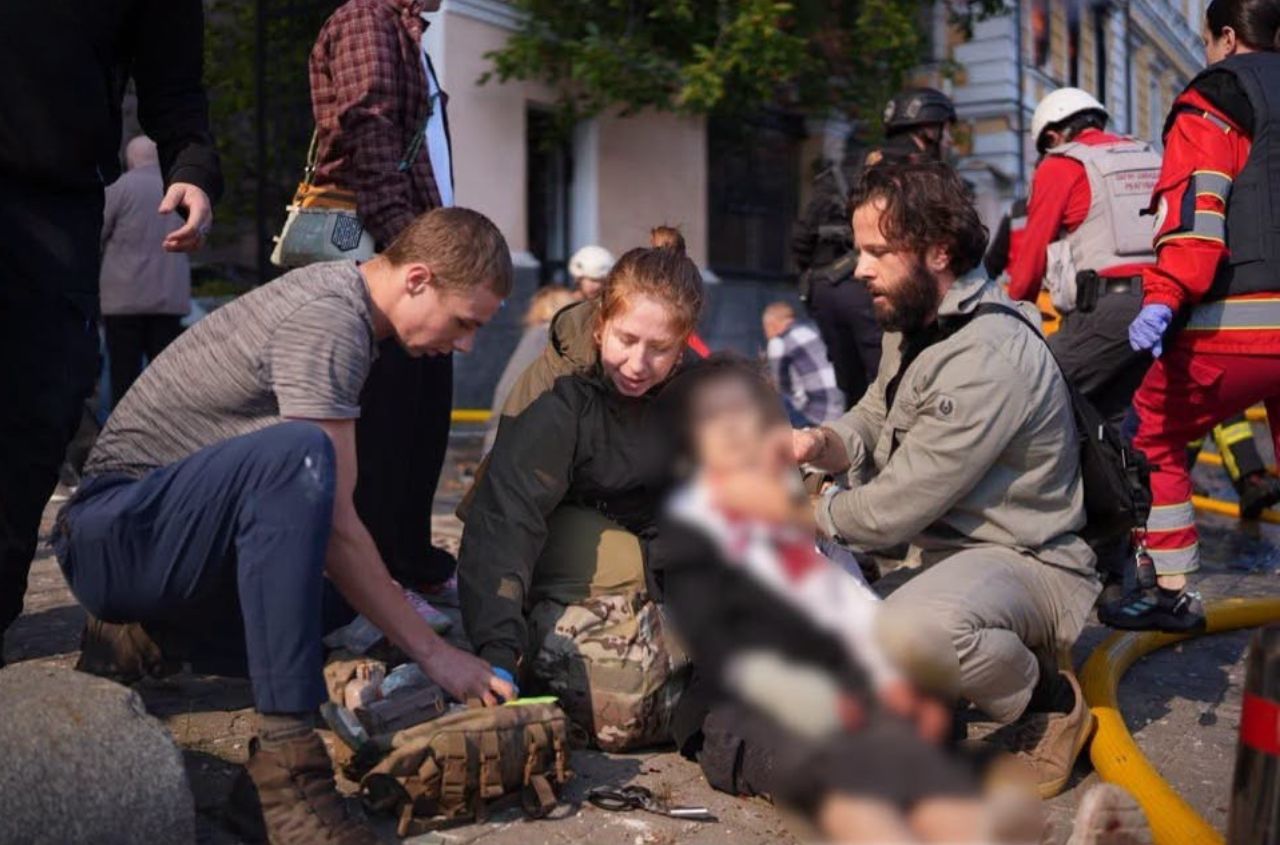
As of today, the situation looks mixed but revealing. The front remains difficult. Russia continues its terror against Ukrainian cities and civilians. The risks of further escalation have not disappeared. At the same time, strategic initiative is no longer exclusively a Russian advantage. Ukraine demonstrates the ability to strike at the military, economic, and psychological foundations of the Russian war machine. The West, despite internal disagreements, remains engaged in supporting Ukraine. Ukraine’s European integration continues to move forward. And the interest of major international companies in Ukrainian ports and logistics projects indicates that Ukraine is not being written out of the region’s economic future.
The main conclusion today is not one of euphoria, but of sober confidence.
Russia has not yet definitively lost. But it can no longer wage this war without consequences, without pain, and without costs to its own territory, economy, and internal stability.
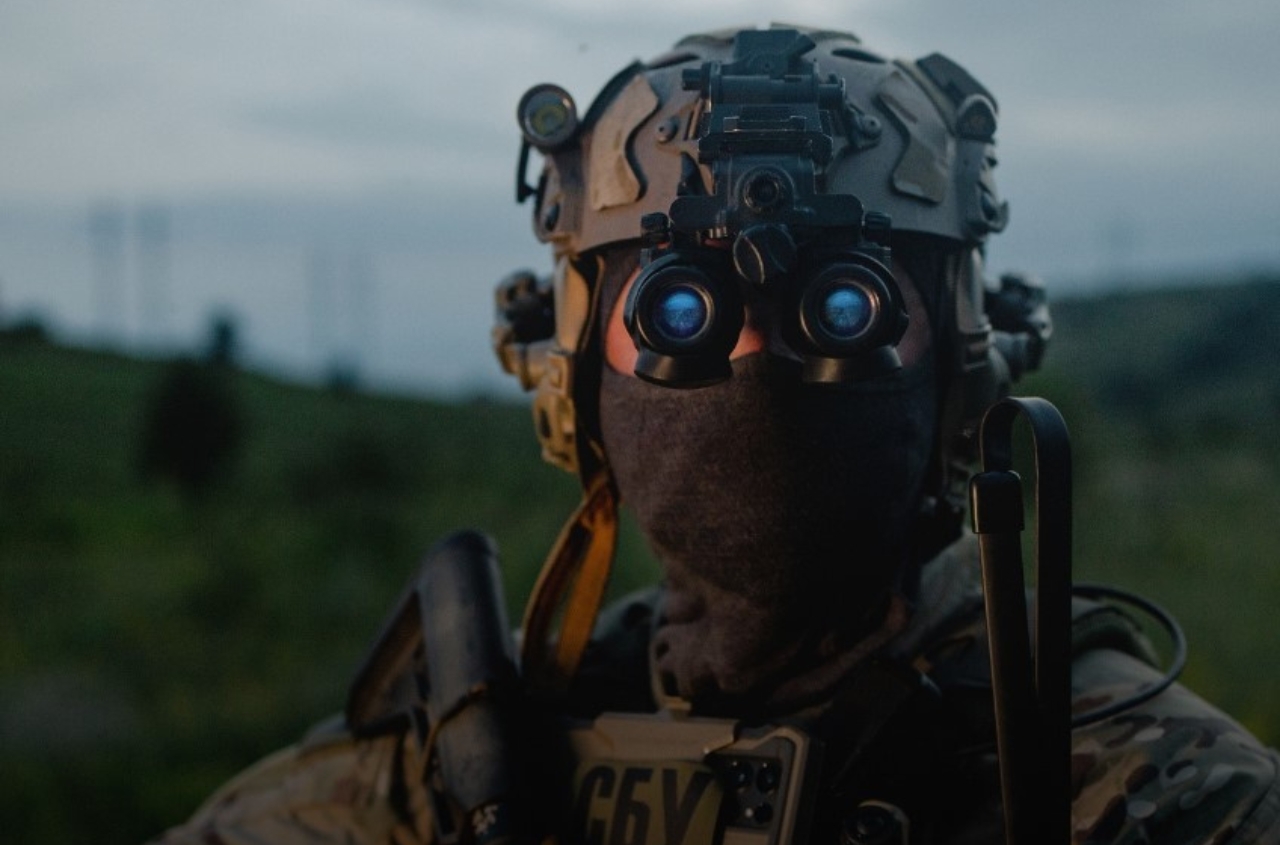
Ukraine must not relax. But it has the right to see the results of its own strategy. An asymmetric approach works when strikes on the enemy’s military potential are combined with diplomatic pressure, sanctions isolation, technological innovation, and societal resilience.
That is the main change in the situation today. Not a “beginning of the end,” but the gradual formation of a new strategic reality in which the cost of aggression for Russia continues to steadily increase.