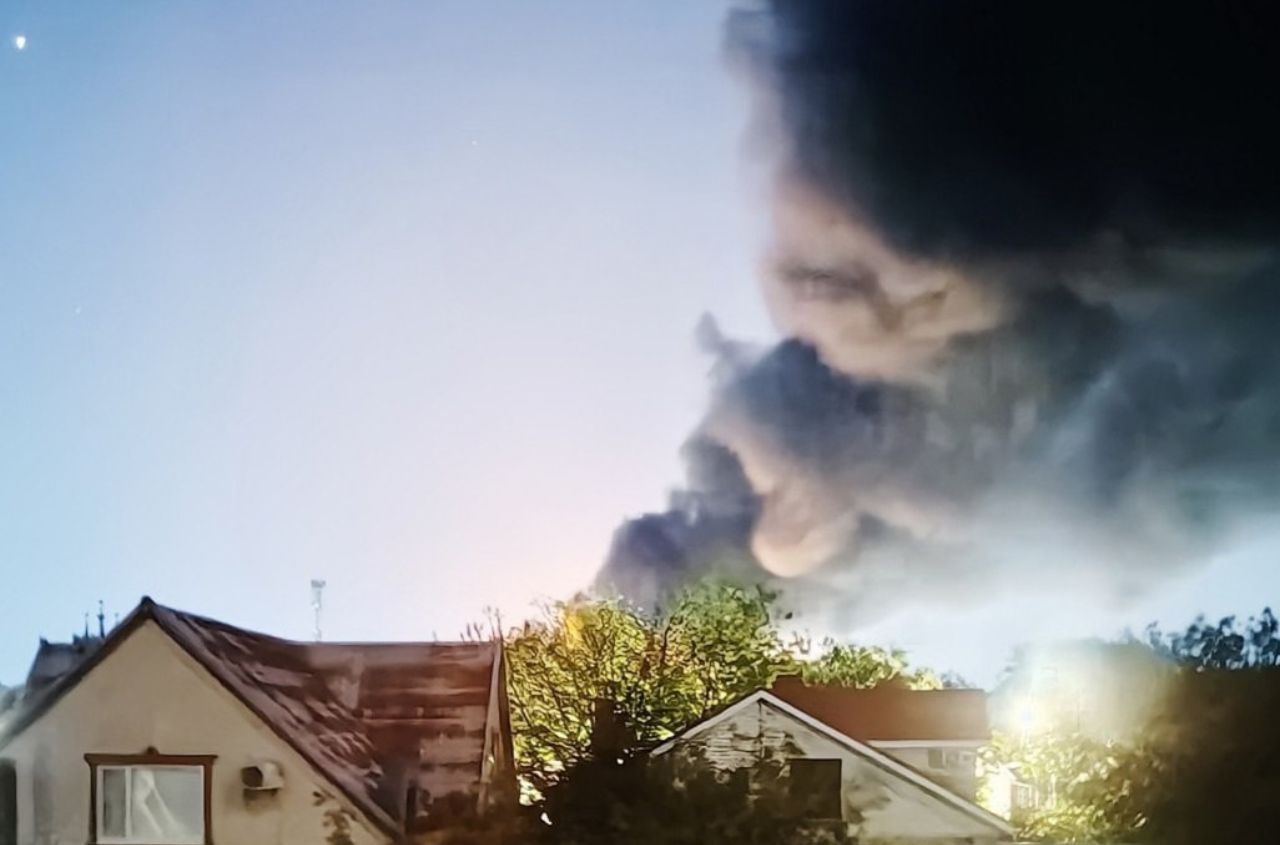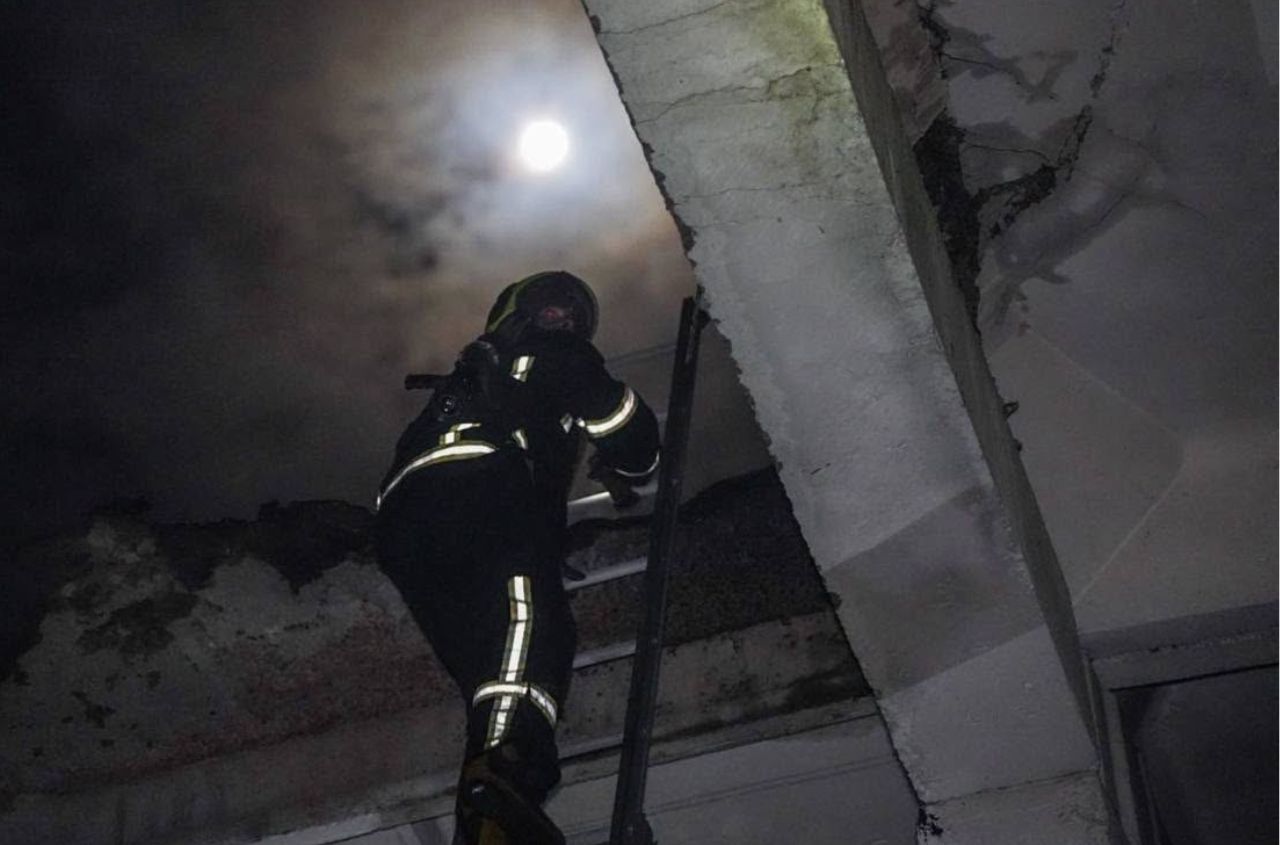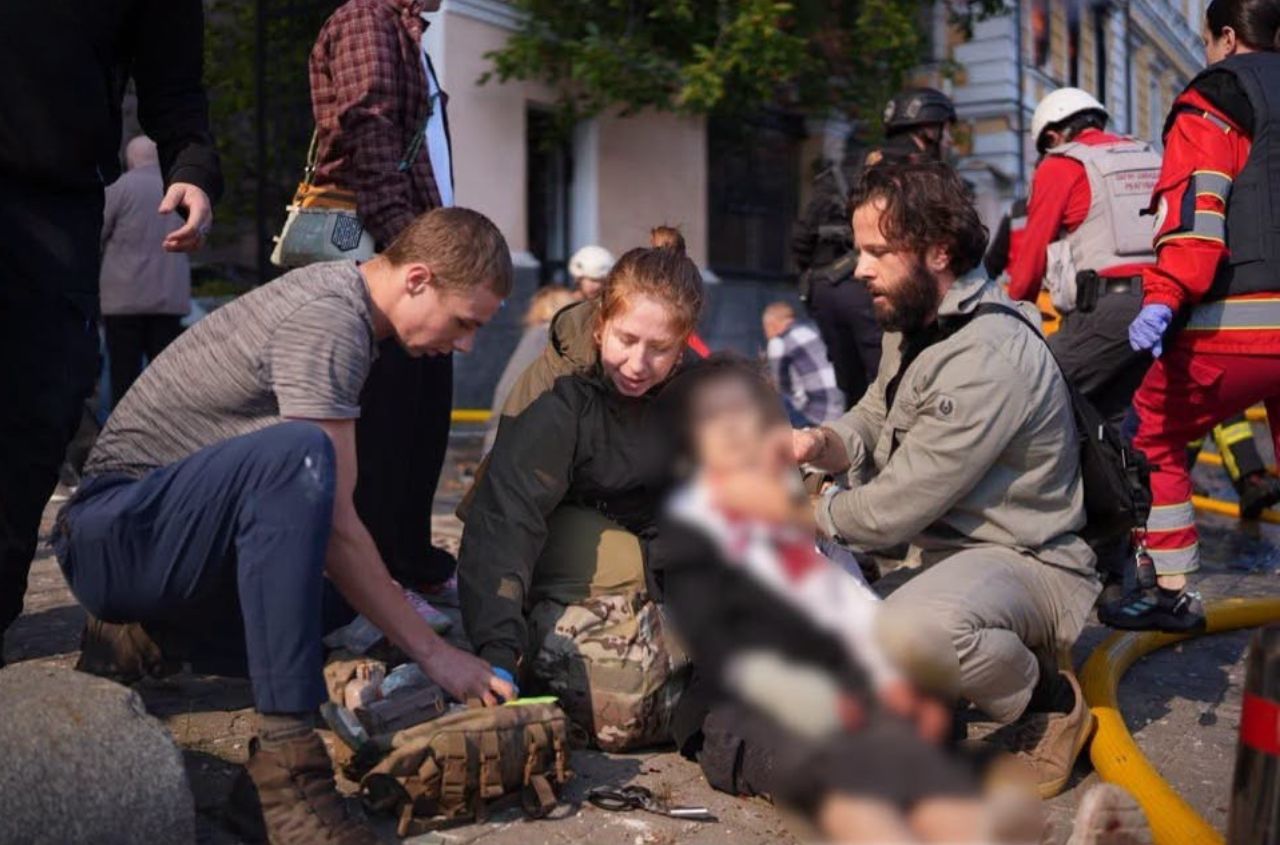


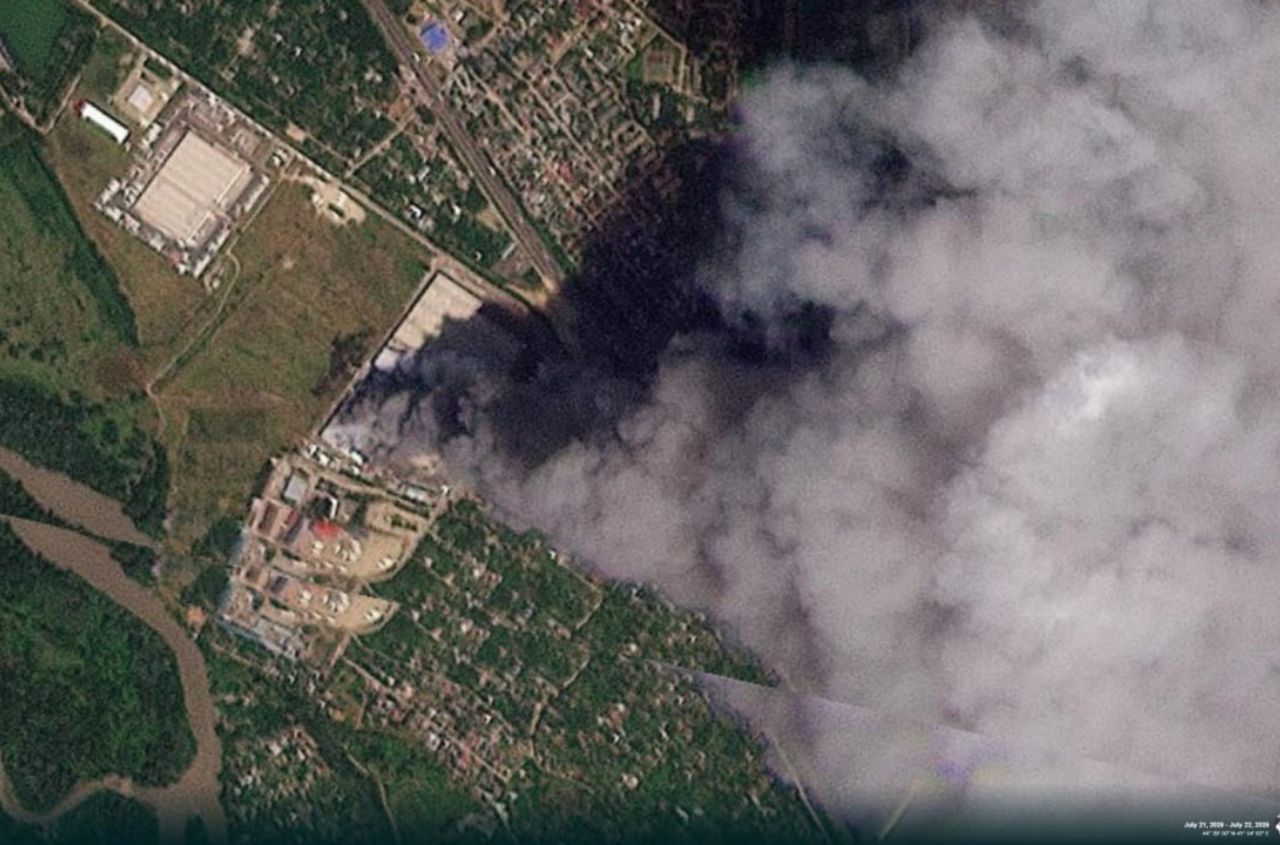

The attacks on Wildberries mark a new phase in the evolution of the Russian-Ukrainian war — a phase of symmetrical terror. The policy of “forcing nations into peace” has now become a two-way process. Applying pressure on populations through massive strikes on civilian infrastructure (even when it has dual-use functions) has become as fundamental a task for Ukraine’s armed forces as it has been for the Russian armed forces over the past three years.
It is hardly surprising that after years of terror against Ukraine’s population, the Ukrainian armed forces began carrying out retaliatory strikes when the opportunity arose. After all, today few people debate the legitimacy of the bombing of Dresden, while many still remember Coventry. This, however, does not change the essence of these events: both were acts of terrorism against civilians.
Pretending that strikes on Kyiv’s thermal power plants last winter were terrorism, while attacks on Wildberries facilities in the summer are strikes against military targets, is a rather hypocritical position. It has nothing to do with the question of the “legitimacy of targets.” From the perspective of the total war now being waged by both sides, there have long been no truly illegitimate targets. One should only remember that this rule of warfare without rules works in both directions.
The achieved symmetry of the war suggests that both sides are now equally violating the “laws and customs of war,” making references to them little more than a meaningless propaganda tool. What matters is only the balance of the means of terror: whoever has more of them becomes, accordingly, the greater terrorist. No moral lesson, like one from a fable by Krylov (or La Fontaine for those who prefer), can be drawn from this situation. It is simply war being war. When the challenge becomes existential, the response will always be extraordinary and therefore not limited by familiar norms and rules.
The real problem, if one arises, is not between the two sides of the war but among those who support Ukraine from abroad. It will not be possible to indefinitely pretend that Ukraine is defending itself against terror while only striking “legitimate targets.” Eventually, it will have to be acknowledged that Europe has become deeply involved in a conflict in which both sides use terror as a method of achieving their goals.
This is not a legal question but a purely political one — one that sooner or later (most likely during the next electoral cycle) Europe’s current leaders will have to answer.