


As Russia has shifted to a war economy, NATO must step up its efforts by investing more in defence production, maintaining steady support for Ukraine, and strengthening societal resilience.
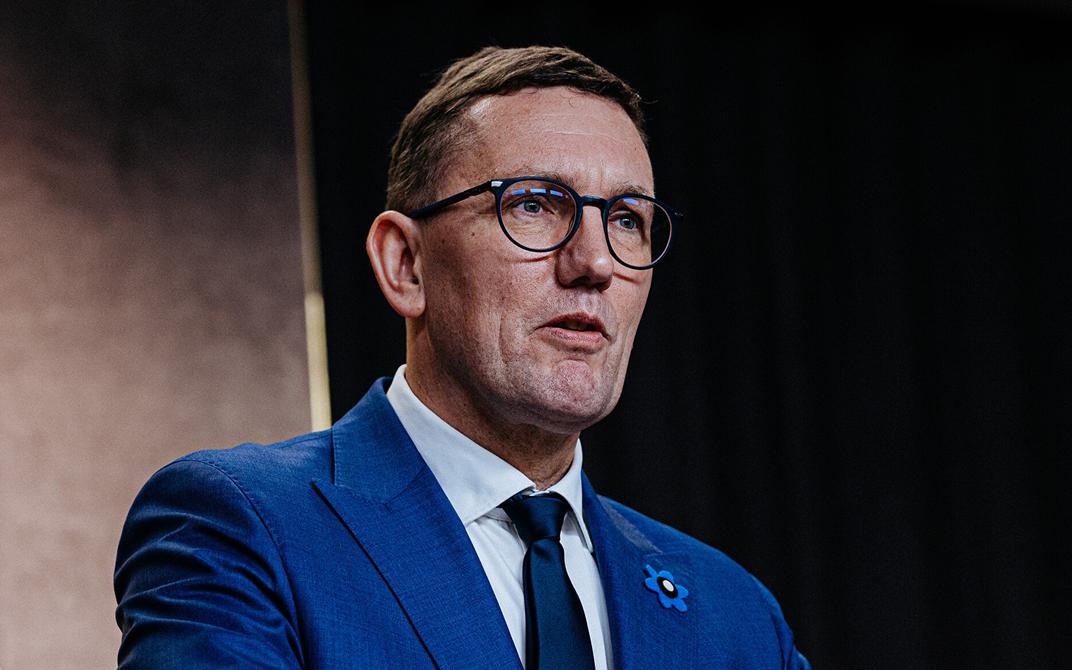
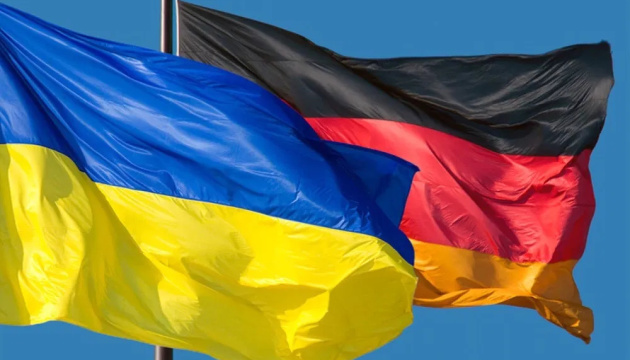
NATO Secretary General Mark Rutte made the remarks during a speech at a meeting of the NATO Parliamentary Assembly in Berlin. Emphasising the importance of continued support for Ukraine, Rutte said Germany was demonstrating “real leadership” in this regard.
“This is exactly what we need; we are facing serious threats from Russia,” the NATO chief said, adding that Russia is working closely with Iran, China, and North Korea.
According to Rutte, Russia’s war machine is “operating at full capacity,” while the country’s war economy continues to expand.
“And it will not stop when — hopefully — the war against Ukraine eventually ends. This entire machine exists and will continue to operate,” Rutte said.
He also noted that China is accelerating its military mobilisation and technological development, while its true intentions remain unclear. Rutte separately highlighted Russia’s increasing use of “grey-zone” operations against Europe.
“Today, it could be arson at a factory or drones disrupting airport operations; tomorrow, sabotage on railways, attacks on cargo ships at sea, or cyberattacks,” Rutte said, recalling numerous incidents in which Russia had violated airspace and maritime borders.
He concluded that this means “we are all targets, we are all under attack — our pipelines, cables, power grids, and economies are interconnected, and this means we will have to deal with this challenge for a long time.”
Against this backdrop, Rutte called on parliaments across NATO member states to strengthen their support for the Alliance’s efforts in several areas. In particular, he stressed the importance of defence spending and investment, especially in countries that have yet to reach the target of 5% of GDP. He also urged defence manufacturers to increase production. While ammunition manufacturing has expanded significantly, production of drones and air defence systems continues to lag behind, Rutte noted.
To address this, national authorities should encourage closer cooperation between defence companies by expanding partnerships and pooling resources, while governments can consolidate demand for defence products.
“We must keep Ukraine strong,” Rutte emphasised, noting that Ukraine must be able to defend itself not only today but also in the future.
According to the NATO chief, international support “helps Ukraine defend itself today while also strengthening its position in any future negotiations with Russia.”
At the same time, as Russia seeks to disrupt international assistance to Ukraine and sow division through hybrid tactics, NATO countries must “strengthen the resilience of our societies,” Rutte stressed.