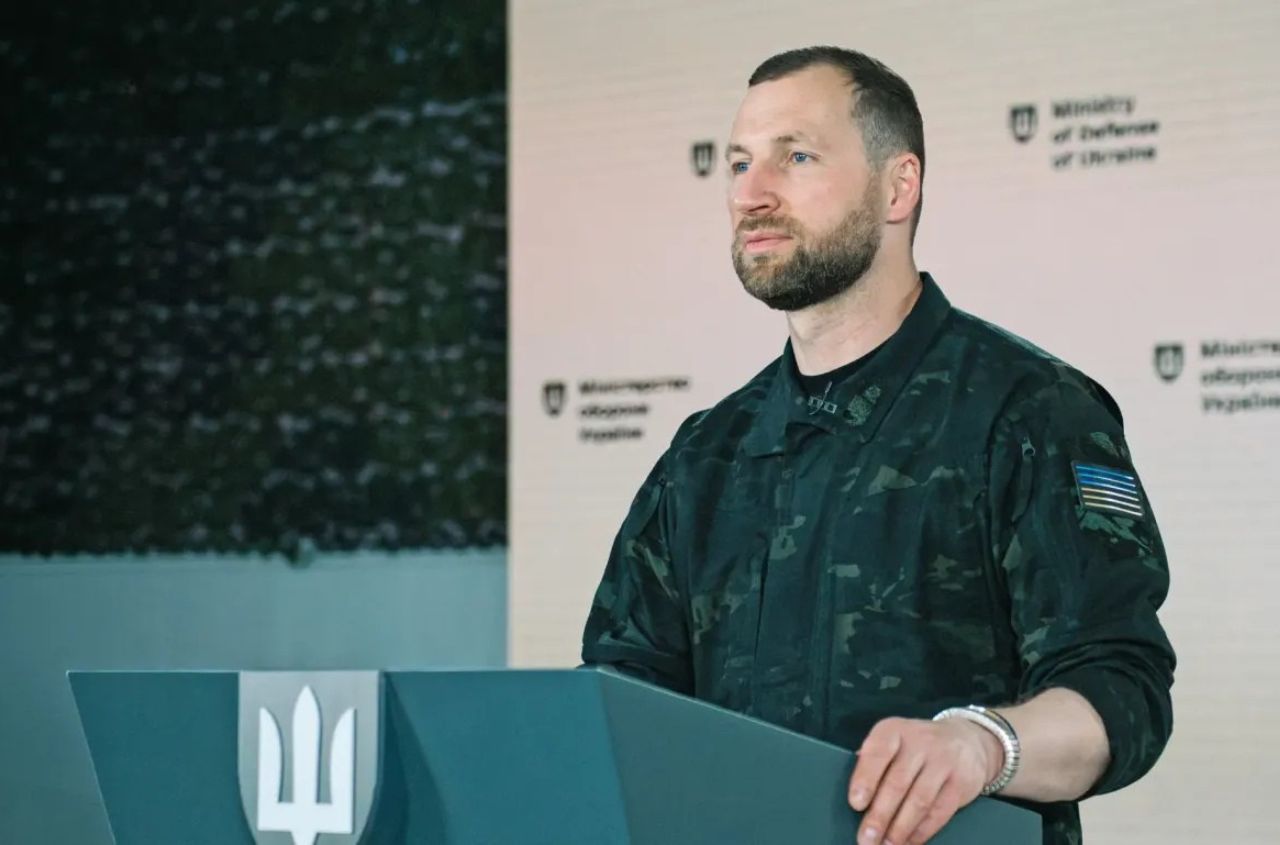



Ukrainian forces struck eight Russian ballistic missile launchers during September and early October, destroying three and damaging five, Defence Minister Yevhenii Khmara said.
According to Khmara, the strikes have already forced Russian forces to cancel or modify planned ballistic missile attacks.
The minister warned that Ukraine continues to face a critical shortage of ballistic missile interceptors, with existing stocks and expected deliveries insufficient to counter the threat fully.
“The threat of ballistic missile strikes remains critical. Available and potential deliveries of missile defence interceptors are not enough to fully address it,” Khmara said.
Ukraine is working with international partners to accelerate deliveries, prioritising the transfer of existing missile stocks rather than waiting for lengthy procurement contracts.
“We need tens and hundreds of missiles, not isolated deliveries,” the minister stressed.
At the same time, Ukraine is improving its ability to intercept Russian jet-powered drones using fighter aircraft.
Khmara said aviation remains one of the most effective means of countering these drones, with improved pilot performance and coordination reducing the number of munitions required to destroy each aerial target.
The Ministry of Defence is also working to increase the availability of F-16 fighter jets for combat duty. Aircraft maintenance remains a significant challenge, although Ukraine is expanding its servicing capabilities.
Mirage fighter jets are also being used to intercept aerial targets. According to Khmara, maintaining sufficient ammunition reserves for both aircraft types several months in advance is essential.
The minister emphasised that Ukraine is pursuing two approaches simultaneously: strengthening its air defence capabilities through additional Western supplies and reducing Russia’s ability to launch ballistic attacks by targeting launch systems directly.