

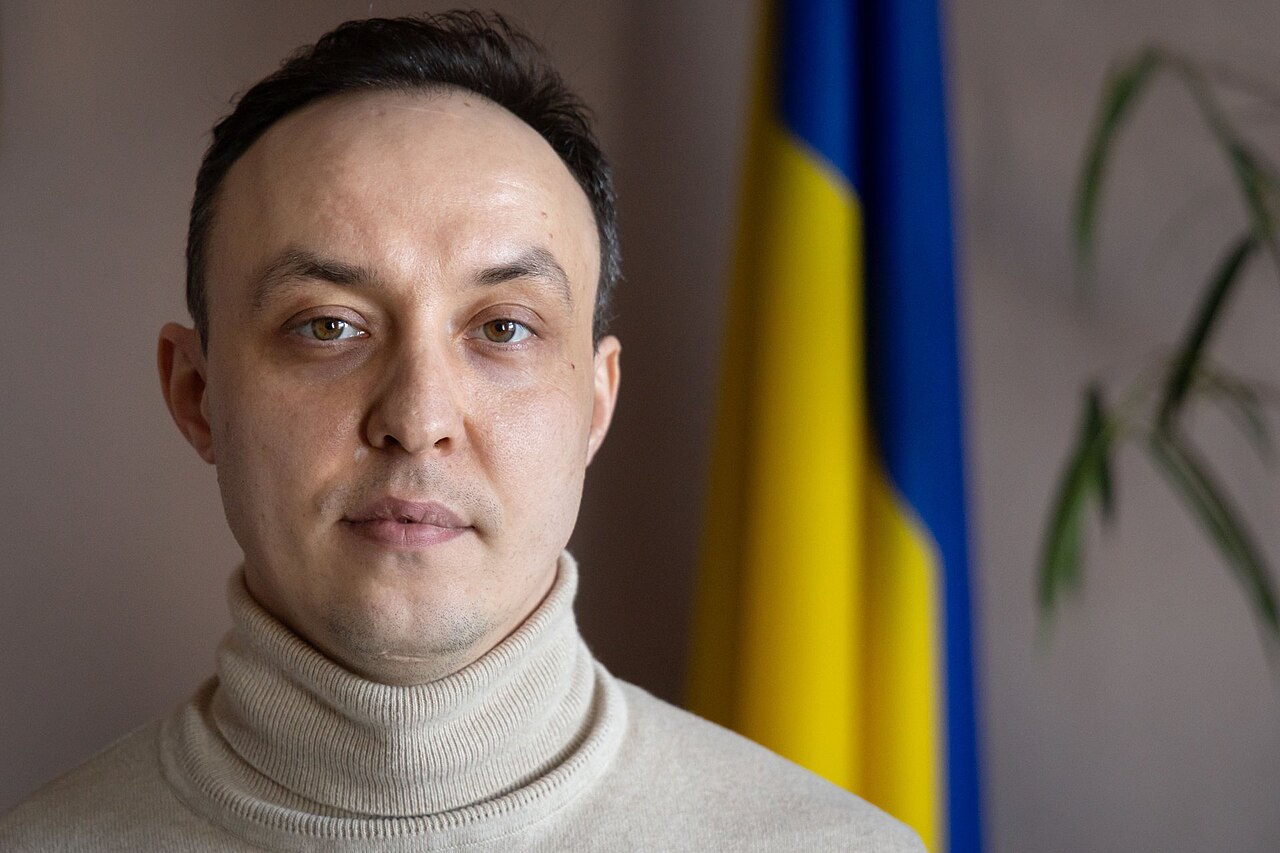

The European Union’s 21st sanctions package has expanded transaction bans to an additional 90 banks, cryptocurrency platforms and oil traders in third countries. For the first time, the EU has introduced the possibility of fully blocking crypto services used to bypass sanctions outside the bloc, according to Ukraine’s Presidential Commissioner for Sanctions Policy Vladyslav Vlasiuk.
“The main conclusion of the adopted 21st sanctions package is that the EU has once again demonstrated its ability to reach compromises and continue applying pressure. Of course, there were disputes: some partners again tried to politicize their profits from logistics related to Russian energy exports, particularly LNG transportation. The final draft also excluded Patriarch Kirill of the Russian Orthodox Church and Lukoil founder Vagit Alekperov. However, the key and fundamental measures were preserved,” Vlasiuk said.
Among the main measures included in the package, he highlighted the freezing of the oil price cap at $44.1 per barrel. According to Vlasiuk, the EU suspended the automatic adjustment mechanism for one year to prevent Russia from increasing its revenues amid rising global oil prices.
The sanctions list targeting Russia’s shadow fleet was expanded by another 50 vessels. For the first time, restrictions also cover related infrastructure, including bunkering vessels, ports, nuclear facilities and oil refineries involved in servicing or processing Russian oil. Separate measures were introduced regarding LNG exports and ship resale, with a compromise exception allowing certain volumes of LNG from Russia’s Yamal project to continue being transported to China.
The financial sector measures significantly expand transaction restrictions involving banks, cryptocurrency platforms and oil traders in third countries. The package also introduces the possibility of completely blocking crypto services used to circumvent EU sanctions outside the bloc.
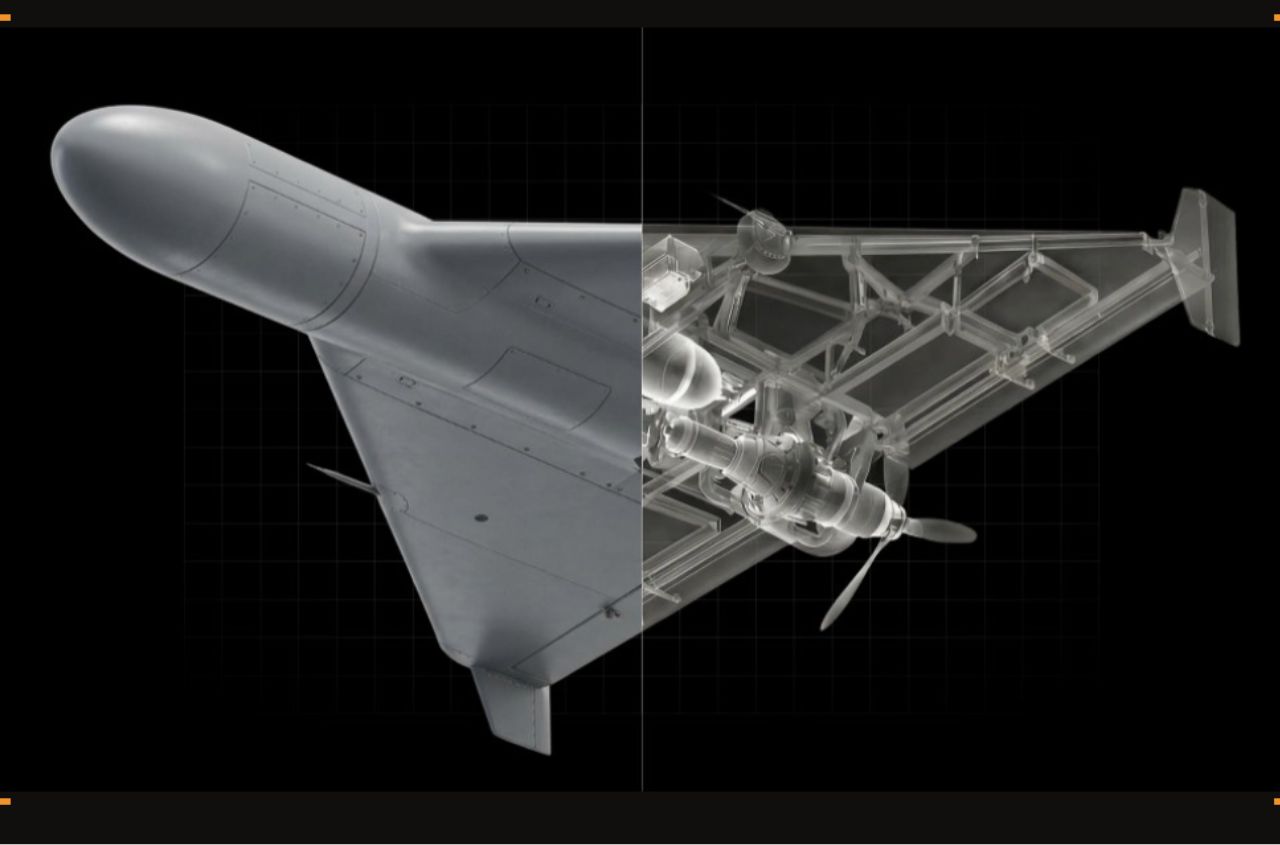
In the defence and trade sectors, the EU banned exports of ground equipment for drones, electronic warfare systems, and specific metals and alloys used in military production. Vlasiuk said these measures are aimed at undermining Russia’s production of drones and military equipment.
Nearly 250 individuals and legal entities were added to the sanctions lists. The package also introduces, for the first time, an entry ban into the EU for Russian military personnel directly involved in the war against Ukraine.
Vlasiuk noted that many Ukrainian proposals were incorporated into the package, based on investigations into sanctions evasion schemes through third countries and analysis of components used in Russian weapons.
The European Commission presented the 21st sanctions package to EU member states on 9 June. Its approval was delayed due to disagreements over national interests, including Greece’s concerns over Russian LNG transportation and objections from France and Italy regarding stricter visa restrictions for former Russian military personnel.
As a compromise, the EU allowed the continuation of certain LNG transport contracts signed before Russia’s full-scale invasion on 24 February 2022, but prohibited increasing the volume of such shipments. The exception will be reviewed annually by the Council of the European Union.