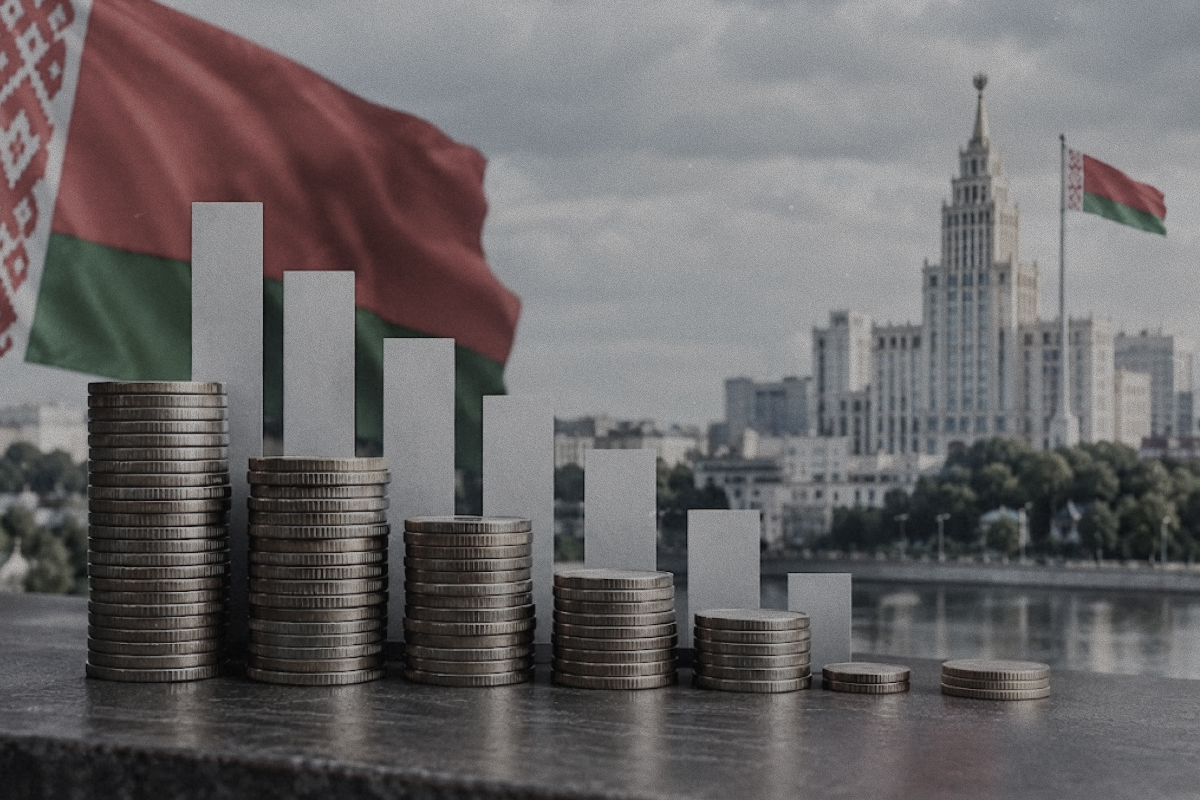



In 2025, the trend of nationalization in Russia intensified sharply: the authorities are actively seizing private companies, usually followed by resale to Kremlin-loyal investors. The total value of assets transferred to state ownership exceeded 3 trillion rubles — 4.5 times higher than in 2024, and cumulatively since 2022 reached around 6.5 trillion rubles. Almost 1.2 trillion rubles come from strategic enterprises, while slightly over 1 trillion rubles resulted from corruption-related cases, which remain the main grounds for the seizures.
The reasons for confiscations are varied — from privatization violations to links with foreign investors, with foreigners considered even Russians holding second citizenship or residence permits abroad. Nationalization affects all sectors, but the highest risks are for large and economically attractive assets, including seaports, fishing, and mining enterprises. The Constitutional Court of Russia’s October 2024 decision on the absence of a statute of limitations in anti-corruption cases, along with the recent recognition that exchange-listed shares can also be seized, has further accelerated this process.
Assets rarely remain in state ownership: they are quickly resold, generating additional budget revenue — estimated at around 30 billion rubles as of September — and providing indirect control through investors close to the Kremlin. Less than 1% of cases are resolved in favor of the owners, and case timelines have been significantly shortened due to coordination between law enforcement agencies and courts.
The trend is fueled by budgetary pressure, high cost of capital, low GDP growth, and volatility in foreign trade. There are no predictable reasons for it to slow down: nationalization will continue to expand as long as attractive assets remain.