


From 9 to 16 January 2026, multinational naval exercises “Will for Peace 2026” are scheduled to take place in the territorial waters of the Republic of South Africa. The event has been officially confirmed by the South African National Defence Force (SANDF) Joint Operations Command, which stated that China will play a key role in planning and conducting the drills.
The declared objective of the exercises is to practice joint actions to ensure maritime security, improve coordination between units, and carry out maritime patrol tasks. The event is positioned as an interagency, multinational exercise involving countries of the “BRICS+” format.
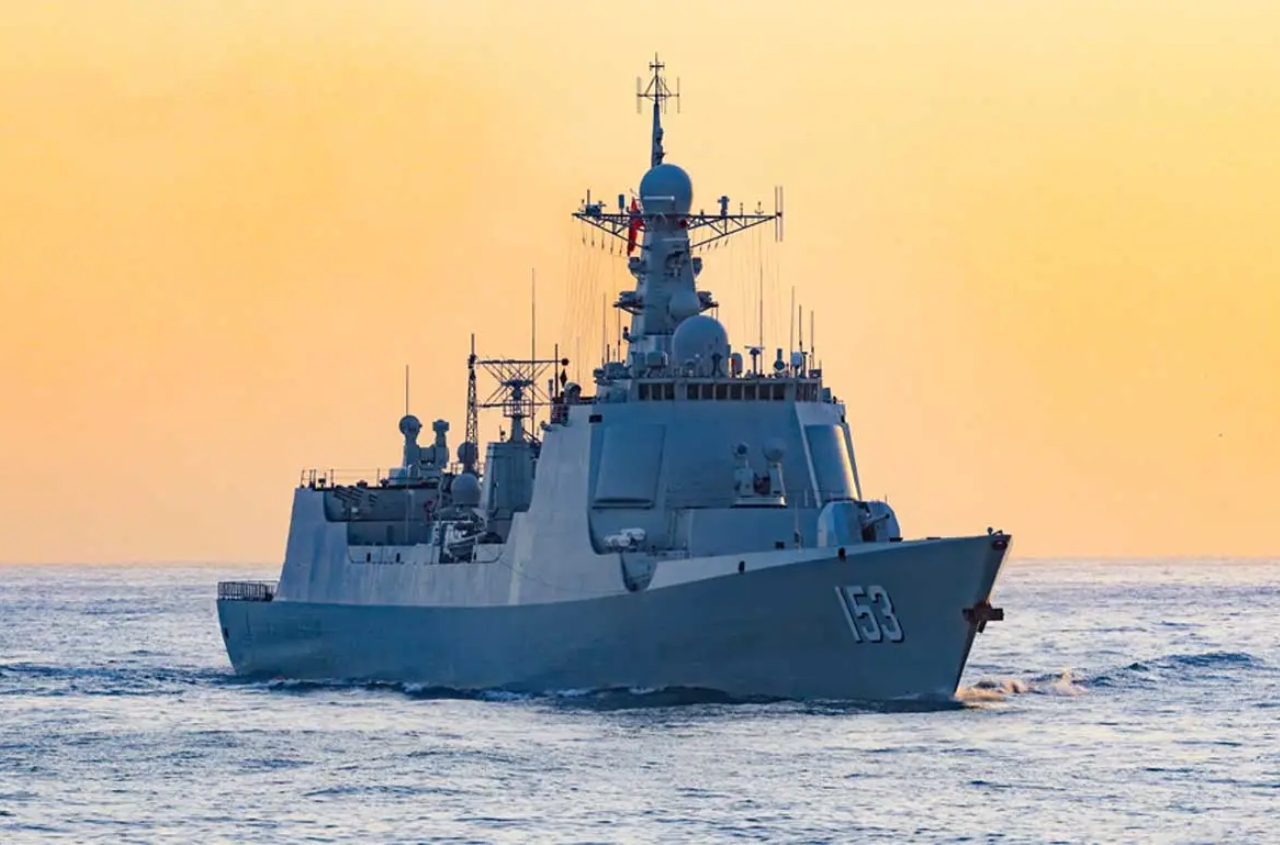
Participation has been confirmed by the People’s Liberation Army Navy of China, which will deploy the Type 052DL guided-missile destroyer Tangshan, the Type 054A frigate Zhichao, and the Type 903A supply ship Taihu.
The Russian Federation has also announced participation, represented by a Steregushchiy-class corvette with a Ka-27 anti-submarine helicopter, accompanied by the Project 160 tanker Yelnya. Iran will take part with ships from its 103rd and 104th flotillas. India and Brazil have declined to participate in the exercises.
Chinese state media present “Will for Peace 2026” as an example of a new model of security cooperation among countries of the Global South, emphasizing non-military threats such as piracy and terrorism, as well as principles of non-interference and non-alignment against third parties. In a broader context, the exercises reflect Beijing’s ambition to strengthen its role in the security sphere without formally creating a military-political bloc.
For Russia, participation in the drills is largely demonstrative, aimed at showing the preservation of a naval presence beyond regions of its traditional responsibility. At the same time, this format does not change either Russia’s limited operational capabilities or its actual lack of influence on the security situation beyond its own region.