


In 2027, the Belarusian regime plans to spend approximately $4.32 billion on defence, law enforcement and security — nearly 21% of the country's total budget expenditure. Defence spending will increase by 15% to $1.76 billion, while funding for courts, law enforcement and security will rise by 11.5% to $2.54 billion. By comparison, overall budget expenditure will grow by just 3.6%.
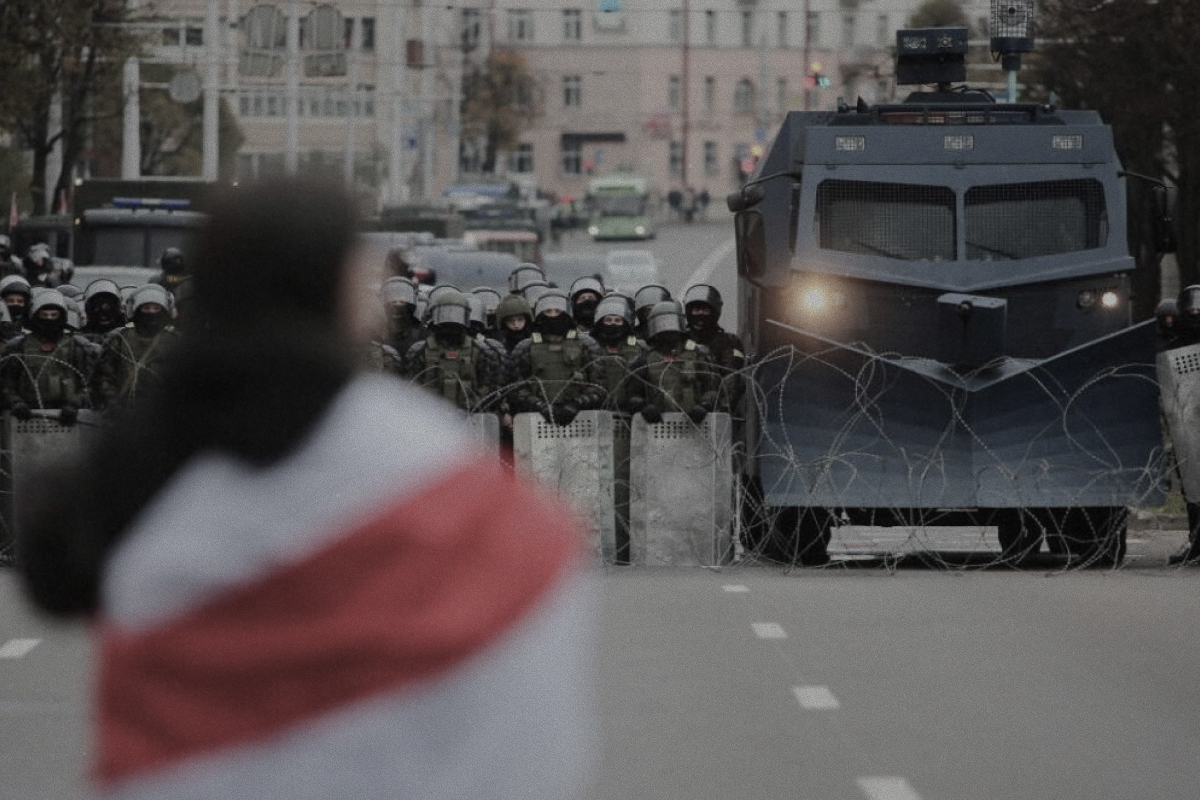
The largest funding increases will go to institutions responsible for controlling society and maintaining Lukashenko's grip on power. The Ministry of Internal Affairs will receive approximately $945 million, up from $856 million the previous year. Spending on the prosecutor's office will rise by 16.2%, courts by 14.7%, the border guard service by 14.4%, and state security agencies by 13%. The penitentiary system will receive around 10% more funding.
Previous years show that approved budgets do not necessarily limit spending by security agencies. Between 2021 and 2025, actual expenditure on law enforcement and security exceeded initial allocations every year. In 2022, the difference amounted to approximately $36 million, rising to $82 million in 2025.
State security agencies were the most frequent recipients of additional funding. Between 2022 and 2025, their actual spending exceeded planned allocations by an average of 8.6%. The corresponding figures were 5% for the border guard service and 4.5% for the Ministry of Internal Affairs.
Defence spending followed a less consistent pattern. In 2022, it exceeded the budget by 26%, while in 2024 and 2025 it fell approximately 12% and 4% below planned levels, respectively.
Minsk is increasing spending on its security apparatus significantly faster than on other areas of the state budget. Lukashenko continues to channel resources into institutions responsible for suppressing protests, persecuting political opponents and maintaining his regime, leaving an increasingly smaller share of public funds for other government priorities.