


EU defence ministers have for the first time discussed a new emergency security protocol that would set out actions and responses to hybrid threats from Russia, including sabotage, airspace violations and arson.
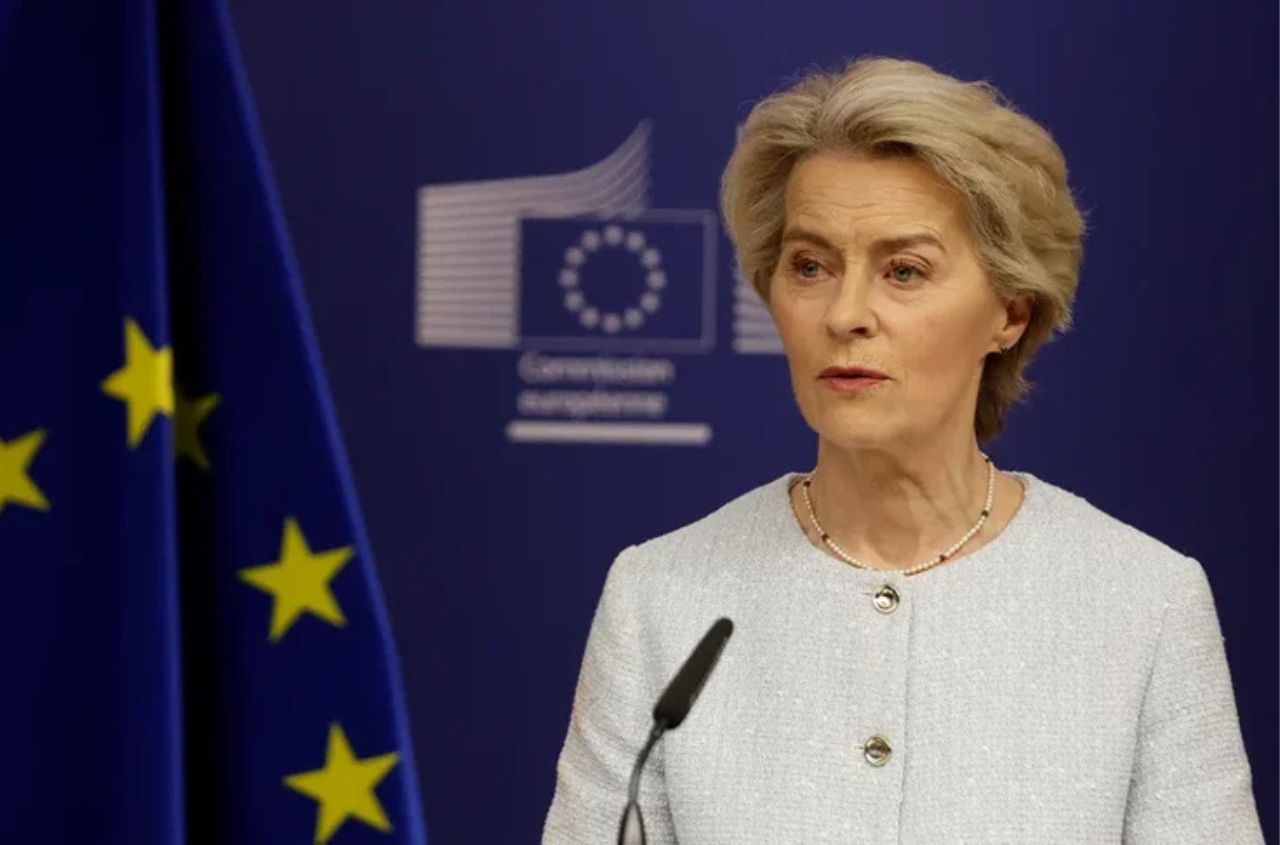
“Such a mechanism would ensure coordination in responding to grey-zone attacks and complement the existing Article 42.7,” EU foreign policy chief Kaja Kallas said.
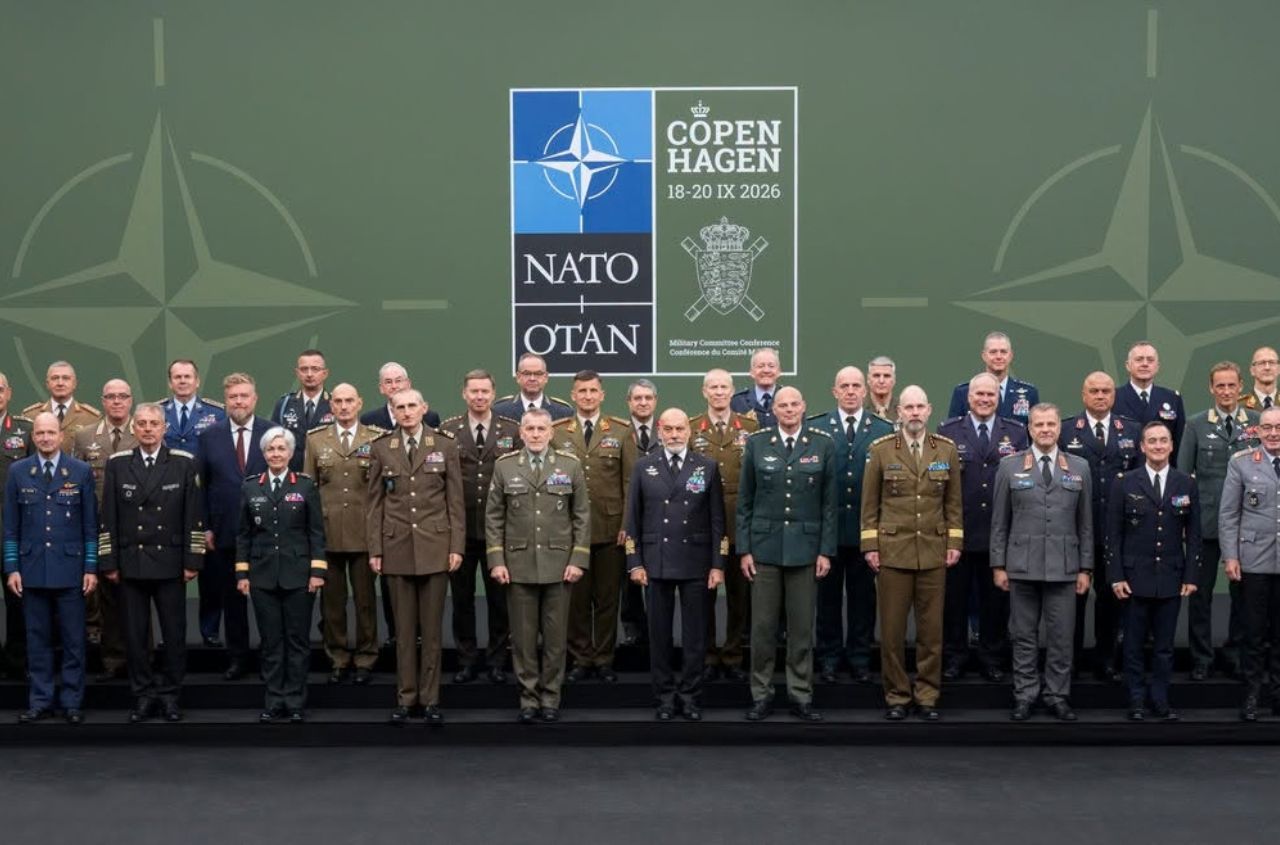
NATO Secretary General Mark Rutte said drone incursions into Alliance territory demonstrate an “evolution in the nature of the threat.”
“We are strengthening our integrated air and missile defence system,” Rutte said, adding that NATO also has “options” for responding to Russian hybrid attacks.
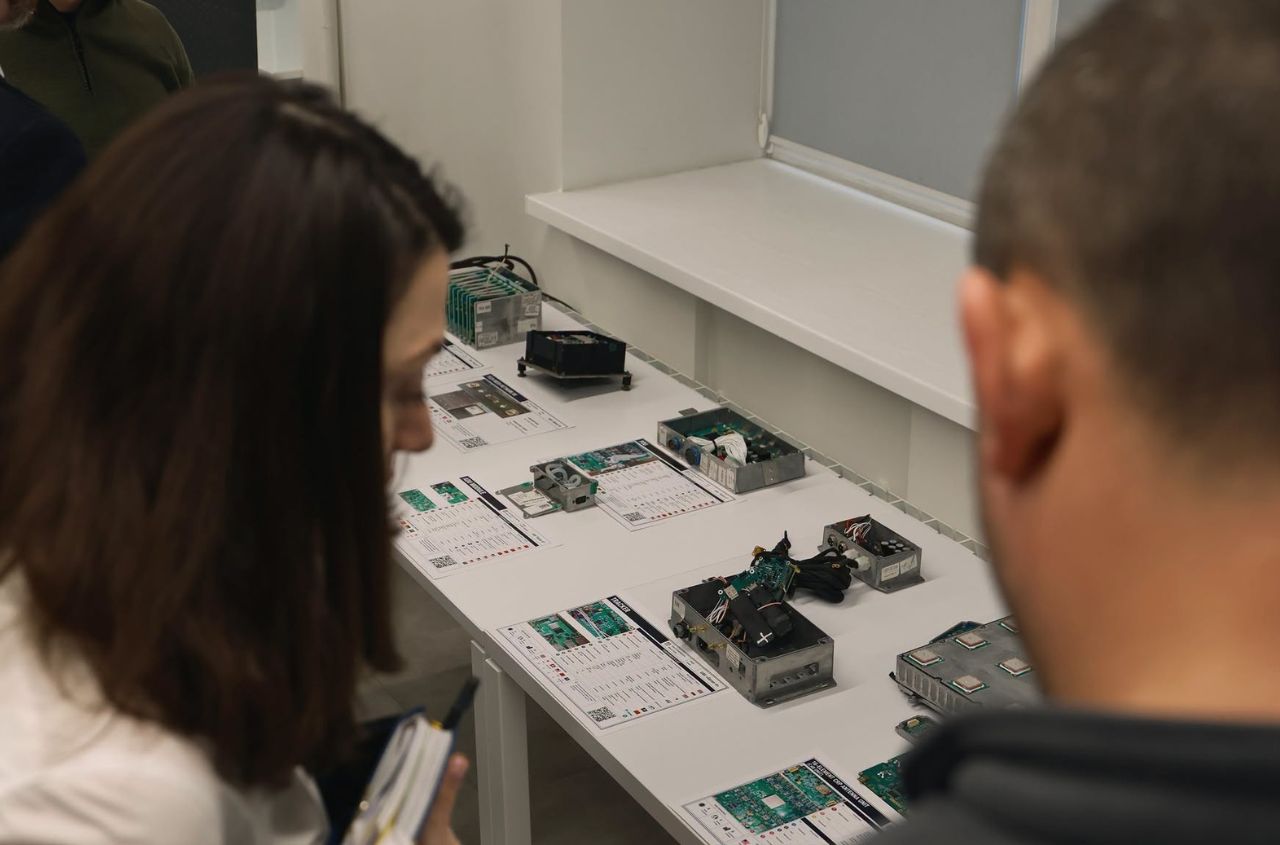
Estonia’s Internal Security Service has determined that the arson attack on the premises of defence company Milrem Robotics in Tallinn on the night of August 15 was an act of sabotage commissioned by Russian intelligence services.
Swiss food group Nestlé, which has already lost control of six factories in Russia, intends to seek the reversal of the decision placing its Russian business under temporary administration.
Humo Bank in Tajikistan has required Russian clients to undergo in-person biometric identification by September 30 to continue using their cards. Cards belonging to customers who fail to complete the procedure will be blocked from October 1.
Russian paper exports fell by 17% year-on-year. Over the four years from 2022 to 2025, exports declined by 0.8 million tonnes, or 33%, compared with 2021 levels. Nearly half of this decline occurred in 2025, when exports fell by 0.3 million tonnes.
Russia’s Ministry of Industry and Trade has published the rates for a new technology levy on electronics. The charge will apply to a wide range of devices, including laptops, smartphones and even inexpensive mobile phones. The levy will take effect on December 1, 2026. The announced rates are significantly higher than those indicated by the ministry at the end of April 2026.
Russians have been prohibited from taking more than 1 million rubles in cash out of Russia to countries of the Eurasian Economic Union. If the restriction is violated, individuals will have the amount exceeding 1 million rubles confiscated, while legal entities and individual entrepreneurs will have all exported cash confiscated.
Revenue at Russian server equipment manufacturer Delta Computers fell by 31% year-on-year. Net profit dropped to 801,000 rubles, down 98.3% from a year earlier.
Russian online farm-products retailer Eat Village (“Yesh Derevenskoye”) has suspended operations. The company recorded a loss of more than 16.9 million rubles in 2025.
VTB’s net profit under International Financial Reporting Standards (IFRS) fell by 4% year-on-year in the first eight months of 2026, to 314.8 billion rubles.
Since February 2026, 125 cinemas have ceased operations in Russia, representing around 6% of the total. By 2030, another 30–50% could close or change their business model, equivalent to around 700–1,200 venues.
At least ten Russian VPN services have faced a new wave of blocking measures following the State Duma elections.
Russian automotive market experts expect car prices to rise by 4–15% this autumn, with the weighted average price of a vehicle projected to exceed 3.5 million rubles by mid-autumn.