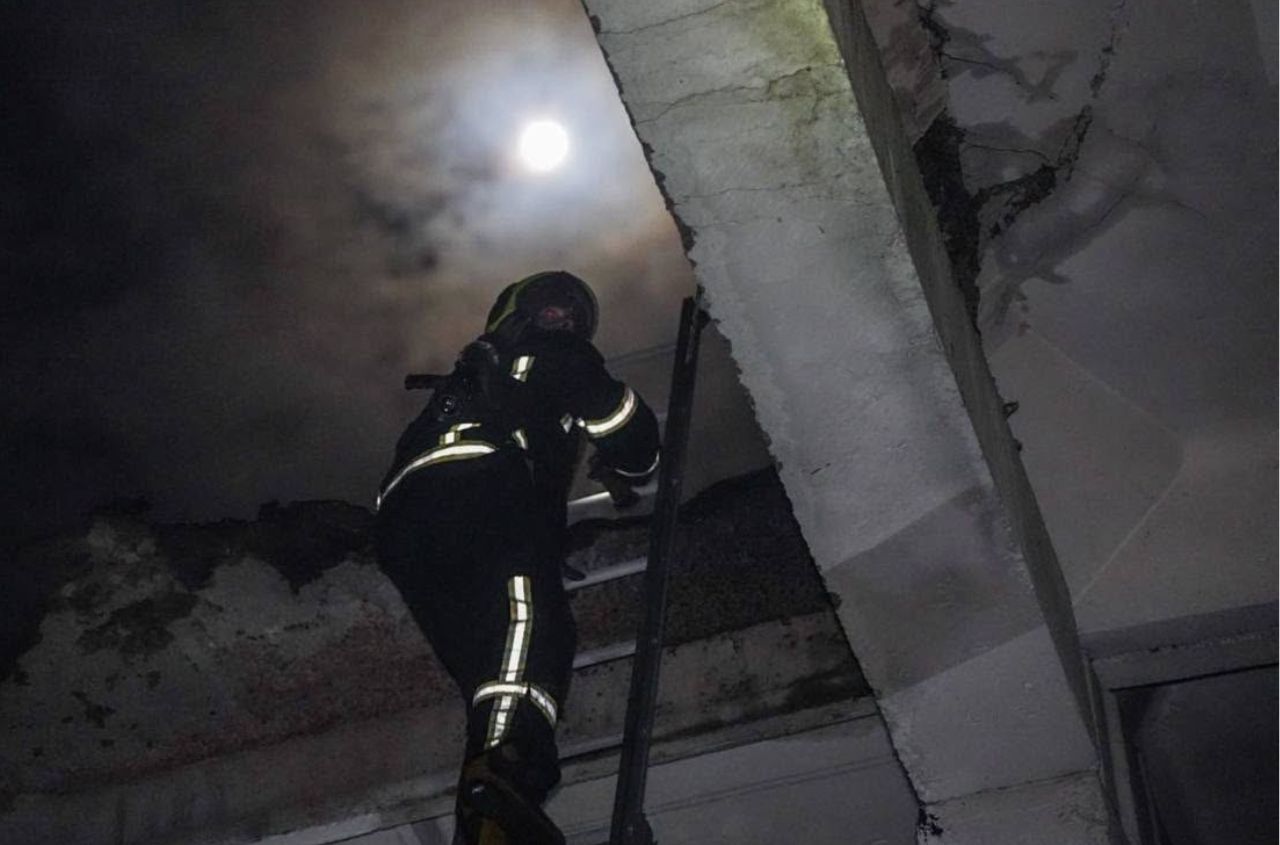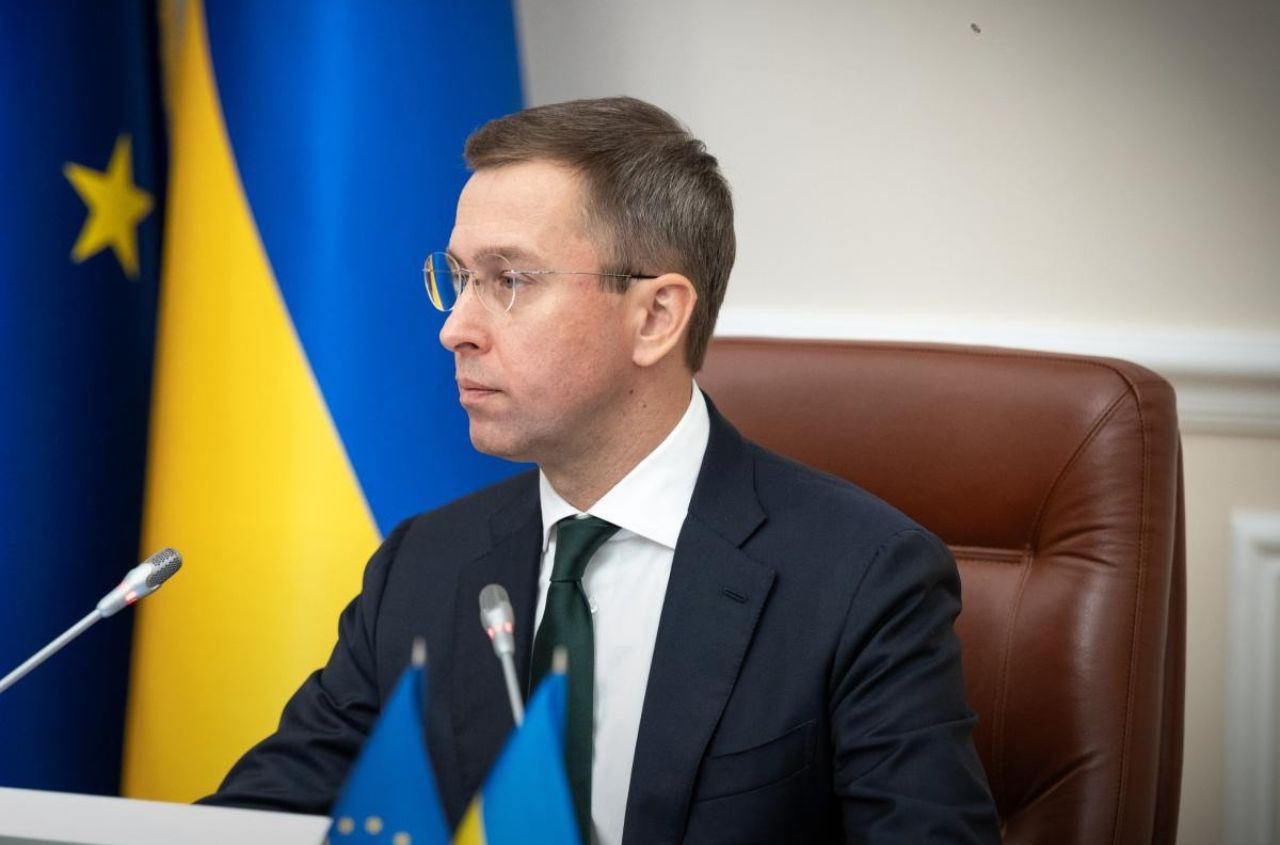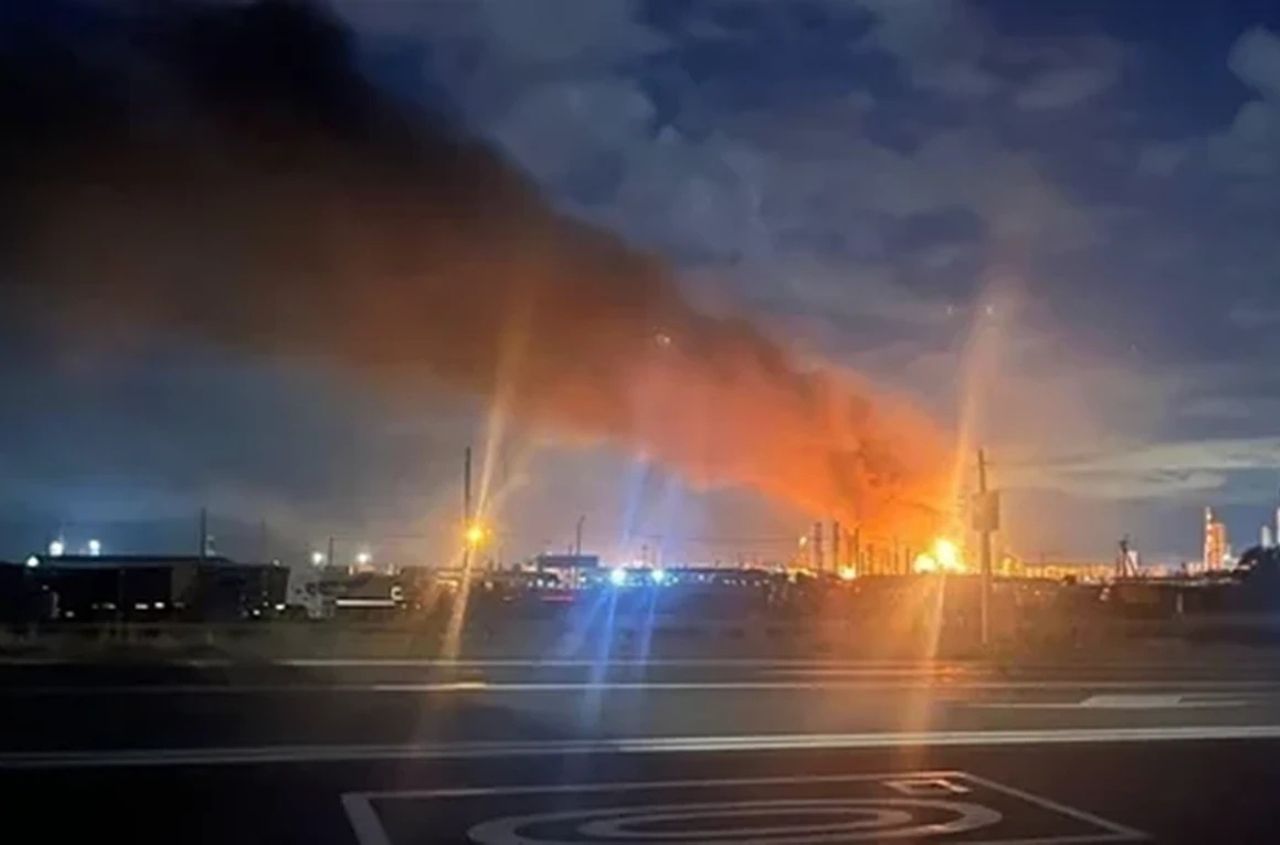


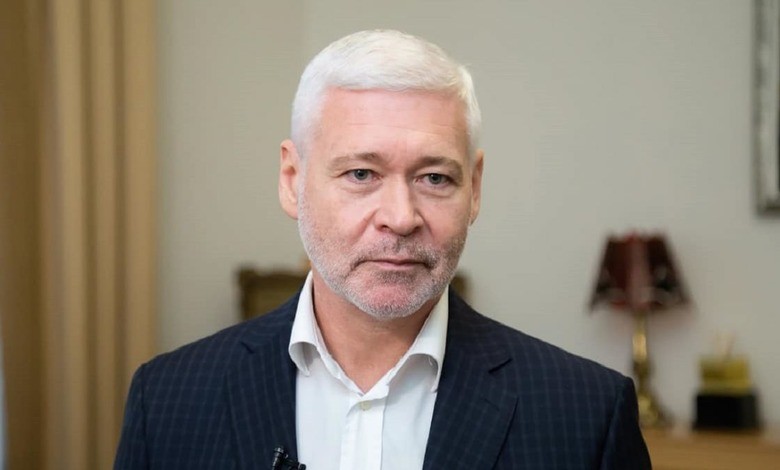

Kharkiv lacks funds to restore housing damaged by shelling, but the city has already managed to rebuild 4,000 out of 10,000 residential buildings, according to Kharkiv Mayor and head of the Association of Frontline Cities and Communities of Ukraine (AFCCU) Ihor Terekhov.
"The destruction in Kharkiv is much greater than in other cities: 160,000 residents were left without a roof over their heads. If we look at the statistics, they are very grim, because nearly 13,000 facilities have been destroyed, including almost 10,000 residential buildings, with private and multi-story buildings accounting for roughly equal shares. During this time, we have restored about 4,000 buildings… Yes, we are seriously lacking funds. We started the restoration using our own resources, then the state provided us with some funding, and I am grateful for what was allocated, but it is still not enough," Terekhov said in an exclusive interview with Interfax-Ukraine.
He noted that this year, "unfortunately, we have not yet received a single hryvnia of state funding for reconstruction."
"There are forecasts and promises, but so far we have received nothing. Nevertheless, we are not stopping; we continue working," the mayor said.
According to Terekhov, Kharkiv has also suffered damage to power generation facilities, critical infrastructure, as well as schools, kindergartens, and hospitals. However, by September 1, the city will have ten underground schools operating.
"Despite everything, we have already built nine schools before September 1, and another one will be completed — we will have ten underground schools. We started exclusively with our own funds, and this was our initiative, our project… Now we are building the first underground kindergarten, and here we already have co-financing between the state and municipal funds," Terekhov said.
The head of the AFCCU said that the underground school project had also been offered to Zaporizhzhia and other cities, emphasizing that this issue requires attention.
"Today, what is critically lacking for reconstruction is, first of all, funding, and secondly, personnel, people, because more than 1,000 of our municipal workers — men and women — have gone to fight during the war. So this is also a serious issue," the mayor said.
Terekhov also said that many architectural landmarks in Kharkiv have been damaged, and not all of them will be possible to restore, "because some have been completely destroyed and cannot be rebuilt."
"But the vast majority can be restored, and it is very important to rebuild them because this is our history, our authenticity. It is important for us today to ensure that we leave architectural monuments for the next generation. This is a huge challenge in terms of funding, but it is also our responsibility," he said.
The mayor suggested that replicas could be built in place of completely destroyed sites.
"We will think about it and consult with people, with Kharkiv residents. We will work on this together with historians and architects. I really want us to restore the architectural monuments that can be restored, and for those that cannot, we need to find a way to preserve history nonetheless," Terekhov said.
He described the destruction of the Kharkiv Art Museum as a terrible event and said that part of the collection that had not been evacuated was lost, despite the fact that a safe storage facility had previously been provided. The mayor noted that the museum itself belongs to the regional authorities rather than the city, but "we did what needed to be done, and we did what we could."
"I very much want all the paintings that were saved to be restored and later, after the war, exhibited in the Art Museum, which I believe should be rebuilt and made into a place where people understand that this is part of the history of the whole world," Terekhov concluded.