

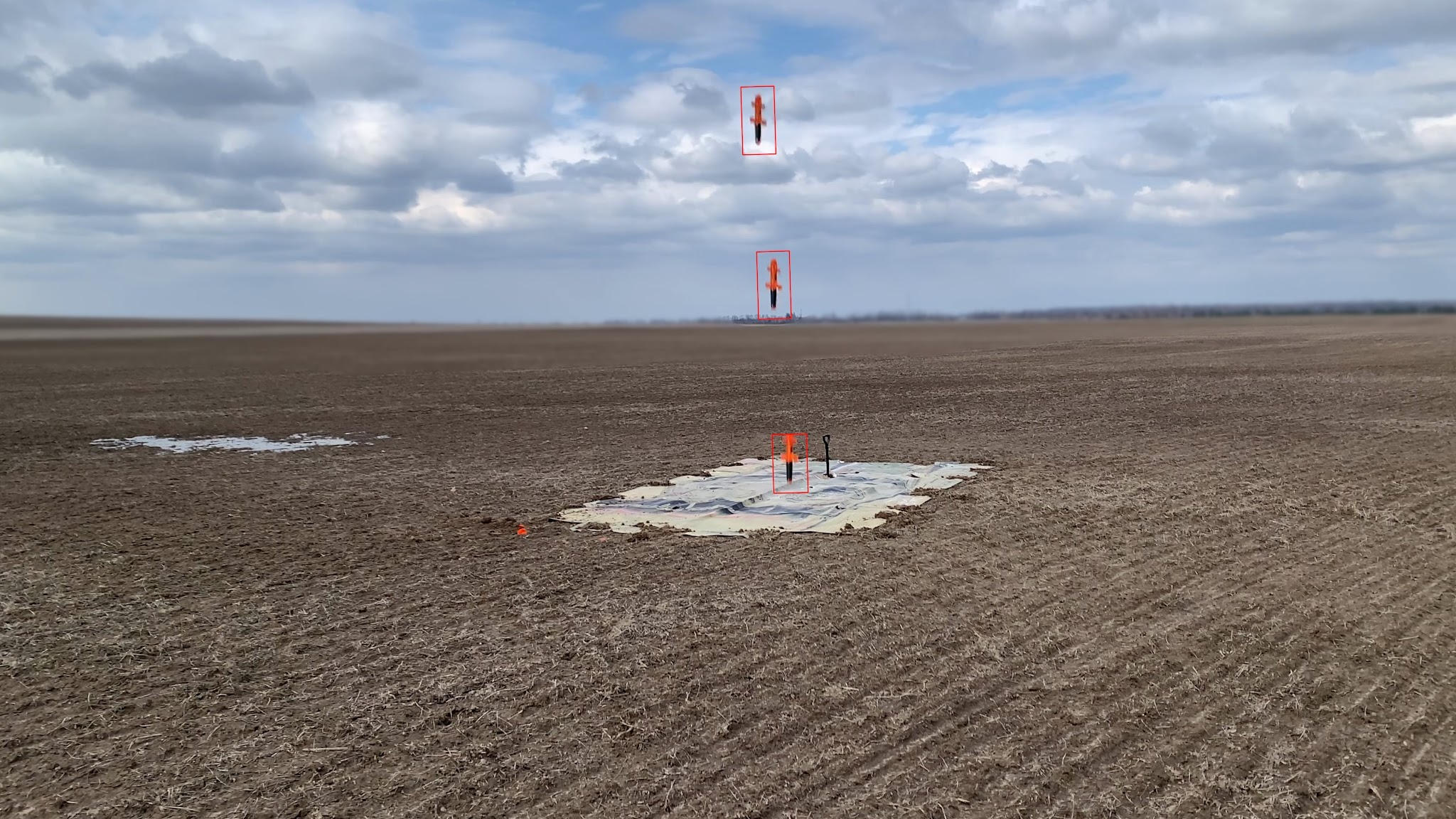

Main image: Testing of a Deftak bomb at a military testing ground, spring 2026.
Ukrainian defence-tech startup Deftak is preparing to launch a serial production line for autonomous munitions designed for multirotor and fixed-wing drones in early 2027. The company is developing munitions equipped with computer vision systems and integrating laser guidance technology in partnership with another Ukrainian startup.
Deftak co-founder and CEO Andrii Romanenko discussed the company's developments in an interview with DOU.
The project began with the development of a GPS-guided munition. Despite the risks of electronic warfare interference, the company secured its first contracts in 2024 and delivered several batches to the front line in response to specific military requirements.
At the same time, the team was developing a computer vision system, which has since become Deftak's main product. The technology enables munitions to guide themselves towards targets using onboard cameras, reaching speeds of more than 100 metres per second without their own propulsion systems.
"First, let me explain how a computer vision-guided bomb works. You tell it where to go, release it, and from that point it navigates using stored information. A carrier can release three bombs against three different targets simultaneously, and all three will reach their destinations without further control," Romanenko explained.
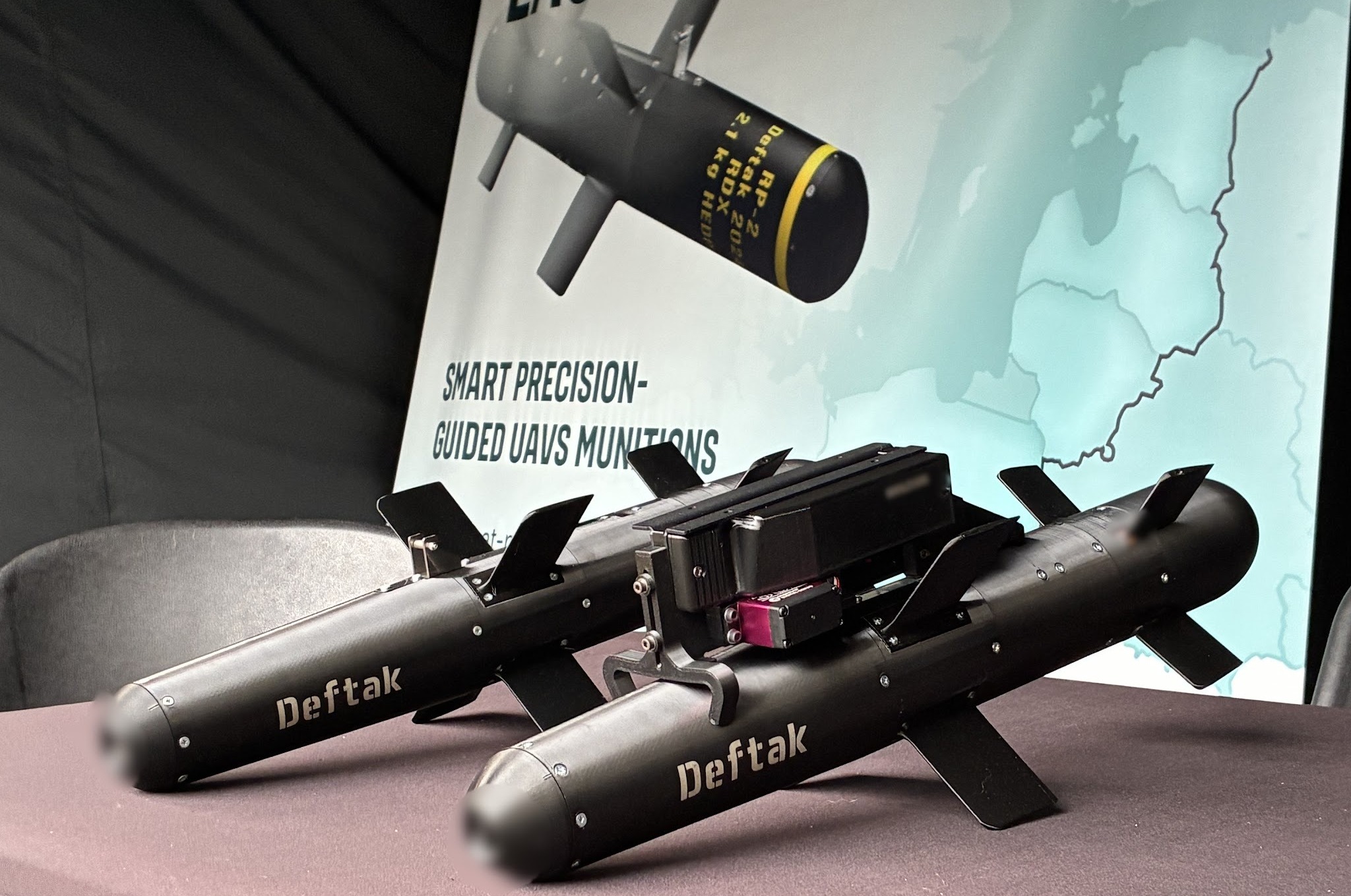
In addition to optical guidance, Deftak is developing laser-guided munitions. Rather than building the technology from scratch, the startup has partnered with a Ukrainian team specialising in laser systems. Their joint product is already undergoing field testing.
According to Romanenko, laser guidance makes it possible to produce munitions at a lower cost than their optically guided equivalents because the most expensive equipment is installed on the reusable carrier platform.
He added that the Ukrainian approach to laser target designation differs significantly from NATO standards and is considerably less expensive than foreign systems.