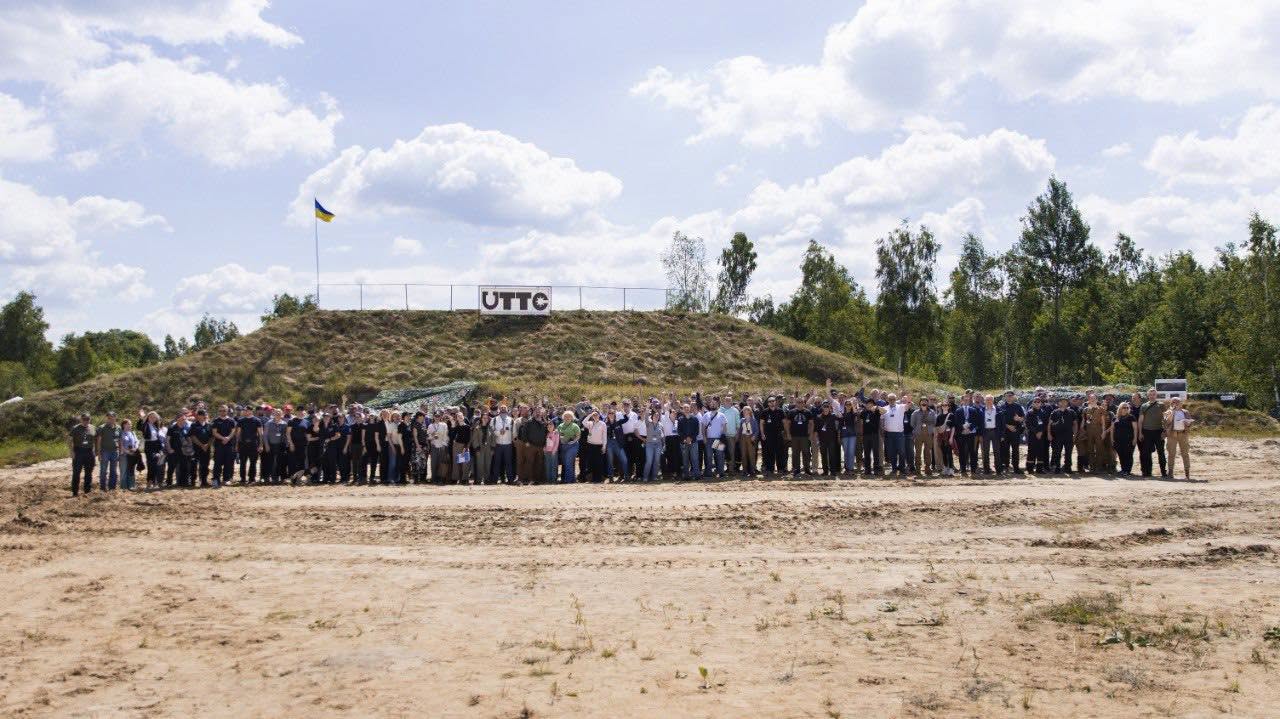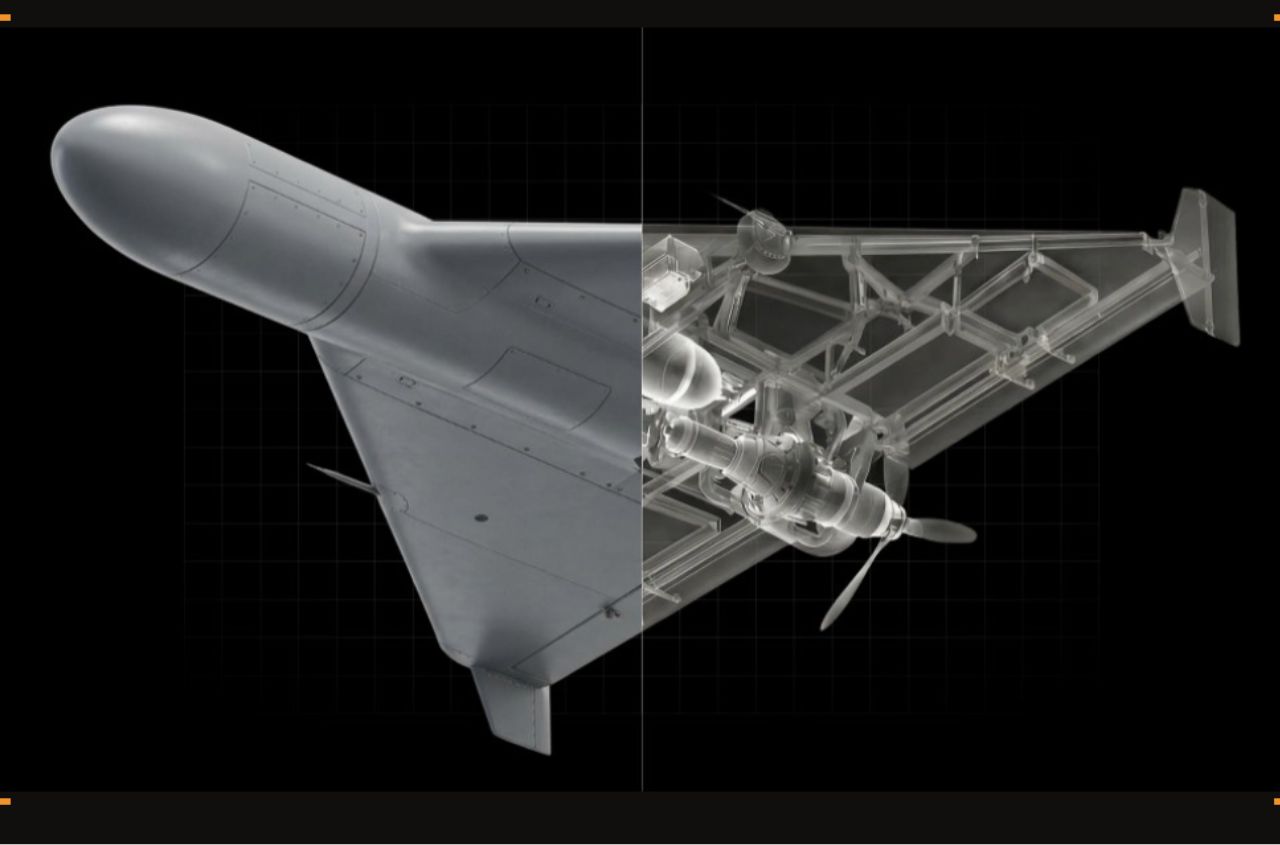




On June 17–18, at the UTTC training and testing complex in Ukraine, mine action operators, technology manufacturers, representatives of government bodies, and international partners tested how certain technologies can be used for humanitarian demining.
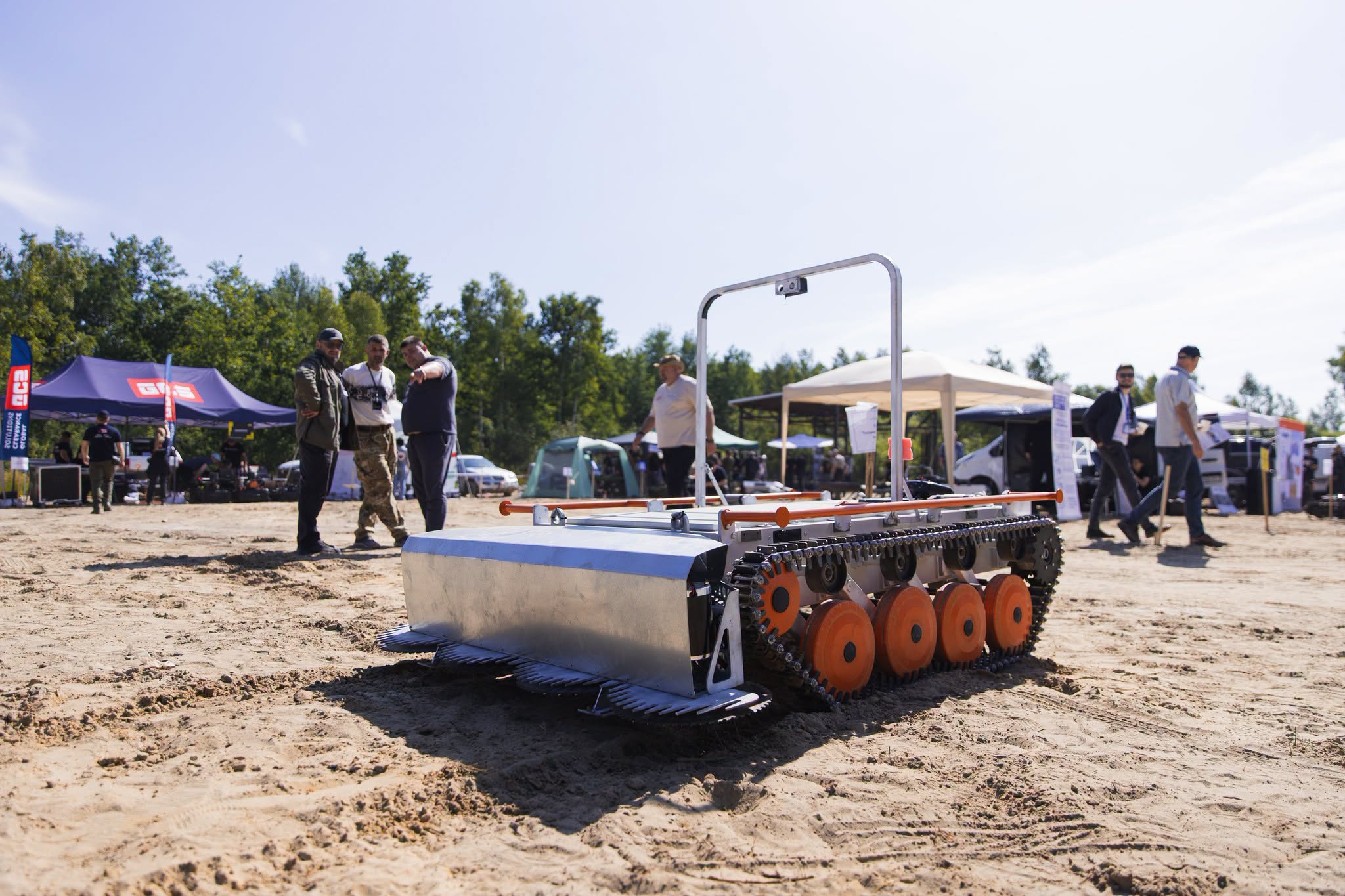
Participants tested drones, robotic systems, mechanized demining machines, artificial intelligence-based solutions, and digital platforms. In different types of terrain, they carried out scenarios of non-technical and technical surveys, detection of explosive ordnance (EO), land clearance, and quality control. The goal was not only to demonstrate individual solutions, but also to assess how they work as part of a unified operational process.
Companies and organizations presenting their developments included Safe Pro AI, UADAMAGE, Minelab, CEIA, Active Alliance, DOK-ING, A3-Tech, Global Clearance Solutions, Robotekhniks LLC, Yu+Mag LLC, J-MAC LLC, Transient Technologies LLC, the state enterprise UkrOboronService, Teploatom Service LLC, Lviv Polytechnic National University, Ukrainian Demining Services (UDS), Kramatorsk Heavy Machine Tool Plant PJSC, Risk Control LLC, SVR-Corp LLC, Postup Services LLC, and Kharkiv Tractor Engineering LLC.
“Even a single, even the most powerful technology will not define the future of demining. What will define it is the ability to combine standards, context, data, drones, robotic systems, machines, and the work of different specialists into a single process. Effectiveness must, of course, be tested in practice. This is exactly the systemic approach we are currently working on in Ukraine. The scale of the challenge pushes us to find unique solutions, and the results obtained may be useful far beyond Ukraine,” said Deputy Minister of Economy, Environment and Agriculture of Ukraine Ihor Bezkaravainyi.
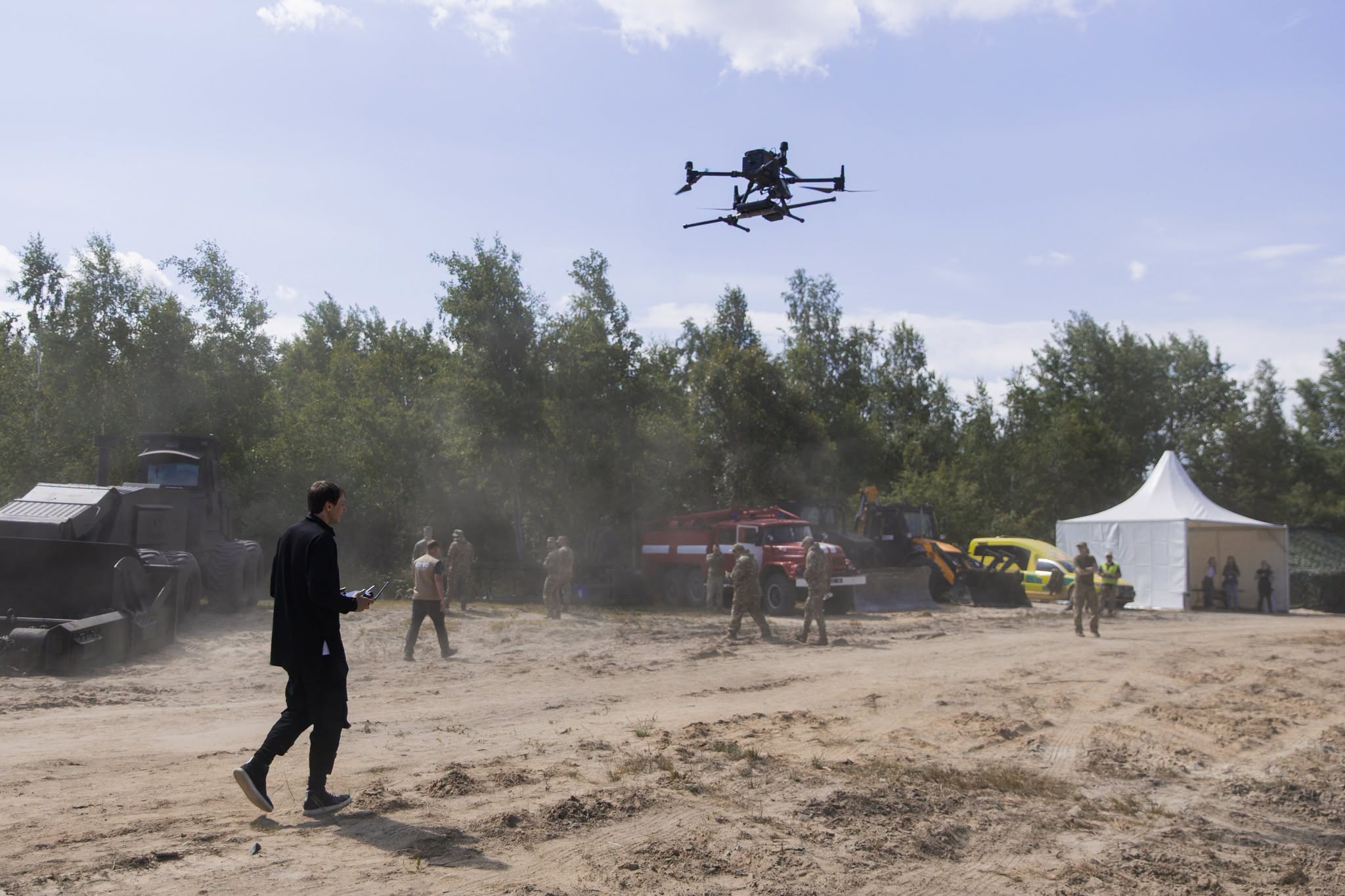
The central event of the first day was the “Technological Relay.” Teams were given scenarios of two allegedly contaminated areas and had to independently select technologies for repeated non-technical and technical surveys, clarification of contamination boundaries, and planning of further work.
The second day of UTTC Technology Week 2026 was dedicated to testing technologies on specially prepared test sites simulating different working conditions for deminers — agricultural land, forests, urban environments, and combat-affected areas. Special attention was paid to the use of remote and robotic solutions to reduce risks to personnel.
In addition, for the first time, the process of searching for, detecting, and removing explosive ordnance in a destroyed building was demonstrated live, carried out entirely using unmanned systems. A UAV inspected the destroyed structure using artificial intelligence, creating a 3D model of the structure and marking the locations of explosive ordnance. At the same time, a ground robotic system equipped with a manipulator cleared its way and safely removed the explosive ordnance.

After the field tests, experts and operators evaluated the results, compared the effectiveness of different approaches, and identified which solutions best complement each other.
Head of the UNDP Mine Action Programme in Ukraine Ben Lark emphasized the importance of supporting innovative solutions and developing equipment for humanitarian demining. He noted that UTTC Technology Week 2026, held with the support of the Government of Luxembourg, brought together operators, manufacturers, representatives of the Government of Ukraine, and partners playing an important role in these efforts.
“Thanks to such cooperation and knowledge exchange, we are making progress. We listen to our partners, take their experience into account, and work closely with the government to ensure our support remains relevant and aligned with Ukraine’s current needs.”
The event was organized by the Ministry of Defense of Ukraine, the Ministry of Economy, Environment and Agriculture of Ukraine, and the UN Development Programme in Ukraine, with support from the Government of Luxembourg. The opening was attended by the Head of the Main Department of Mine Action, Civil Protection and Environmental Safety of the Ministry of Defense of Ukraine Ruslan Berehulia, Deputy Minister Ihor Bezkaravainyi, UNDP Mine Action Programme Manager Ben Lark, as well as representatives of the State Emergency Service, the Ministry of Foreign Affairs of Ukraine, international organizations, and mine action operators.
The conclusions drawn during UTTC Technology Week will help determine the most effective approaches to using technologies in humanitarian demining and will serve as a basis for further testing, improving procedures, and scaling successful solutions.