


The European Union risks losing influence in the South Caucasus at a time when the region is becoming increasingly important for energy security, trade routes, and stability in the wider Black Sea area, according to an analytical report by SCEEUS.
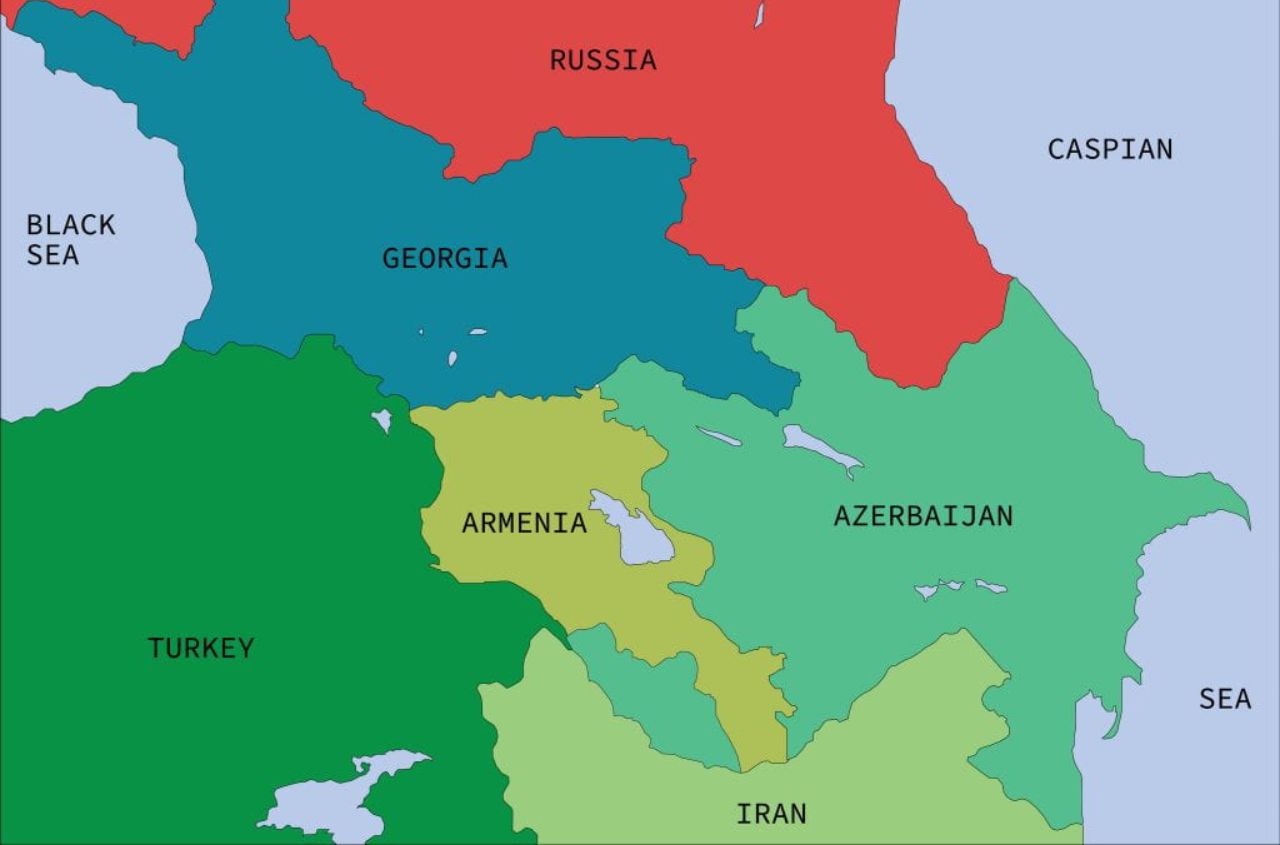
The report notes that following Russia’s full-scale invasion of Ukraine, the South Caucasus has gained renewed strategic relevance for Europe as an alternative corridor linking the Caspian region with European markets through the so-called Middle Corridor and Black Sea infrastructure projects.
While the EU has adjusted parts of its approach — granting Georgia a European perspective, deepening engagement with Armenia, expanding energy cooperation with Azerbaijan, and supporting regional infrastructure initiatives — the authors argue these steps have not developed into a coherent long-term strategy.
Instead, the report describes EU policy in the region as fragmented, slow, and largely reactive.
Georgia is cited as a key example of this shortfall. Despite growing concerns over democratic backsliding and the country’s drift away from its European trajectory, the EU has struggled to formulate a unified and decisive response toward the ruling political forces in Tbilisi.
In Armenia, the EU has found new opportunities for engagement as Yerevan reassesses its reliance on Russia as a security guarantor. According to the report, Brussels has expanded cooperation with Armenia, including areas such as resilience to hybrid threats and foreign interference.
However, the EU has not managed to establish itself as the leading external actor in the Armenia–Azerbaijan peace process. The report says that the United States has taken the lead in recent diplomatic breakthroughs aimed at normalizing relations between the two countries.
The analysis also highlights that reduced Russian influence in the region, driven by the war against Ukraine, has not translated into greater EU dominance. Instead, the South Caucasus has become a more competitive arena with increasing roles for Turkey, China, Gulf states, and other actors.
Turkey is strengthening its position particularly in security and transport connectivity through its partnership with Azerbaijan, while China is expanding its footprint via the Belt and Road Initiative, including investments in strategic infrastructure such as Georgia’s Anaklia port project.
The report warns that continued hesitation by the EU could result in declining trust in Brussels and a loss of strategic leverage in a region closely tied to European energy, trade, and security interests.
It concludes that the EU needs a more proactive approach, including stronger investment, sustained political engagement, participation in peace processes, and a more assertive diplomatic presence.