

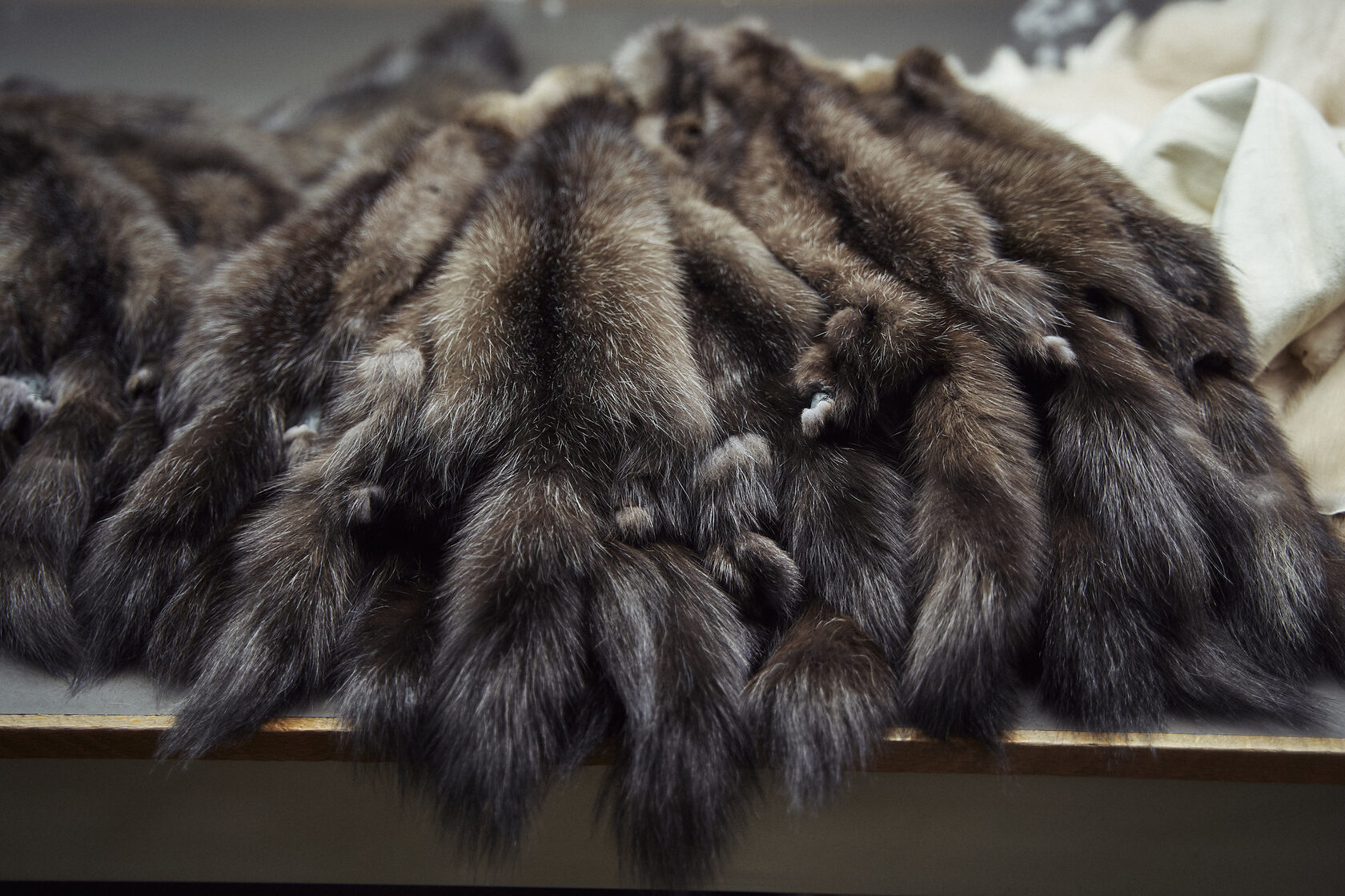

Imports of luxury Russian sable pelts into the European Union may resume after EU member states lifted a ban that had been introduced only in April, according to Euractiv.
The change was included in the latest package of EU sanctions against Moscow, agreed last week.
The European Commission justified the exemption by arguing that Russia dominates the global sable pelt trade, leaving European manufacturers with few alternative suppliers.
"They are apparently very difficult to source anywhere else," a senior EU official said.
Italy and Greece, the two main buyers of Russian sable pelts within the EU, pushed for the exemption, a European diplomat told the outlet.
The sable, a small carnivorous mammal native to the forests of northern Asia, is prized for its exceptionally soft fur and has long been coveted by European luxury fashion houses.
Russian sable fur coats can sell for tens or even hundreds of thousands of euros.
According to Soyuzpushnina, Russia's only international fur auction house, Greek and Italian companies remain among the leading international buyers alongside Chinese and Russian firms.
For example, Italian fur manufacturer Maurizio Braschi purchased the most expensive sable lot at an auction in September 2022 on behalf of the company Braschi, and again in May 2023 for a private client in Moscow, according to publicly available Soyuzpushnina records.
At the same time, imports of finished fur garments into the EU and exports of such products to Russia remain prohibited under sanctions introduced in 2022, alongside other luxury goods such as diamonds and caviar.
In 2022, Greek fur manufacturers strongly opposed those sanctions, warning that they would amount to a death sentence for the industry.
The exemption agreed last week restores access to raw Russian sable pelts, while the export of finished fur garments to Russia remains banned.
The reversal on Russian fur comes as Brussels is still deciding the future of the EU's own fur farming industry.
At stake is a potential EU-wide ban on fur farming following a successful European Citizens' Initiative calling for an end to the practice across the bloc, as well as a ban on the import and sale of fur products.
Fur farms continue to operate in only a handful of EU countries, including Spain, Greece, Hungary, Finland, and Poland, although Poland has already adopted legislation to phase out the industry over the coming years.
However, the European Commission has repeatedly postponed its decision, which had originally been expected in March. A draft proposal indicated that the EU executive is leaning toward strengthening animal welfare rules rather than introducing a ban on fur production and imports.