

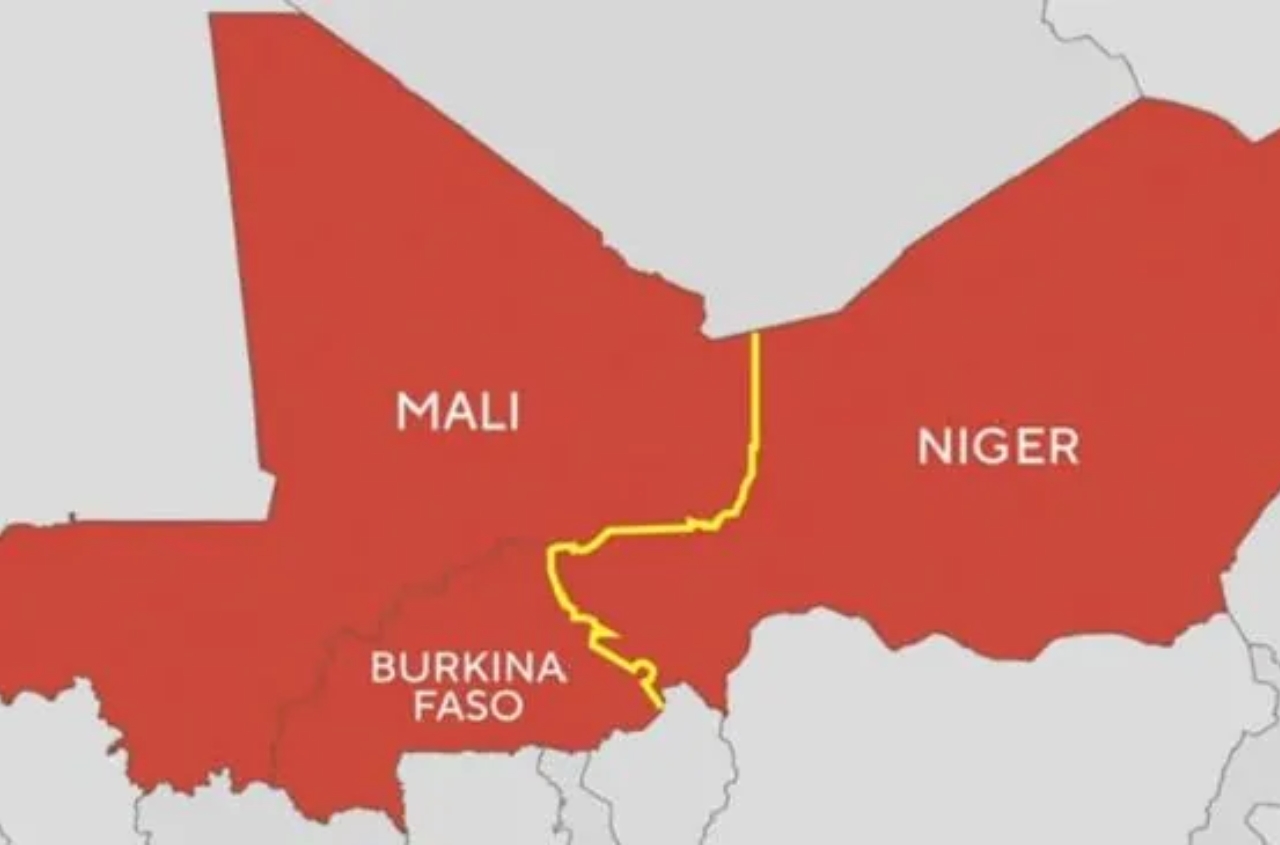

Mali, Burkina Faso, and Niger are accelerating the institutionalization of the “Alliance of Sahel States” (AES) confederation, building their own architecture of security, finance, and information policy outside Western frameworks. At the second AES summit, held on December 22–23 in Bamako, the leaders of the three countries announced the launch of joint armed forces, a development bank, and a confederation television channel.
The key security element is the joint armed forces, FU-AES, numbering about 5,000 troops and formed from units of the three national armies. The force will have unified command, coordination of ground, air, and intelligence components, with headquarters located in Niamey. Formally, its mission is to combat Islamist groups; however, the model itself is positioned as an alternative to ECOWAS mechanisms and Western security presence. This comes amid worsening relations with Nigeria, traditionally seen as the main regional security guarantor.
The economic pillar of the confederation is the AES Investment and Development Bank, with authorized capital of 500 billion West African CFA francs (approximately USD 900 million) and headquarters in Bamako. It is presented as a tool of “sovereign integration” to finance infrastructure and strategic projects without reliance on Western financial institutions. In parallel, the joint television channel AES Television has been launched, whose first broadcast, featuring the leaders of the three countries, had a distinctly ideological tone.
For Moscow, this configuration opens additional space for influence in the spheres of security, finance, and information without assuming formal obligations. At the same time, the logic of the AES suggests that the Sahel states seek to maintain maximum autonomy: using external partners situationally while retaining full control over decision-making. Local regimes are characterized by political inconsistency, rapid shifts in priorities, and a pragmatic willingness to abandon agreements once they cease to be beneficial. In this configuration, Russia may expand its presence but risks encountering the same practices of opportunism and betrayal previously faced by other external actors.