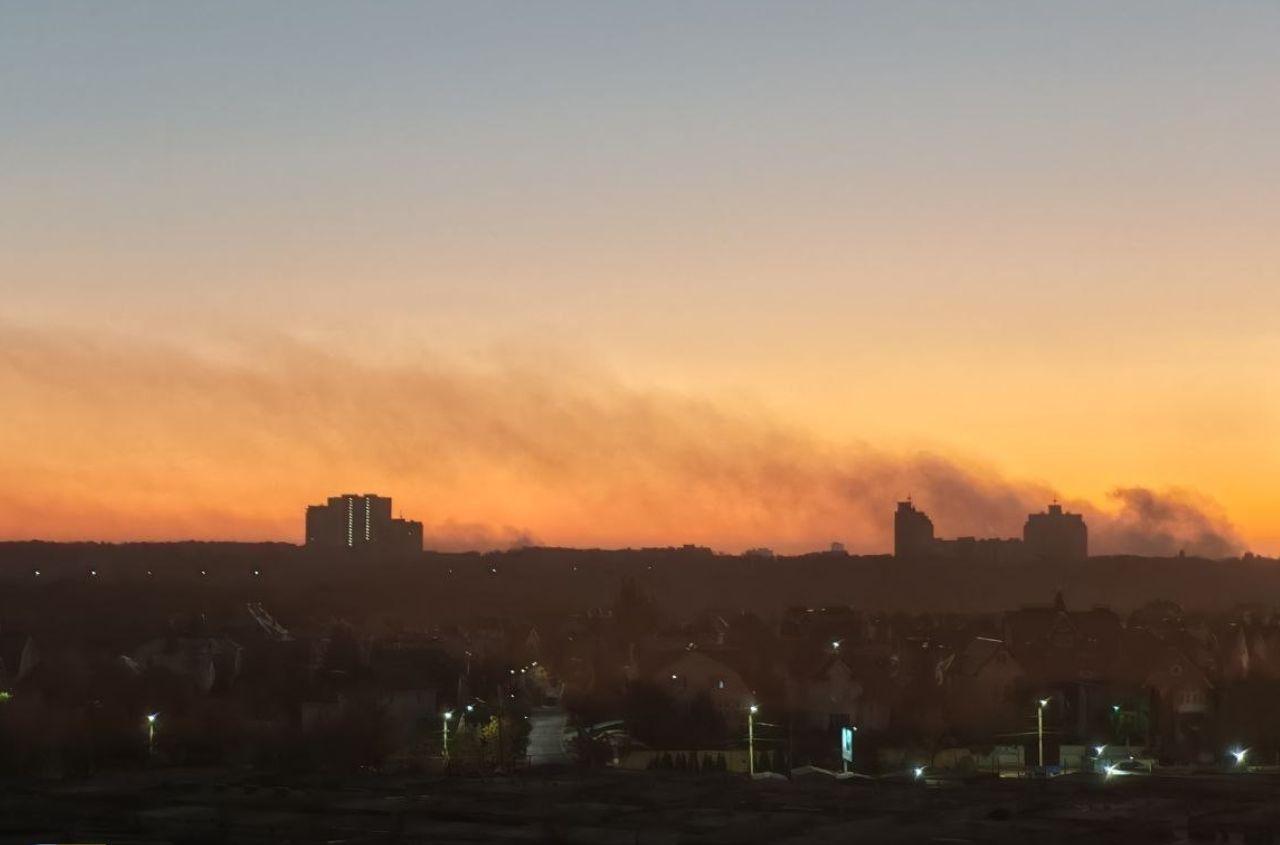


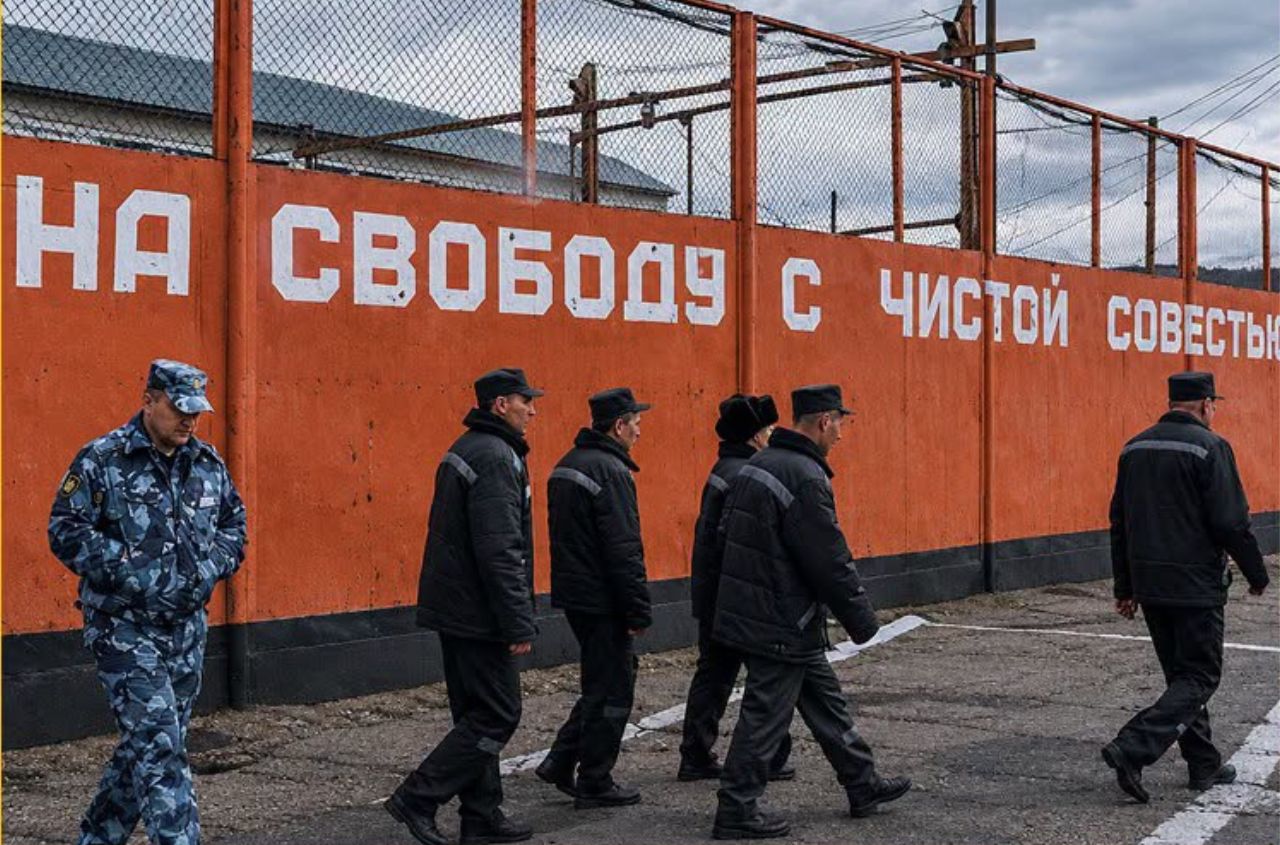

Russian forces are turning the occupied territories of Ukraine into criminal enclaves.
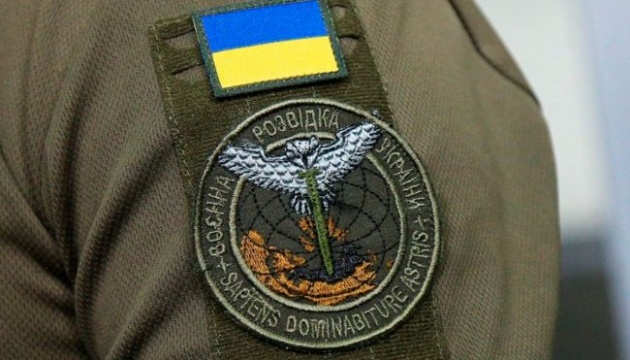
This was reported by the Defence Intelligence of Ukraine (DIU).
"The situation in the temporarily occupied territories of Ukraine is deteriorating. Russian forces are effectively turning these regions into criminal enclaves where banditry and lawlessness prevail," the statement said.
The catastrophic situation in the occupied territories is acknowledged even in Russia's classified reports and assessments.
In particular, Moscow considers several factors to pose risks to its control over the seized territories: illegal trafficking in weapons and explosives; chronic alcoholism among Russian military personnel, leading to street confrontations and violent clashes; a growing number of cybercrimes; and the embezzlement of public funds, which are being allocated in increasingly smaller amounts to the so-called "administrations" because of Russia's economic difficulties.
The local population lives in constant fear due to a strict counterintelligence regime, the threat of violence from Russian military personnel accused of war crimes, and repression by security agencies. This further fuels negative attitudes towards Russian forces.
Meanwhile, living standards continue to decline. Poverty, destruction, unemployment and shortages of food, medicines, fuel and other essential supplies are accelerating the departure of residents.
Against this backdrop, Russia is attempting to intensify positive propaganda, particularly regarding so-called "socio-economic projects", "programmes to increase birth rates" and similar initiatives.
At the same time, Russian authorities are seeking to isolate residents of the occupied territories as much as possible from alternative sources of information, including those designated as so-called "foreign agents" in Russia.
"To strengthen control over the occupied territories, the Kremlin leadership also intends to increase oversight of Russian-installed administrations, including collaborators holding positions within these bodies. Moscow does not fully trust even the most pro-Russian among them," DIU noted.