


The future architecture of European security must go beyond the borders of the European Union and include cooperation with the United Kingdom, Norway, Turkey, and Ukraine.
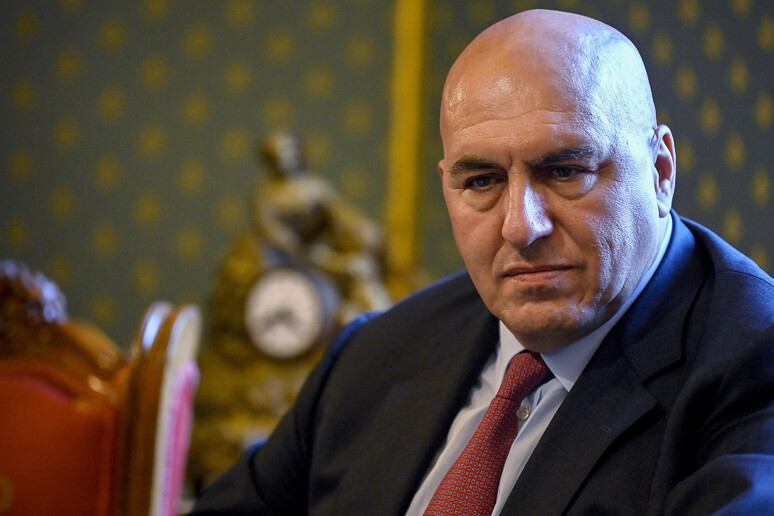
Italian Defence Minister Guido Crosetto made the statement in an interview with the Italian newspaper La Stampa, as reported by Türkiye Today.
“Long-term solutions must include strengthening defence capabilities that are not limited only to the borders of the EU, but are truly continental in scope and involve partnerships with the United Kingdom, Norway, Switzerland, Moldova, the countries of the Western Balkans, Turkey, and Ukraine,” Crosetto stressed.
According to the minister, European governments can no longer plan the development of defence capabilities based on a 10–15-year timeframe, because the security environment is changing much faster.
Crosetto also noted that Europe must take into account signals indicating a possible gradual reduction of the US military presence on the continent due to Washington’s strategic shift toward the Indo-Pacific region.
“Governments can no longer limit themselves to planning capabilities that will be available in ten or fifteen years, when the situation will have completely changed,” the Italian defence minister said.
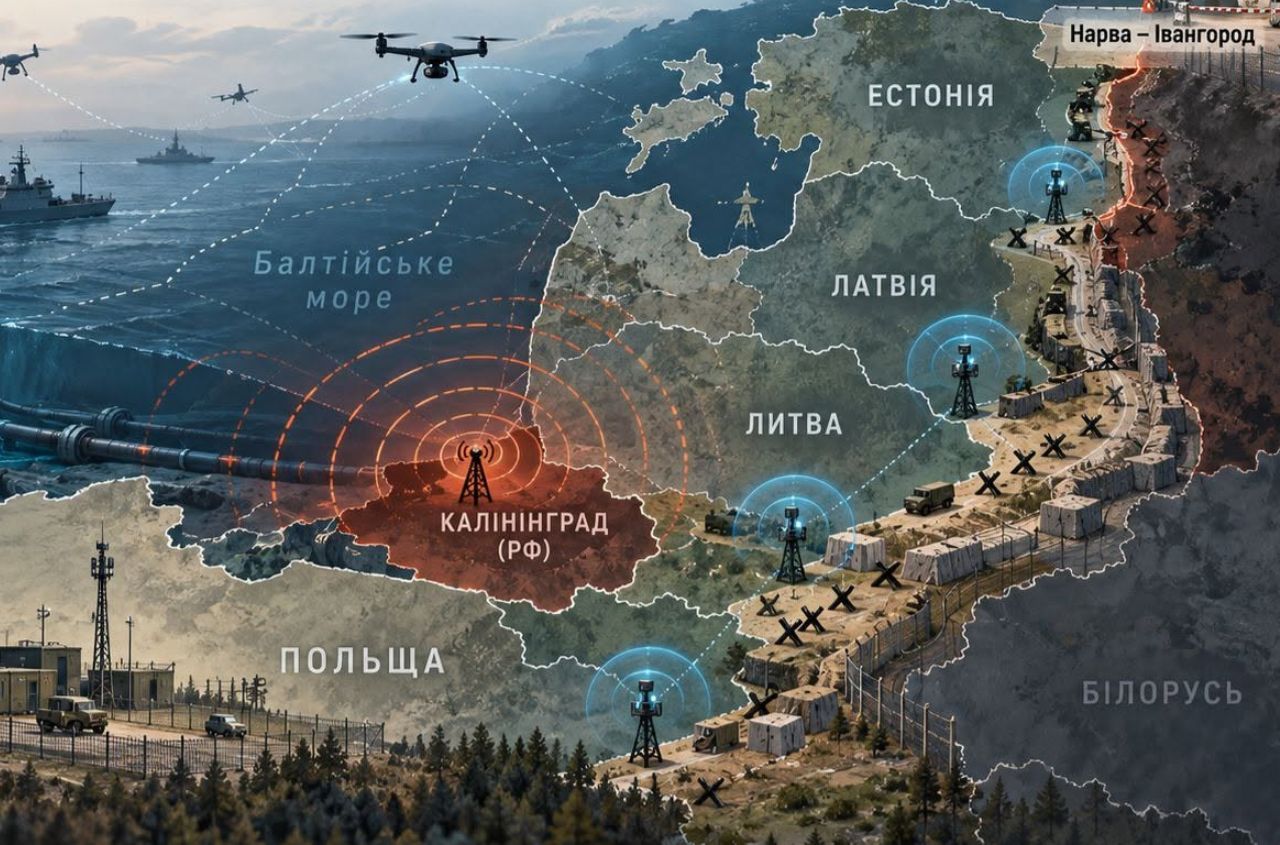
It is noted that Minister Crosetto’s statements are based on a strategic document of the Italian Ministry of Defence, which defines the country’s defence policy priorities for the 2027–2029 budget cycle. The document identifies the development of satellite communications as one of the key objectives, highlights the need to strengthen the protection of underwater critical infrastructure, and places significant emphasis on cybersecurity and countering disinformation.
“A national and European centre for countering hybrid warfare must be created,” Crosetto stated.
According to him, such a structure should ensure more effective exchange of information and tools among allies to combat cyberattacks, propaganda, information manipulation, and other hybrid threats.