

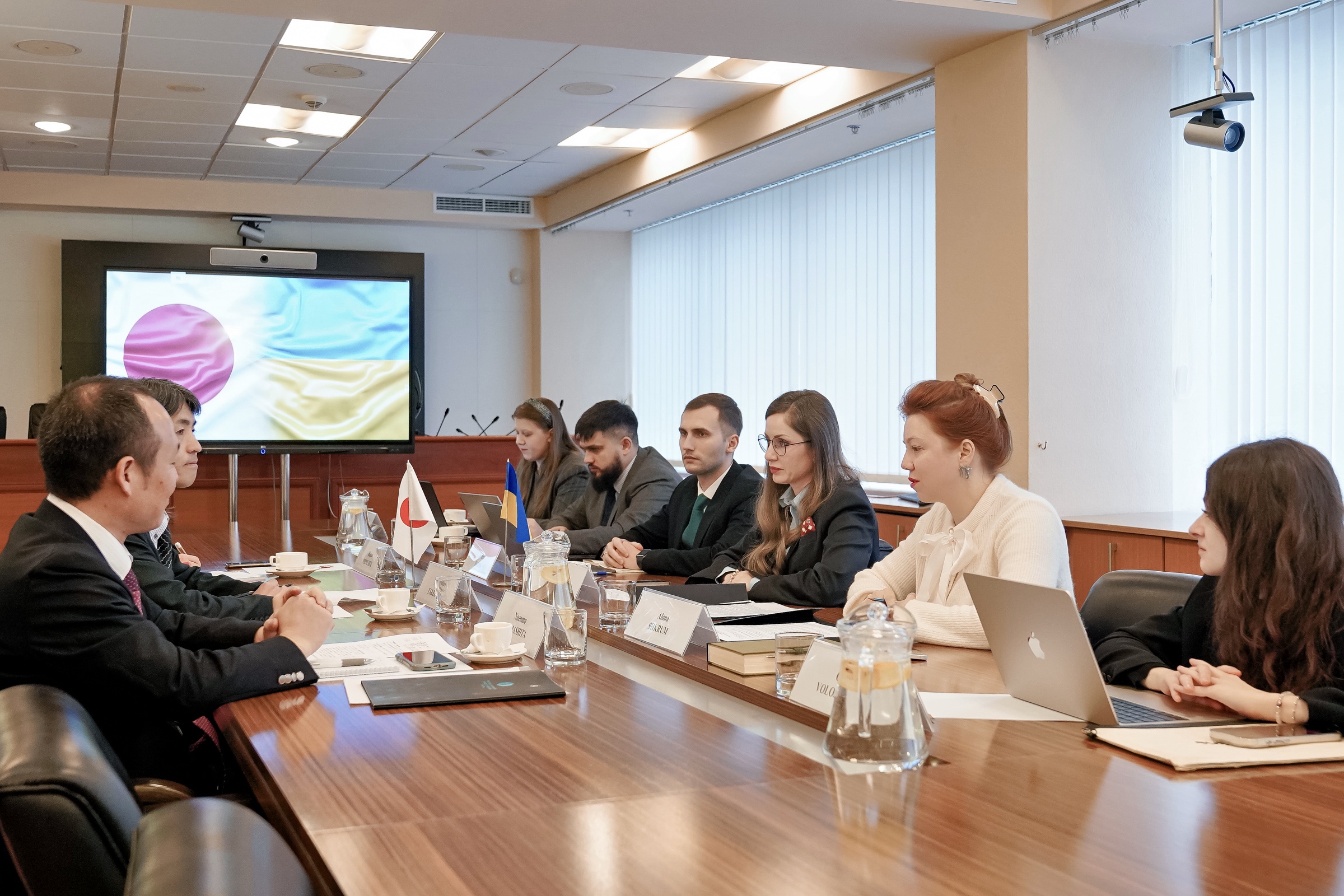

The Ministry for Communities and Territories Development of Ukraine held a meeting with Masahiro Takehana, Deputy Head of Mission of the Embassy of Japan in Ukraine. The Ministry was represented by First Deputy Minister Alyona Shkrum and Deputy Minister Maryna Denysiuk.
The key announcement at the meeting was the transfer of previously announced grant funds totaling 8.8 billion Japanese yen (approximately €47.7 million) under Phase 4 of the Emergency Recovery Program.
These funds will be allocated to support humanitarian demining, maintenance of energy infrastructure, restoration of water supply systems, improvement of community infrastructure in the regions, support for public health and safety projects, and the provision of educational services.
“We highly value Japan’s unwavering support. The allocated 8.8 billion yen is a real contribution to the security and basic living conditions of Ukrainians. Directing these funds specifically to demining, energy, and water supply will help strengthen the resilience of communities. We are grateful to the Government of Japan for understanding our priorities and for its swift response to urgent recovery needs,” emphasized Deputy Prime Minister for Recovery and Minister for Communities and Territories Development Oleksiy Kuleba.
The Japanese side also reported that Japan’s Parliament has approved an additional budget, enabling the continuation of grant projects under Phase 5 of the Emergency Recovery Program and the provision of technical support for projects in Ukraine.
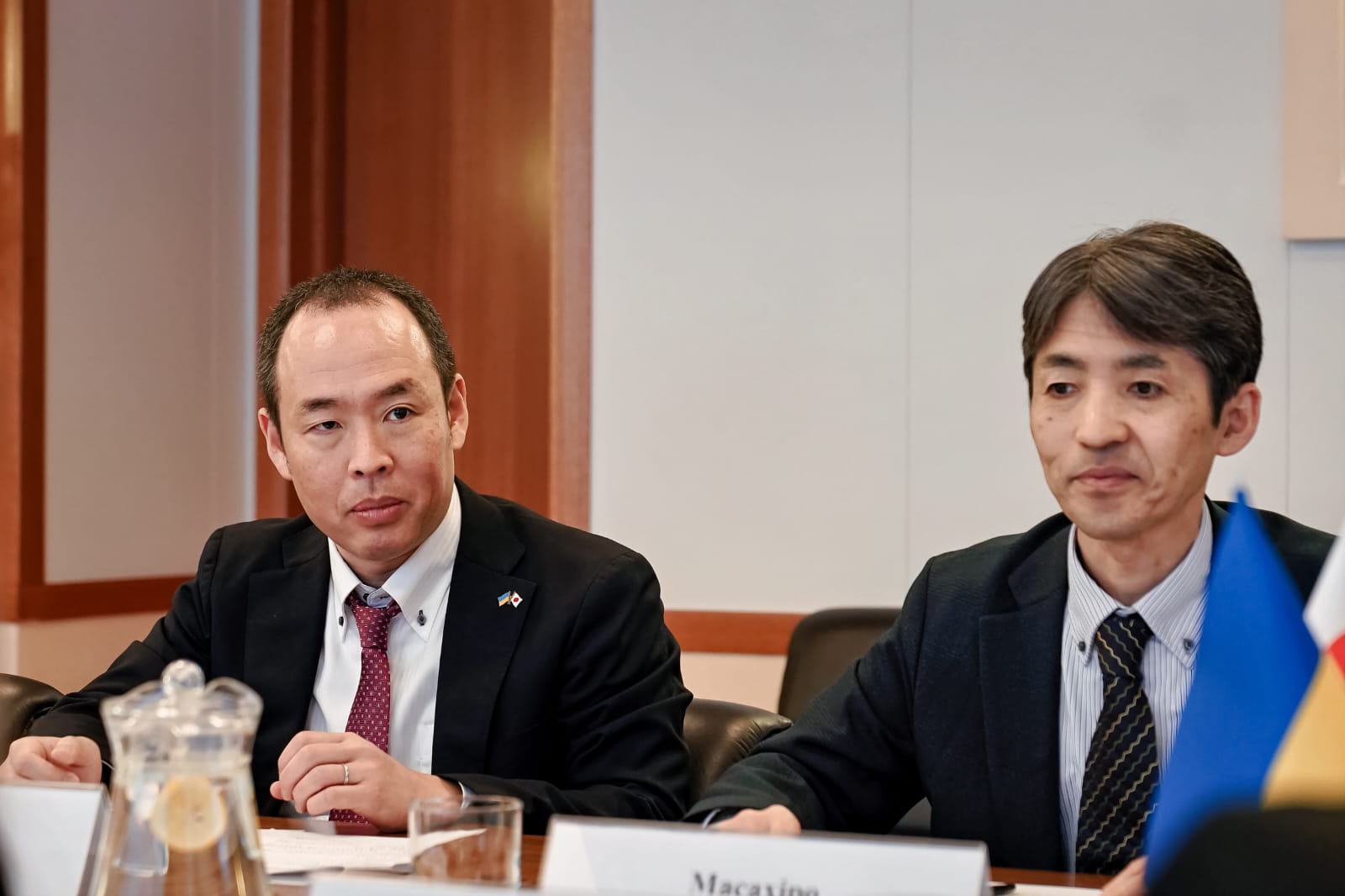
“Japan remains one of our key strategic partners, and this decision on new funding is further proof of that. The grant assistance we receive allows us to address critical needs where they are most urgent—in frontline communities,” noted Alyona Shkrum.
The parties also discussed the implementation of joint projects, the activities of the JUPITeR platform, and the current status of grant assistance from the Japan International Cooperation Agency (JICA). In particular, they discussed preparations for the Second JUPITeR Mission and the selection of companies that will visit Ukraine in March next year.
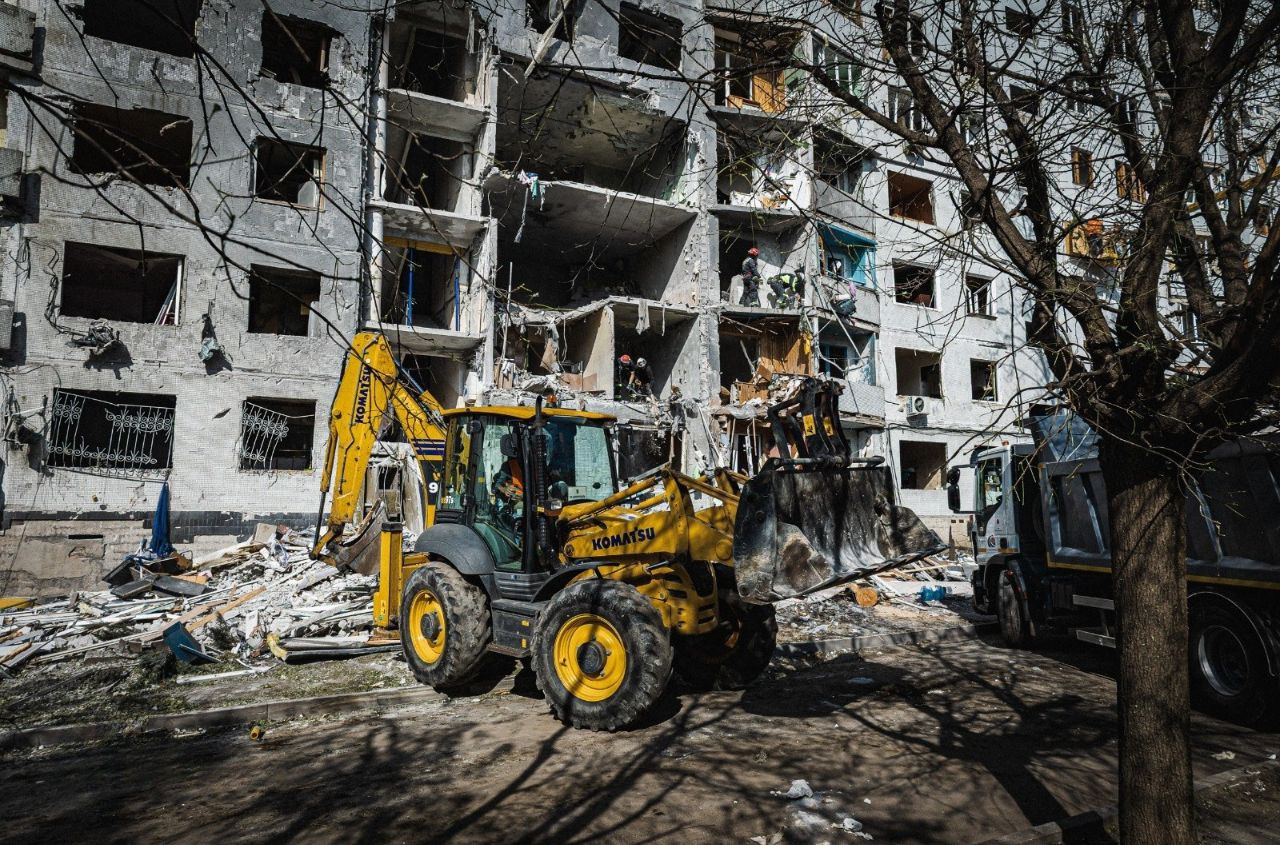
“For us, it is important that cooperation with Japan through JICA is transforming into concrete assistance where it is most needed. Heavy machinery is already operating in frontline areas of Sumy, Zaporizhzhia, and Chernihiv, ensuring the functioning of cities. The launch of Phase 5 of the grant support project will allow us next year to focus on housing projects for internally displaced persons, restoration of port infrastructure, provision of heavy construction equipment with remote-control capabilities, and more,” said Maryna Denysiuk.
Housing reconstruction was identified as one of the key priorities for further cooperation. Japan has established a special housing reconstruction task force, which invites private companies operating in this field to participate. Next year, a series of technical consultations is planned to introduce Japanese technologies into housing construction in Ukraine.
In addition to housing construction, the parties discussed Ukraine’s needs in transport logistics, energy efficiency, and the protection of critical infrastructure within the Emergency Recovery Program. Plans for joint cultural initiatives in the field of memorialization were also outlined.