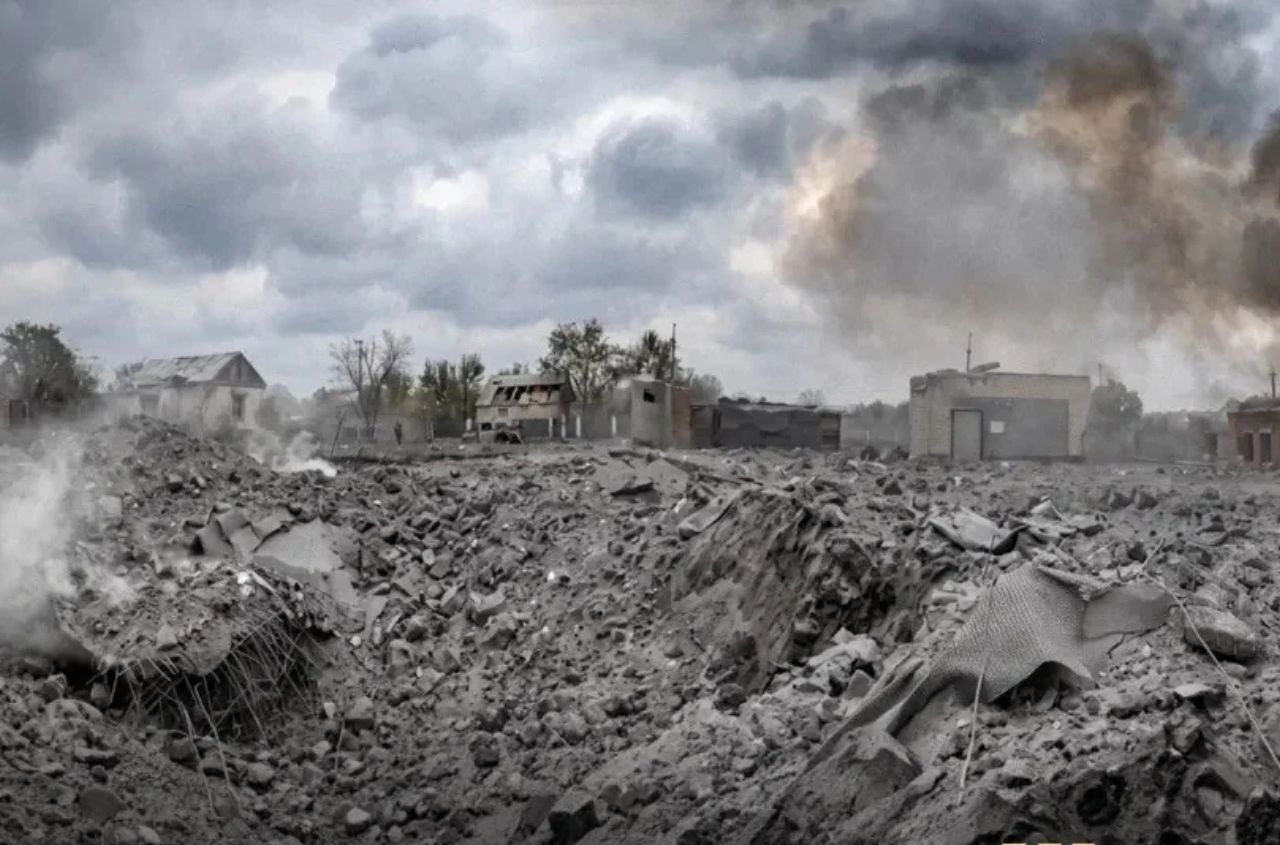


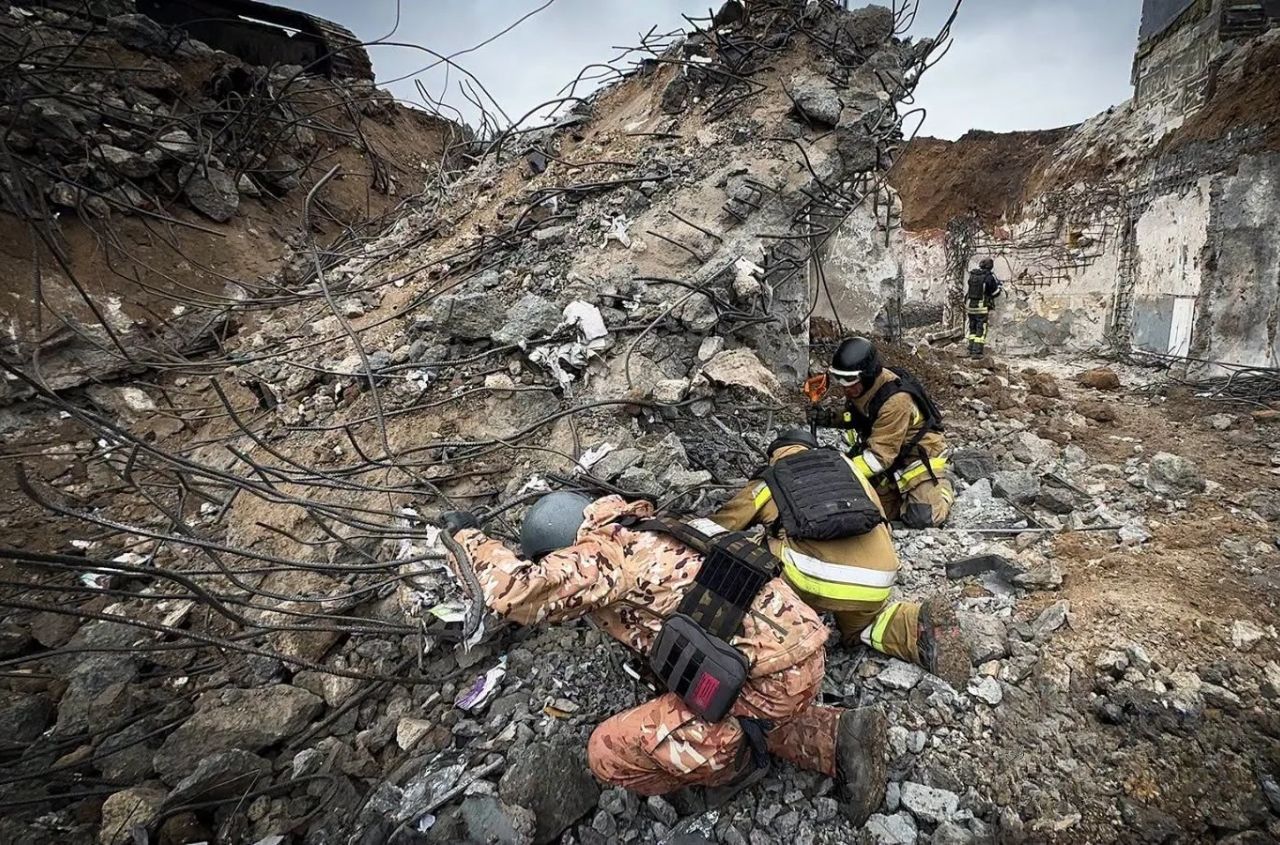

The death toll from the Russian military's strike on Komyshuvakha in the Zaporizhzhia region on 2 November has risen to 72. Search and rescue operations have been completed, while four people remain missing.
Ukraine's Interior Minister Ivan Vyhivskyi announced the updated figures.
"Unfortunately, the shelling of Komyshuvakha on 2 November 2026 became one of the deadliest attacks of the full-scale war. Seventy-two people were killed, including rescuers, police officers, employees of a secondary school and an administrative services centre, municipal workers and healthcare personnel," the minister said.
Among those killed was a teacher who came to a shelter every day to conduct online lessons for children who had evacuated from the community.
Vyhivskyi stressed that rescuers and police officers had worked for two weeks under the constant threat of further Russian attacks.
During this period, Russian forces carried out 11 strikes on the settlement, including nine attacks directly targeting the search and rescue site.
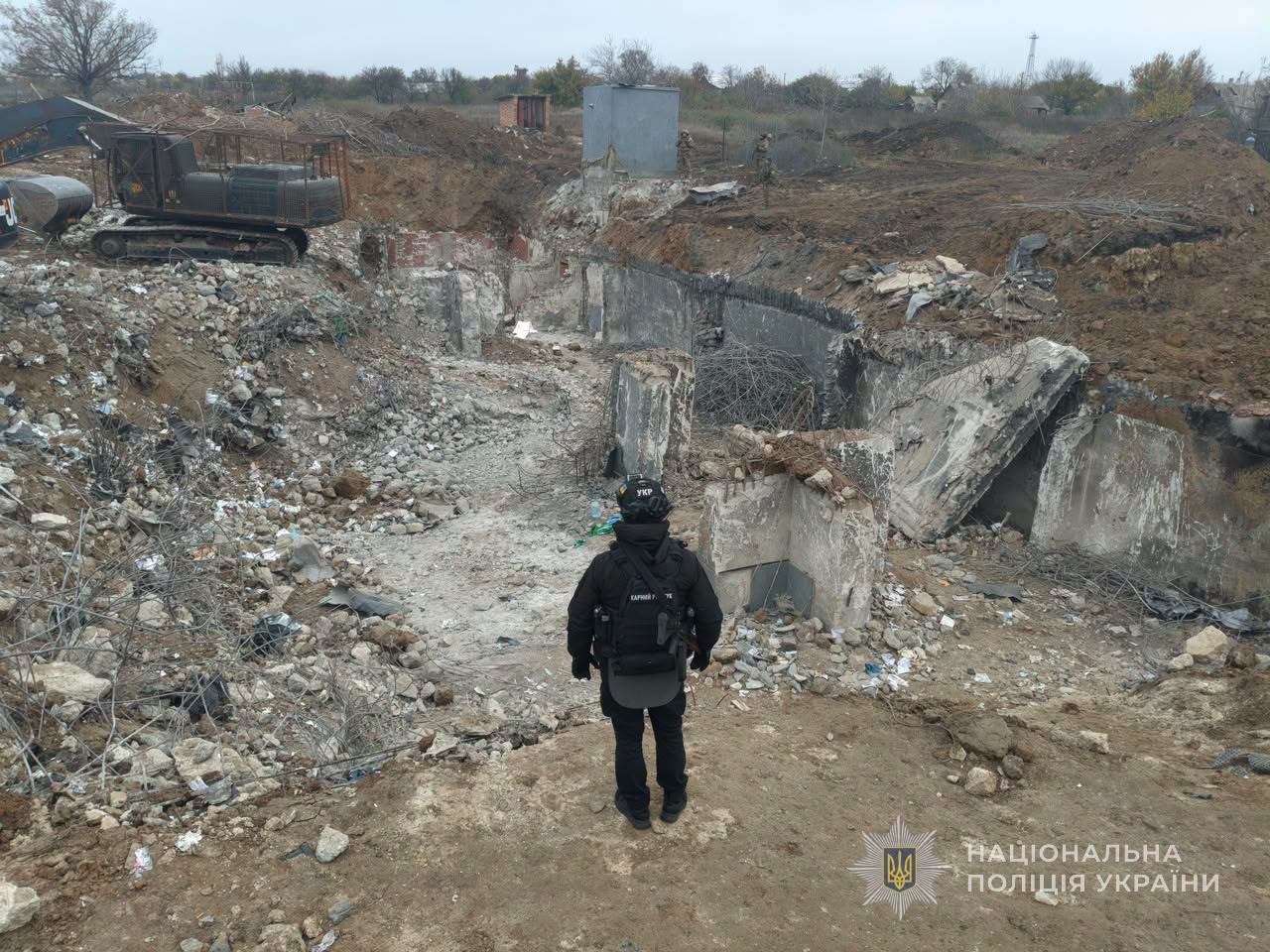
Three police officers and four rescuers were injured in these attacks, while rescue equipment was also damaged.
"We deployed engineering equipment and canine teams to clear the rubble and recover the bodies of those killed. Forensic experts worked continuously, conducting dozens of DNA tests. Four people remain missing," Vyhivskyi reported.
According to the minister, four people rescued in the first hours after the Russian strike remain in hospital under medical supervision.
The interior minister thanked the police officers, rescuers, volunteers and military personnel who had worked at the site throughout the two-week operation, just a few kilometres from the front line and under constant threat to their lives.
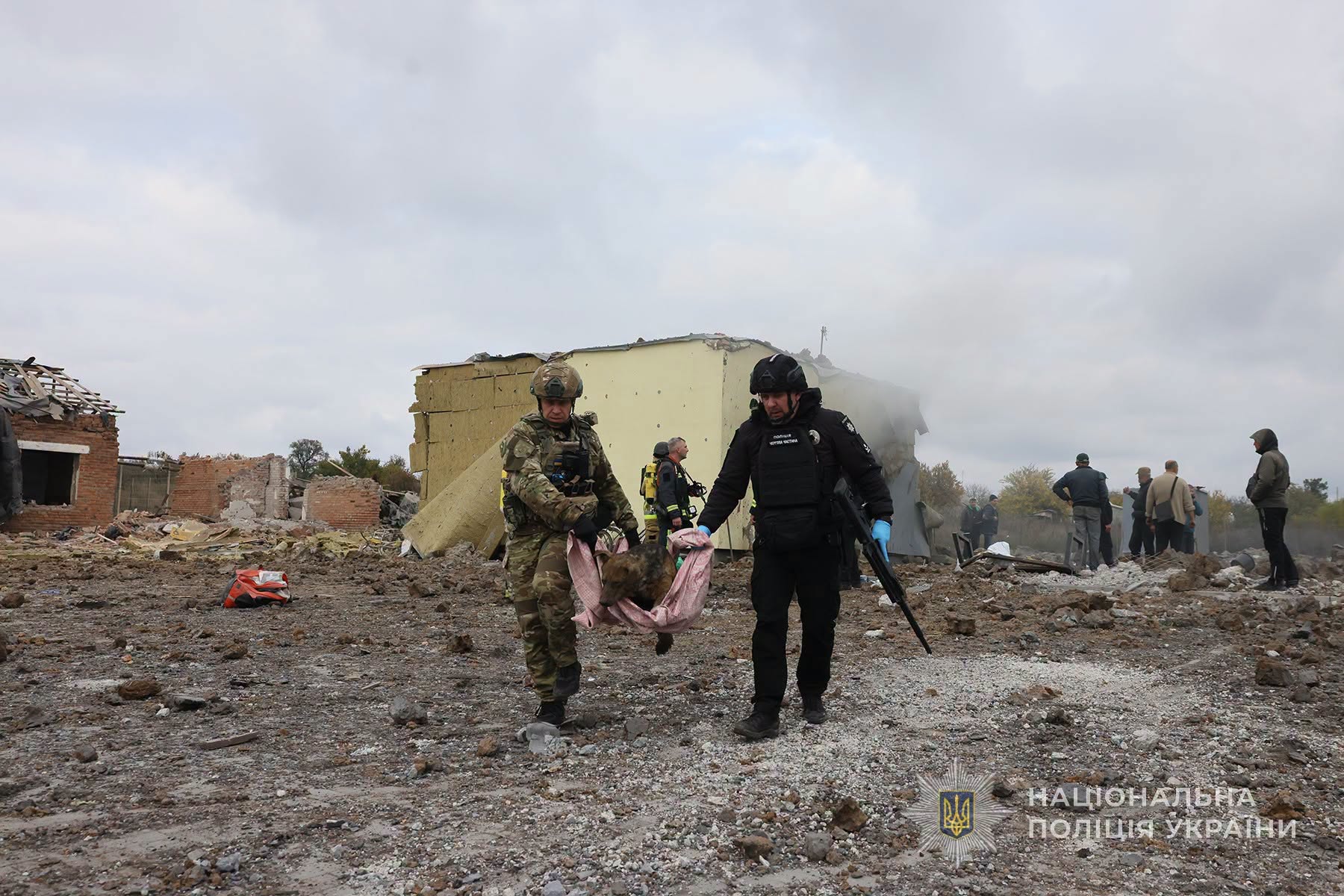
Ivan Fedorov, co-chair of the Zaporizhzhia Regional Defence Council, clarified on Telegram that rescuers had recovered 58 bodies from beneath the rubble, while one person died in hospital.
The deaths of another 13 people were confirmed through DNA testing.
"2 November 2026 will forever remain a day of tragedy, remembrance and mourning for the entire Zaporizhzhia region," Fedorov stated.