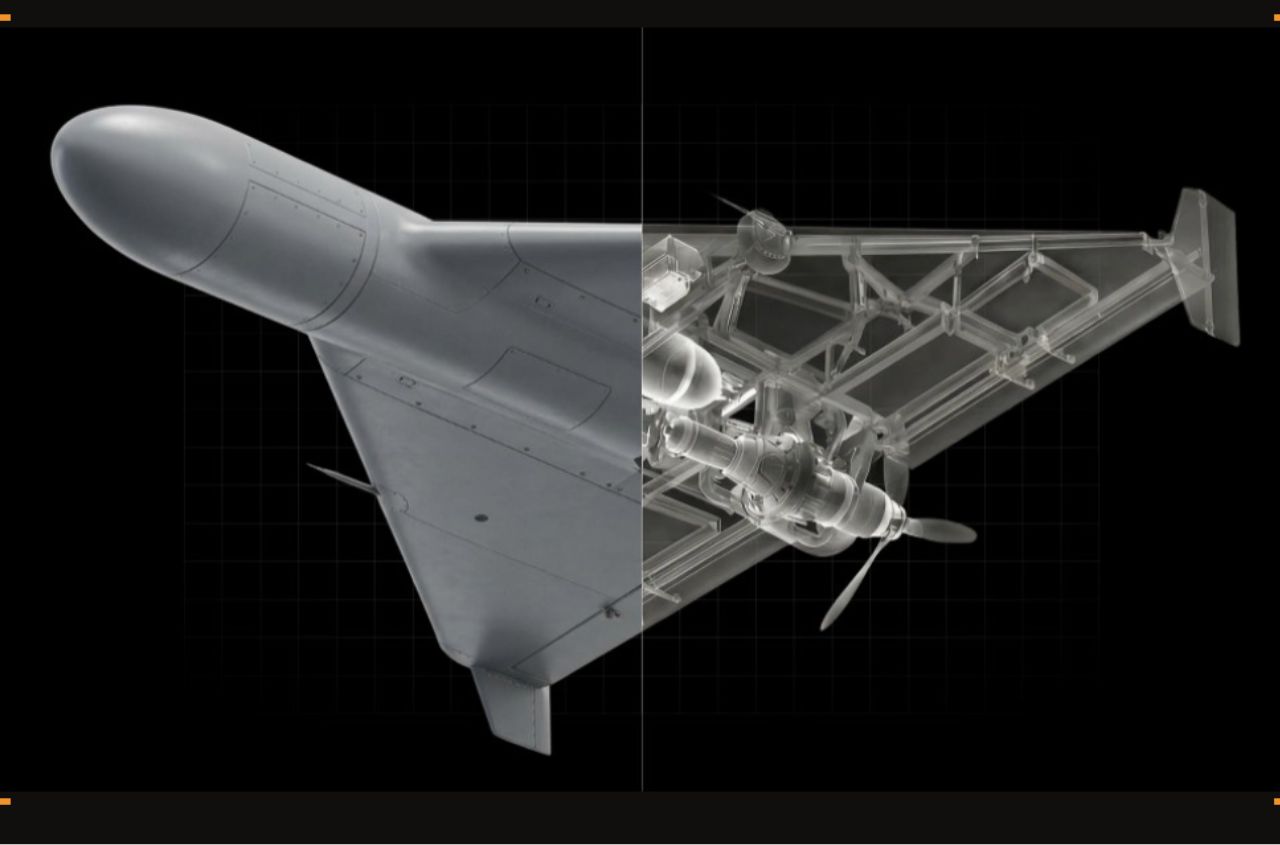


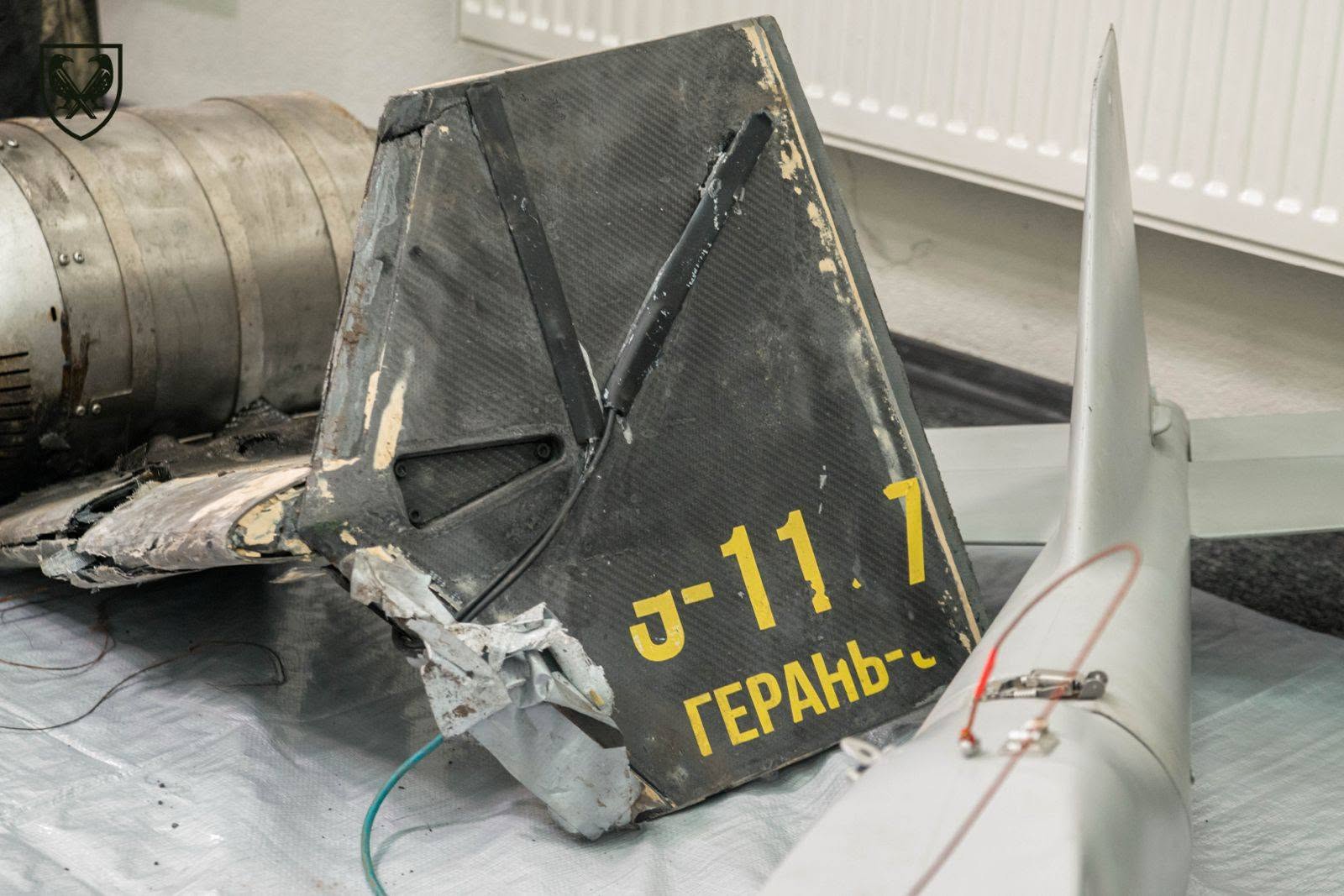

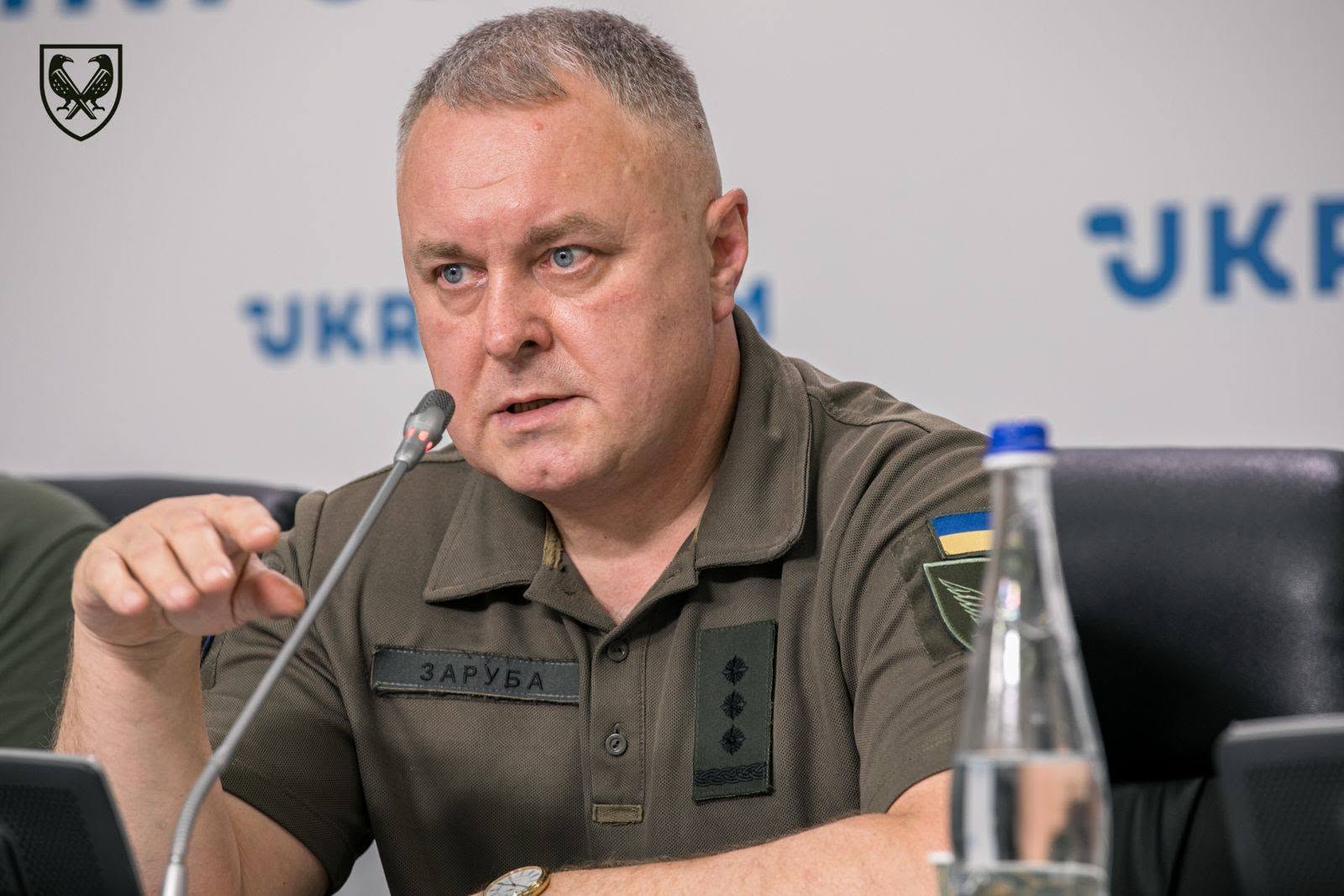
About 50 components in each Shahed drone are manufactured in China and Taiwan, while in 2026 there has been an increase in the use of jet-powered Shahed drones against Ukraine, said chief scientific researcher at the State Research Institute for Testing and Certification of Weapons and Military Equipment, Colonel Oleksandr Zaruba.
He presented the information at a briefing titled “The use of Russian air attack means against civilian infrastructure: technical and humanitarian aspects,” along with a presentation on the evolution of Shahed-136 / “Geran-2” drones and their monthly usage trends in 2026.
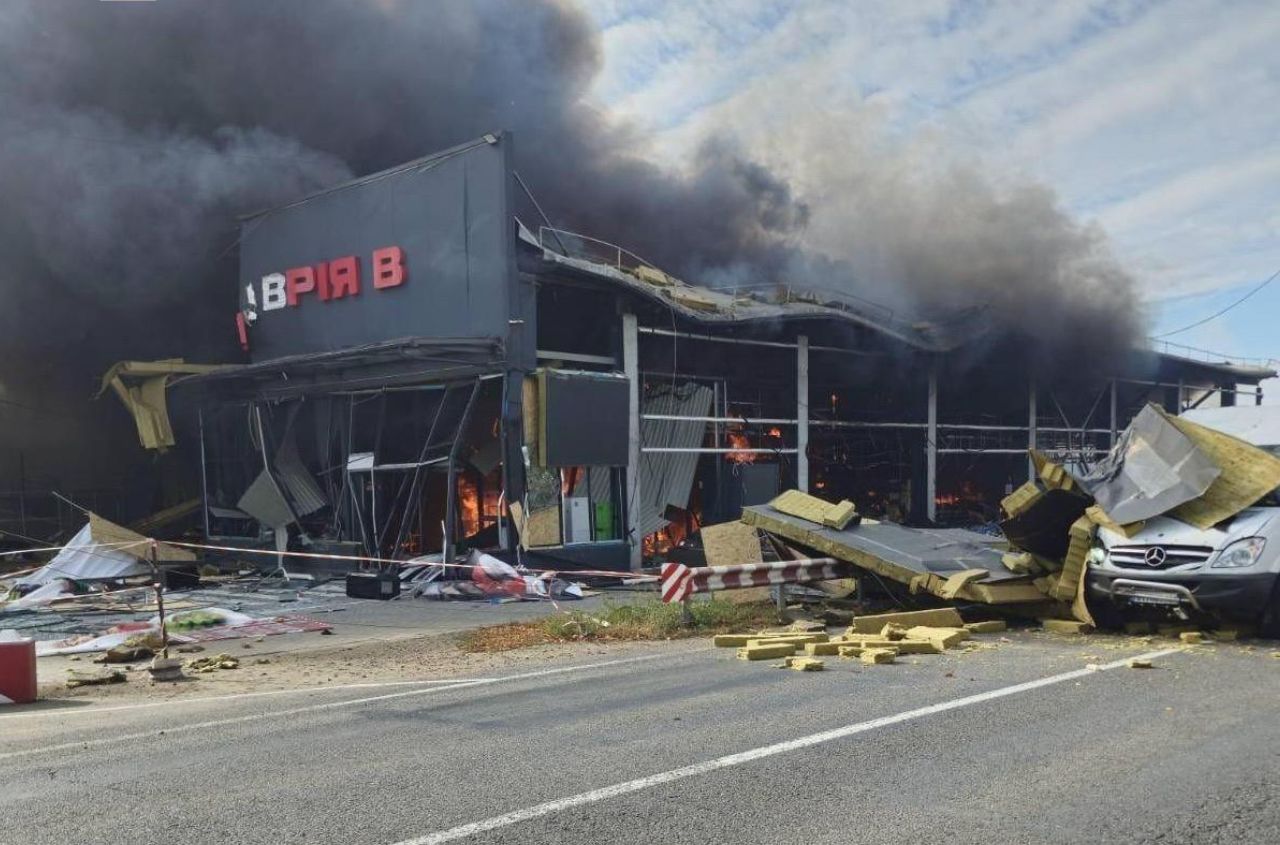
According to him, the use of these UAVs has been increasing, including strikes such as the attack on a spent nuclear fuel storage facility on June 7.
The colonel noted that the first documented use of Shahed-136 occurred in September 2022, with mass deployment beginning in October 2022. Mass production was launched in July 2023, and today production is carried out in multiple locations and in several modifications.
He said UAV manufacturers are using modern electronic components and improving flight control systems for more precise positioning. There are also clear differences in electronic components between 2022–2023 models and current ones, with increasing use of Chinese-made parts alongside components from Japan, Taiwan, Germany, and the United States.
From mid-2023, a four-patch CRPA satellite navigation antenna was introduced. Today, 12- and 16-patch antennas are being observed. Recent modifications also include 4G modems capable of using Ukrainian SIM cards to adjust routes in real time via mobile networks, as well as SIM cards from other countries.
Since early 2025, Shahed-2 (“Geran-2”) equipment has increasingly included mobile modems, mesh systems, antenna devices for data transmission, Raspberry Pi microcomputers, power banks, and cameras, suggesting attempts to use the platform for reconnaissance and data transmission, including information about electronic warfare systems.
Regarding the jet-powered Shahed-238 / “Geran-3,” Zaruba said its first use was recorded in January 2024. The main difference is a turbojet engine designed to increase speed and complicate air defense interception.
He added that the Geran-4 has improved aerodynamic design and a more powerful turbojet engine with up to 160 kg of thrust, making it faster and more difficult to intercept.
Zaruba also mentioned the development of the Geran-5, an evolution of the loitering munitions line, with speeds up to 600 km/h, a larger warhead of around 90 kg, and potential strike ranges of up to 1,000 km.
He noted that such systems may include advanced electronic equipment such as CRPA antennas, high-speed 3G–4G modems, and data processing modules, potentially enabling video transmission and real-time control.
He also reported isolated cases where Shahed-2 drones were equipped with R-60 air-to-air missiles and Verba MANPADS systems, indicating attempts to use UAVs for counter-air roles.
Additionally, he said the V2U UAV may be used for strikes on logistics routes up to 100 km, while decoy systems such as Gerbera and Parodiya are used to overwhelm air defense systems.