


In December 2025, Russia’s revenues from fossil fuel exports fell to 500 million euros per day, marking one of the lowest levels since the start of the full-scale invasion of Ukraine. However, amid the overall decline in oil earnings, the EU’s dependence on Russian gas sharply increased, as reported CREA.
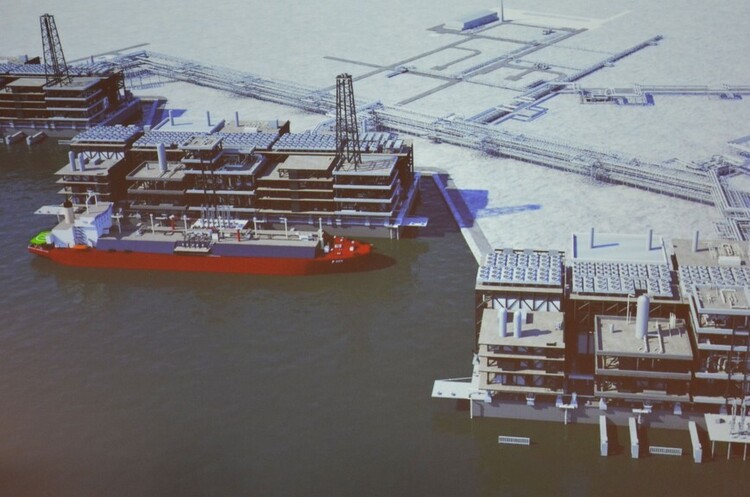
According to the CREA analytics center, in the last month of the year, imports of Russian liquefied natural gas (LNG) to France rose by 18%, and to Spain by 27%. Overall, Moscow’s revenues from LNG sales increased by 13%, reaching 48 million euros per day, the highest supply volumes recorded throughout 2025.
The European Union remains the world’s largest buyer of Russian LNG, accounting for almost half (49%) of all Russian LNG exports. The main importers in December were France, Belgium, and Spain, each purchasing over 200 million euros worth of fuel. At the same time, Russia’s revenues from pipeline gas rose 17%, reaching 70 million euros per day. Although transit through Ukraine has completely stopped, supplies via the “Turkish Stream” increased by 8% year-on-year. Experts link the temporary rise in European gas demand to weather conditions and a sharp drop in hydroelectric power generation due to drought.
The outlook for Russian oil is less optimistic: crude oil export revenues fell by 12%. This decline is largely due to a sharp reduction in purchases by India — down 29% compared to November. Indian refineries reached the lowest levels of imports from Russia since the price cap was implemented. Nevertheless, Russia continues to bypass sanctions using its “shadow fleet,” which transported 68% of all Russian crude oil in December. Analysts note that using old tankers without proper insurance in EU waters creates significant environmental risks, and cleanup costs for potential oil spills could exceed 1 billion euros for European taxpayers.
To increase sanctions pressure, experts recommend a full ban on using physical infrastructure for maritime transportation of Russian oil and closing loopholes that allow re-export of petroleum products through third countries. Currently, refineries in India, Turkey, and Brunei continue to supply fuel produced from Russian crude to Western countries, worth hundreds of millions of euros. To cut off funding for Russia’s military, analysts suggest banning imports from any facilities that processed Russian oil in the past six months.