

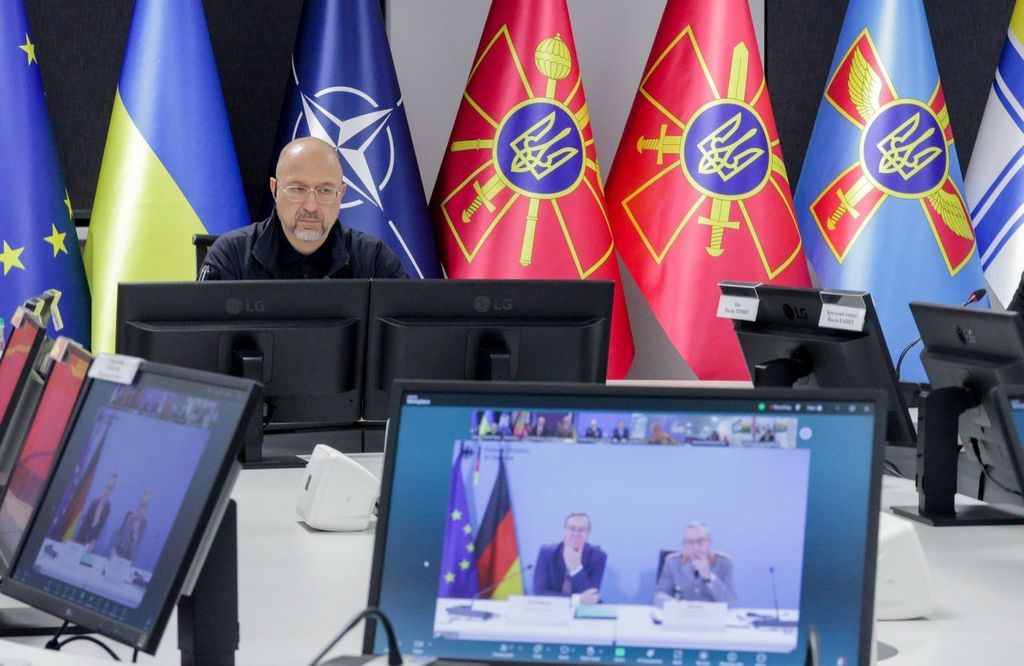

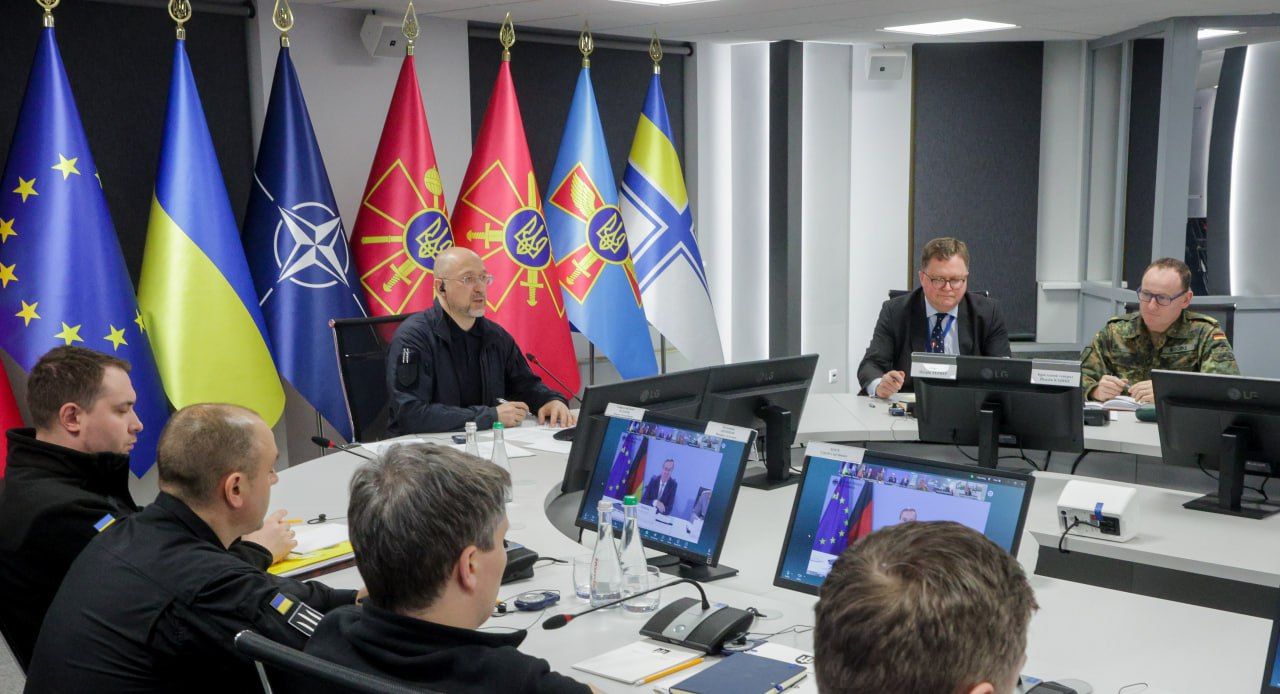
Ukrainian Defense Minister Denys Shmyhal addressed partners during the 32nd meeting in the “Ramstein” format.
He expressed gratitude for the support provided in 2025, which became a record year in terms of assistance. If all commitments are fulfilled, Ukraine will secure $45 billion – more than in any year since the start of the full-scale war.
In addition, in 2025 partners committed nearly $5 billion to Ukrainian defense production and about $5 billion for the purchase of U.S. weapons for Ukraine. Both figures set records, and Ukraine aims to maintain a similar trajectory in 2026, Shmyhal emphasized.
“The total volume of Ukraine’s defense needs in 2026 is $120 billion. Ukraine can cover half of this amount with its own resources. But $60 billion must come from partners,” he stated.
The Defense Minister informed participants of the main priorities for support:
- Stable and predictable funding for Ukraine’s defense. He called on partners to allocate at least 0.25% of GDP to Ukraine’s defense needs.
- Air defense, as Russia continues aerial attacks and Ukraine needs capabilities for protection.
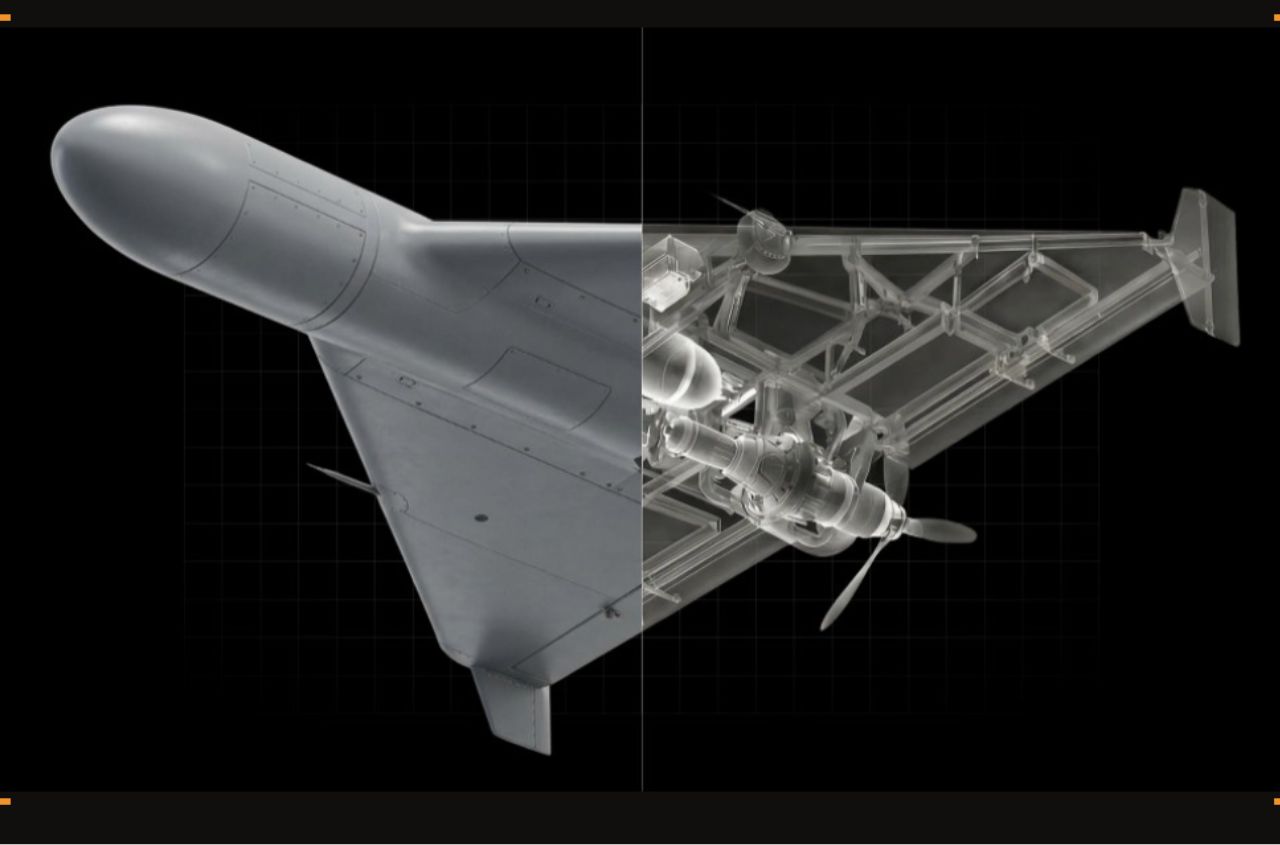
- Support for Ukrainian production of drones and other weapons that have proven effective on the battlefield.
- Supply of ammunition, including long-range munitions.
- PURL mechanism.
“This key element of cooperation between Europe and the U.S. must continue to receive funding. Ukraine’s total need for PURL packages in 2026 is $15 billion,” Shmyhal noted.
He also emphasized that Ukraine remains committed to restoring peace.
“However, to achieve this, we must increase pressure on the aggressor, limit its resources, and expand Ukraine’s defense capabilities. I thank every member of the Contact Group for consistent support. I am grateful to the United Kingdom, Germany, and NATO for leading a productive meeting,” added the Defense Minister.
During the meeting, partners announced new commitments for long-term support to Ukraine:
Germany
- €11.5 billion in 2026 for Ukraine’s defense, focusing on air defense, drones, and artillery rounds.
- New Patriot and IRIS-T systems already delivered to Ukraine.
United Kingdom
- Strengthening Ukraine’s air defense capabilities by £600 million in 2025 using frozen Russian assets, partner funds, and the UK budget.
Canada
- Additional CAD 30 million for Ukrainian drones.
- AIM-9 missiles.
- Delivery of electro-optical sensors and other military aid.
Netherlands
- €700 million for drones, including €400 million for Ukrainian-made systems.
Montenegro
- Preparing contributions to PURL and the NSATU fund to support Ukraine.
Denmark
- New contribution to PURL focusing on Ukraine’s aviation capabilities.
- Delivery of the 29th support package worth €250 million – drones, air defense, and Ukrainian aviation support.
Estonia
- Continued support at no less than 0.25% of GDP (€142 million).
- Contribution to the IT Coalition of €9 million.
Latvia
- Continued support at no less than 0.25% of GDP (€110 million), focusing on drones, electronic warfare, and PURL.
Lithuania
- Over €220 million in 2026 for military support at no less than 0.25% of GDP, including contributions to PURL, the Patriot program for Ukraine, the “Czech initiative,” and the demining coalition.
Luxembourg
- €100 million in 2026 for Ukraine’s support.
- A second €15 million contribution to PURL.
New Zealand
- $15 million for PURL.
Norway
- Around $7 billion in total military aid in 2026.
- Contributions to support U.S. air defense systems and the “Czech initiative.”
Poland
- Delivery of 155mm shells.
- Implementation of joint projects with Ukraine within the SAFE framework.
Portugal
- Contribution to the “Czech initiative.”
- €10 million for drones.
Czech Republic
- Within the “Czech initiative” for 2026, delivery of 760,000 artillery shells has already been funded.
“Thanks to partners for these contributions, which save lives, strengthen all of Europe, and bring true peace closer,” Shmyhal concluded.