

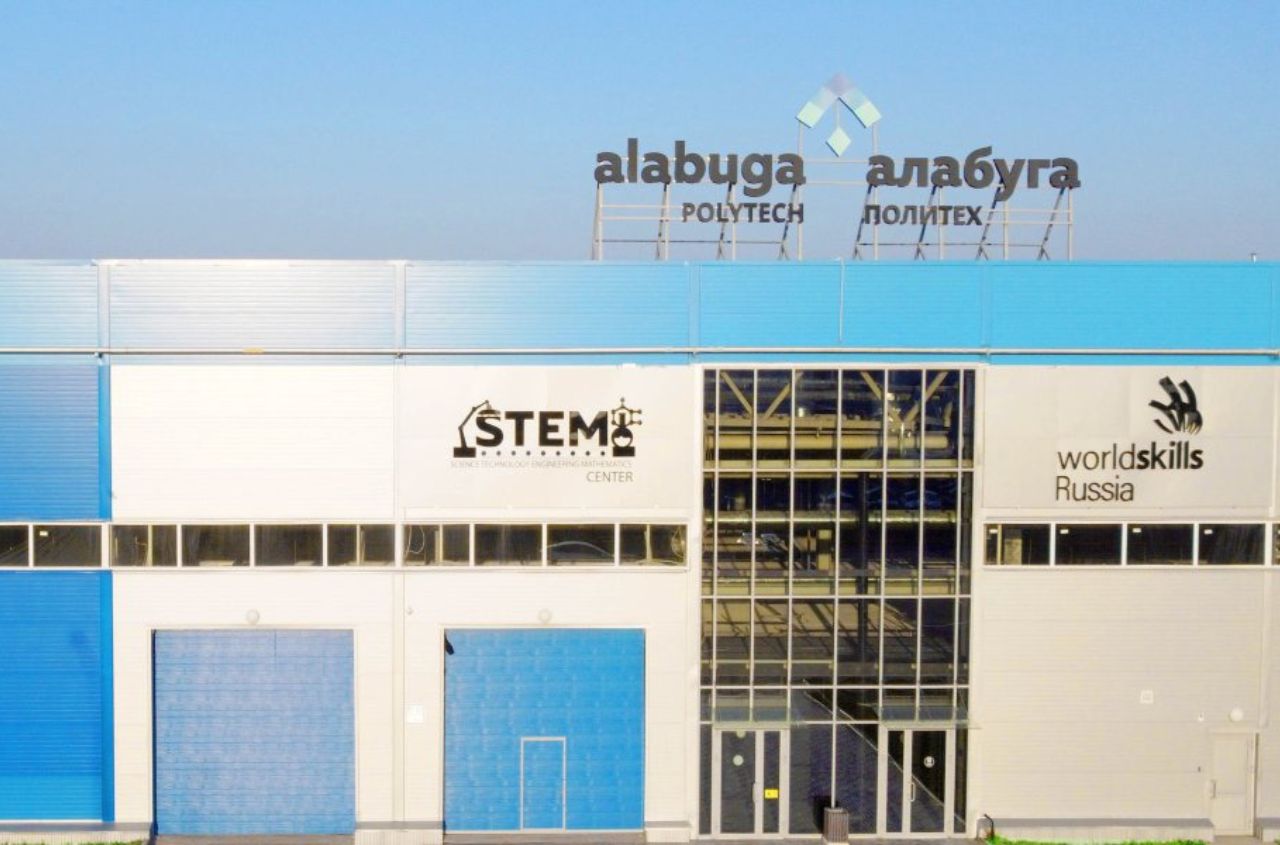

North Korean workers are being widely used to assemble combat drones at the Alabuga Special Economic Zone in Russia. They work in conditions resembling slavery, while the North Korean government confiscates up to 90% of their earnings.
"Alabuga has become an environment where serious human rights abuses and human trafficking occur," the authors of the report Human Rights Abuses in Drone Production at Yelabuga state.
The report was jointly written by researchers from the Washington-based Center for Strategic and International Studies (CSIS) and the George W. Bush Institute in Dallas. According to their findings, Alabuga now functions as a joint military enterprise involving China, Russia, Iran and North Korea. In 2026, the facility plans to produce approximately 60,000 combat drones and 50,000 decoy drones.
The shared production site in Tatarstan allows the four allied countries to exchange expertise in UAV manufacturing. Under this arrangement, Russia provides its territory, Iran supplies the basic Shahed-136 drone design, and China provides essential dual-use components, including batteries, internal electronics, engines and navigation systems. North Korea, meanwhile, supplies Alabuga with cheap labour.
According to the report's authors, 12,000 North Koreans are currently working at the facility. They are treated as slaves effectively leased from their government. Officially, North Korean workers are paid $2.50 per hour, but the authorities in Pyongyang confiscate between 70% and 90% of their earnings.
In addition to North Koreans, Russian workers, primarily students and young people, as well as other foreign nationals, work in similar conditions at the production facilities. These include people from various countries in Latin America, Africa and Asia, predominantly young women aged 16–22. They are generally lured to Tatarstan under false pretences, with promises of education or safe employment in the service sector.
The report notes that the activities of Alabuga's organisers "could potentially meet the criteria for human trafficking".
The researchers from Washington and Dallas refer to the four countries cooperating in Tatarstan by the acronym CRINK (China, Russia, Iran, North Korea). They emphasise that the four-way alliance is growing stronger each year and that the CRINK partners share a strategic objective: to undermine US global leadership "by destabilising the international rules-based order".
According to the Multilateral Sanctions Monitoring Team (MSMT), between 35,000 and 100,000 North Koreans have been brought to Russia and China in violation of UN restrictions, including to work in military production facilities.
The money earned by North Korean workers is used to finance North Korea's nuclear and ballistic missile programmes, which also violates UN Security Council resolutions.
According to MSMT estimates, Pyongyang may have earned up to $22 billion through its partnerships with Moscow and Beijing since 2022 — many times more than the country's foreign currency revenues before Russia's invasion of Ukraine.