

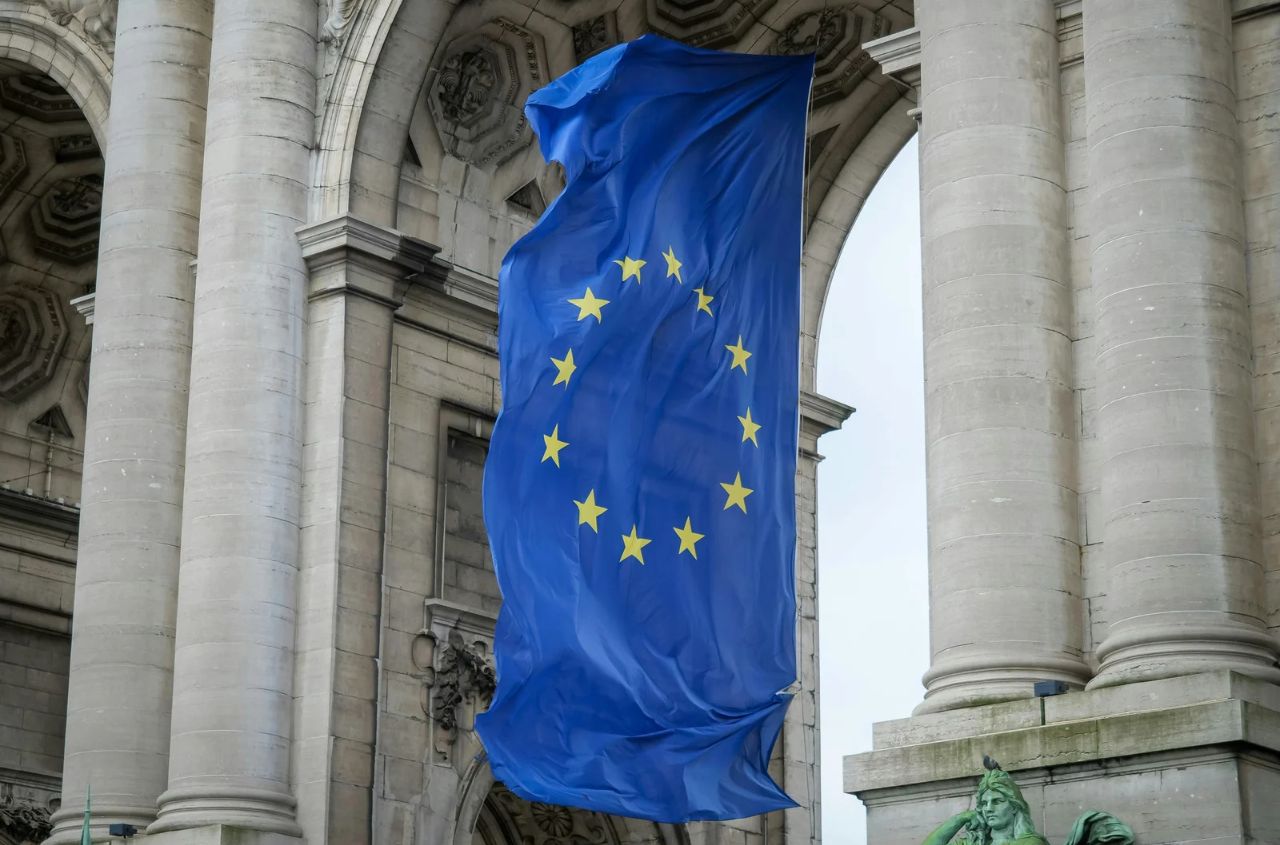

Russia's willingness to involve European representatives in peace negotiations may reflect a broader strategy to secure sanctions relief and reshape relations with Europe, rather than a genuine shift towards ending the war in Ukraine. At the same time, divisions among Ukraine's European allies could weaken Kyiv's negotiating position in the coming months.
1. Negotiations are about more than Ukraine
Despite Ukraine being at the centre of attention, these negotiations are not primarily about Ukraine. They concern how to persuade European countries to lift sanctions against Russia in exchange for security guarantees and opportunities for American companies to act as intermediaries in the sale of Russian commodities.
From this perspective, European participation in the negotiations was inevitable.
However, the weakness of European governments and a degree of American bias have allowed Putin to present his agreement to European involvement almost as an act of royal generosity.
2. Europe is not yet prepared for a new negotiating format
European countries are clearly not ready for the new format of negotiations. The main problem is not choosing a representative but defining the mandate under which that representative would negotiate.
Even Ukraine's closest allies are struggling with two contradictory objectives. On the one hand, they want the war to end because of growing financial pressures and electoral challenges. On the other, they fear that ending the war under the wrong conditions could expose Europe to further Russian aggression.
As a result, there is a significant risk that the pro-Ukrainian coalition will become increasingly fragmented over the coming months.
3. Putin's contradictory approach is slowing European divisions
Putin, meanwhile, continues to demonstrate a familiar form of doublethink. He wants to restore trade with Europe while simultaneously demanding recognition of spheres of influence and threatening European countries with war.
This contradiction remains the main factor discouraging European governments from moving towards accommodation with Moscow. However, it is not preventing the fragmentation of the coalition. It is merely slowing the process.
4. Ukraine needs to rethink its negotiating strategy
There is a growing concern that decision-makers in Kyiv have not fully recognised how fundamentally the nature of negotiations has changed. Ukraine continues to operate according to the assumptions of 2022, when European governments were prepared to welcome refugees, provide extensive financial assistance and maintain Russia's international isolation. That approach is becoming increasingly difficult to sustain.
European governments are already showing signs of uncertainty, and Ukraine needs to adapt its strategy accordingly. Rather than relying on the political framework established in 2022, Kyiv should work with its European partners to define a new set of red lines.
Whether Ukraine wants it or not, those red lines are already beginning to shift. The crucial question is what role Ukraine will play in shaping that process over the next five or six months: will it participate as a negotiating party with a meaningful voice, or be reduced to the position of an observer?
5. Ukraine should broaden its international alliances
Many countries around the world are deeply concerned that the principle of stronger states imposing their authority over weaker ones could become an accepted feature of international relations. This creates opportunities for Ukraine to develop partnerships beyond its traditional Western allies.
Türkiye, Egypt, Saudi Arabia and several other countries could become natural partners in opposing such a precedent.
Framing the issue in these terms could also challenge China's broader geopolitical strategy.
Ukraine therefore needs to expand the diplomatic playing field and approach negotiations according to the realities of 2026 rather than those of 2022.
The question is no longer simply how to preserve the existing coalition, but how to build a broader international framework capable of protecting Ukraine's interests as the geopolitical environment changes.