


By Viktor Yahun
When people talk about Crimea, many still imagine a large-scale offensive operation, an airborne landing, or a rapid breakthrough onto the peninsula. In reality, events today are developing according to a very different logic.
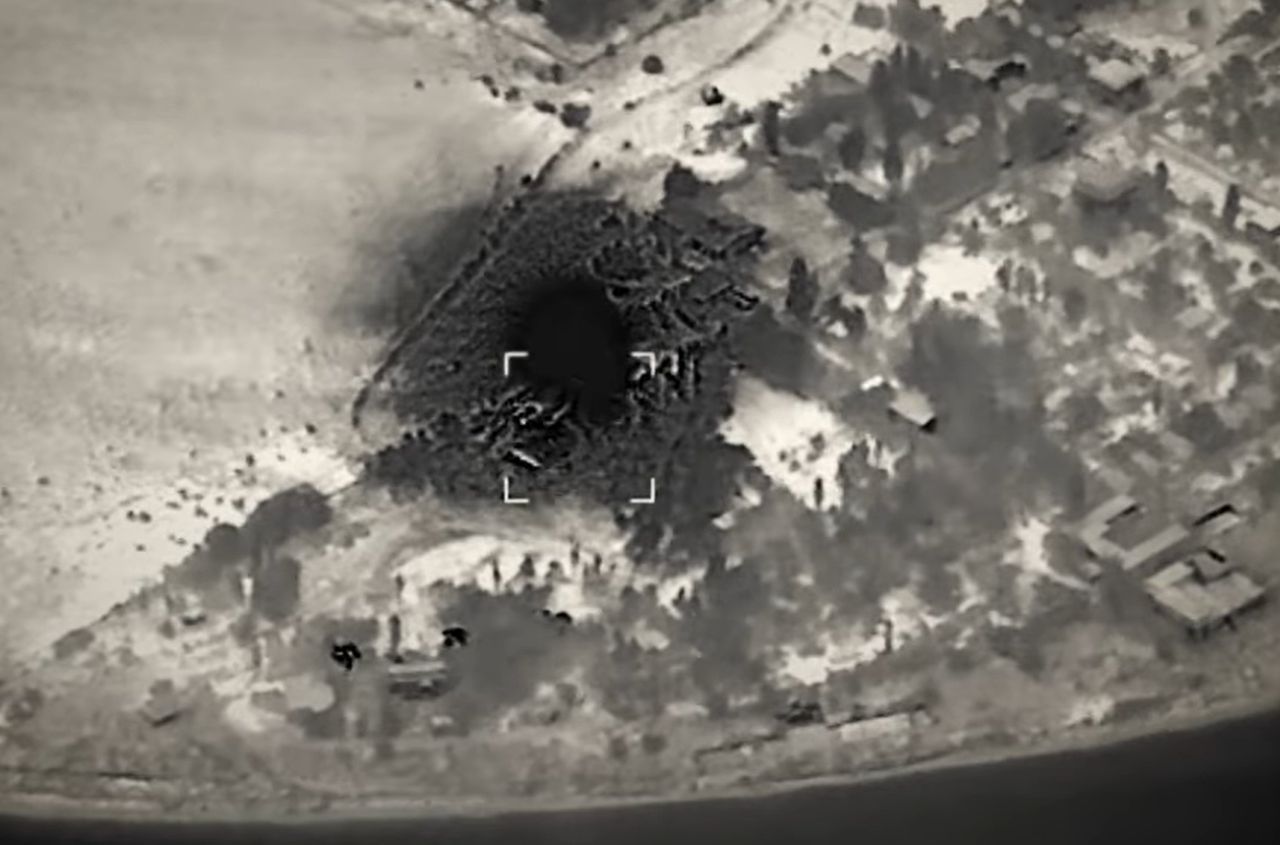
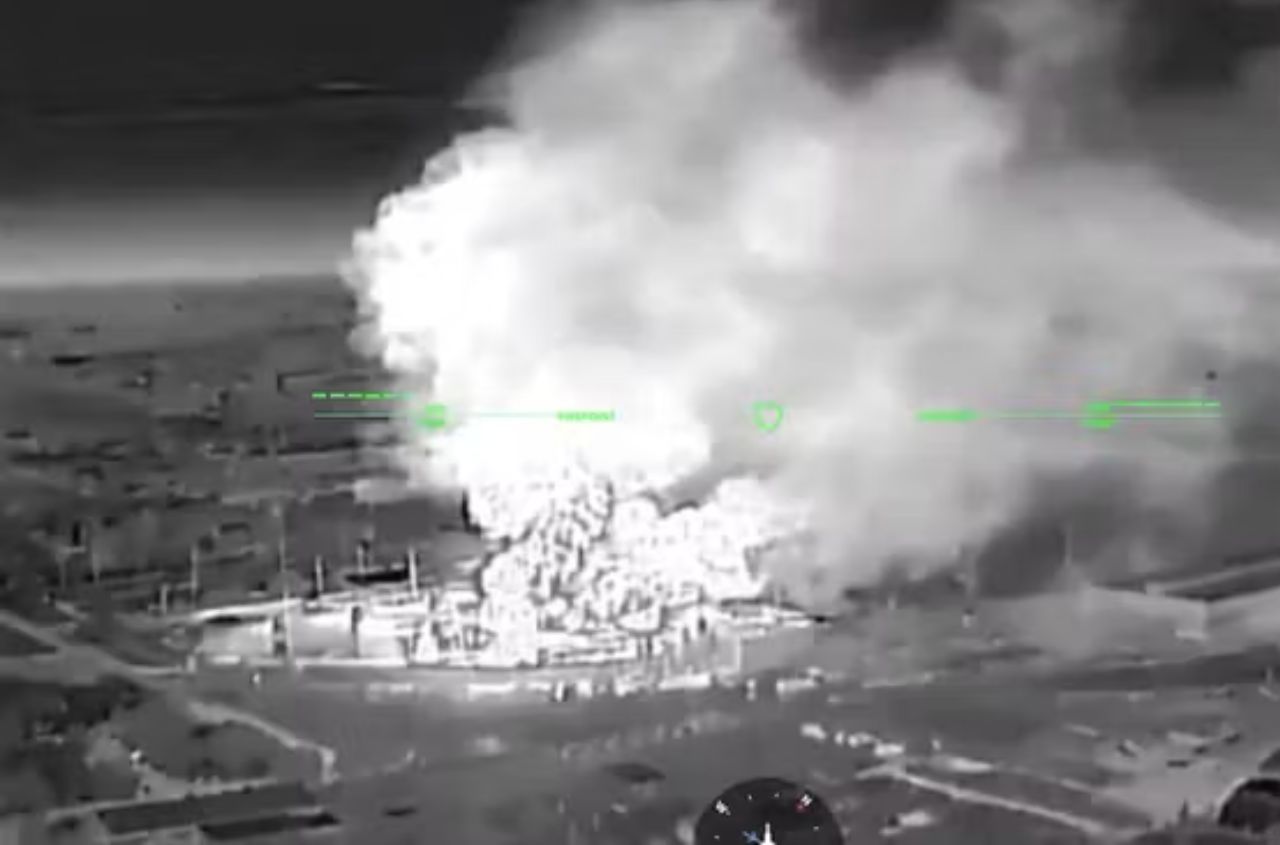
Crimea is gradually ceasing to be a safe rear area for Russia and is increasingly turning into a territory whose maintenance requires significant resources. Ukraine is consistently working not so much against the peninsula itself, but against the system that sustains it: transport communications, fuel infrastructure, air defence assets, command posts, and military logistics.
The main goal of this strategy is not to capture the territory at any cost, but to make its retention as difficult and expensive as possible for the adversary. That is why the key targets are not resort cities or even military bases, but bridges, railway hubs, fuel depots, and logistical centres. Particular attention should be paid to the Dzhankoi area — the de facto heart of all Crimean logistics.
Another important indicator is the state of the Kerch Bridge. The question is no longer whether it physically stands, but how effectively it can actually ensure the transfer of troops, equipment, and material resources. War has long taught us that infrastructure can formally exist while simultaneously losing its strategic significance.
Russia, in turn, is forced to redeploy additional air defence systems, strengthen the protection of facilities, and search for new supply routes. This means diverting resources from other sectors of the front. Every air defence battery moved to Crimea does not protect another important object. Every additional logistical route increases costs and reduces the efficiency of the entire supply system.
That is why the most realistic scenario today is not a rapid de-occupation of Crimea, but its gradual military-logistical exhaustion. If this trend continues into autumn and winter, the Russian leadership will increasingly face the question: how many resources must be spent on holding a territory that is gradually losing its military advantages and turning into a strategic burden?
The history of wars has repeatedly shown that a front does not collapse only where armies advance. Very often, the decisive moment comes when logistics stop working. And it seems that this is exactly where the main struggle for the future of Crimea is unfolding today.