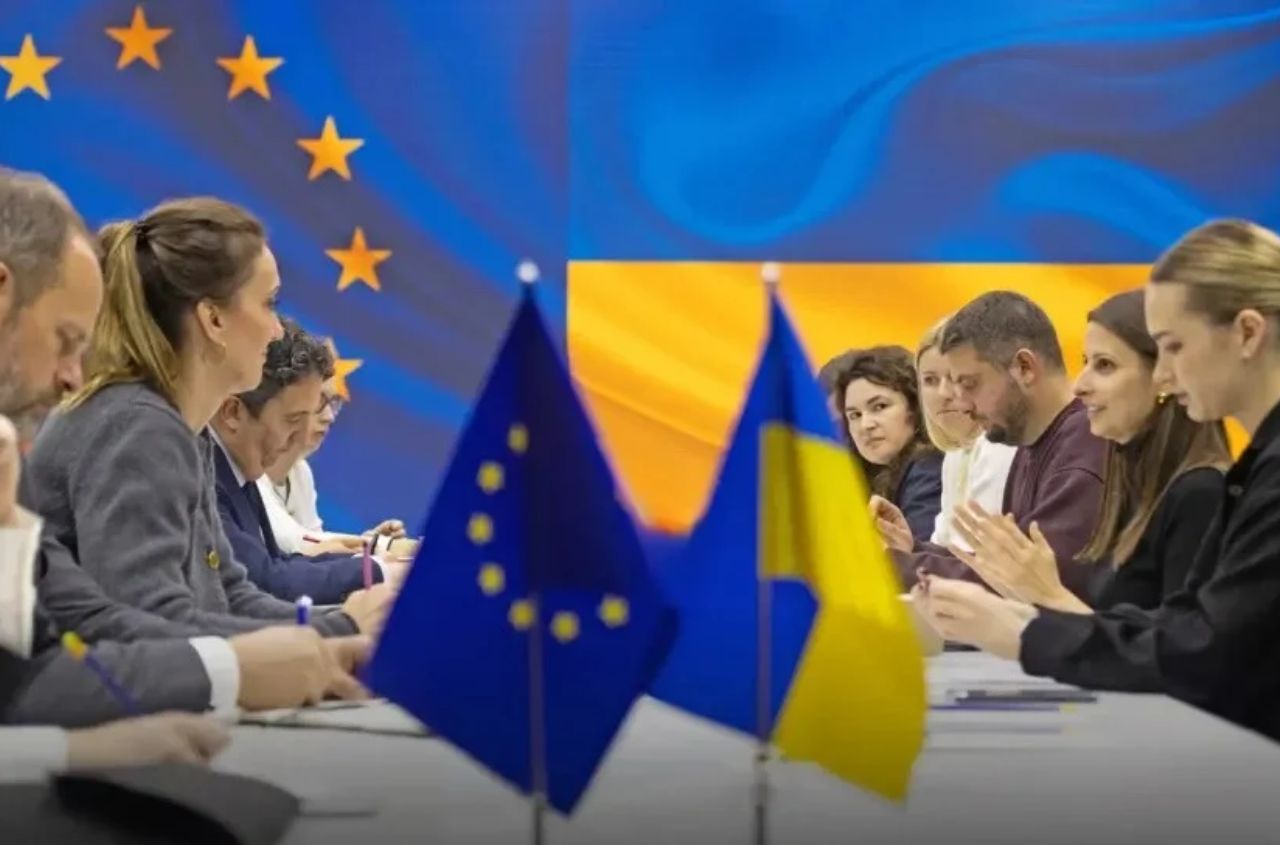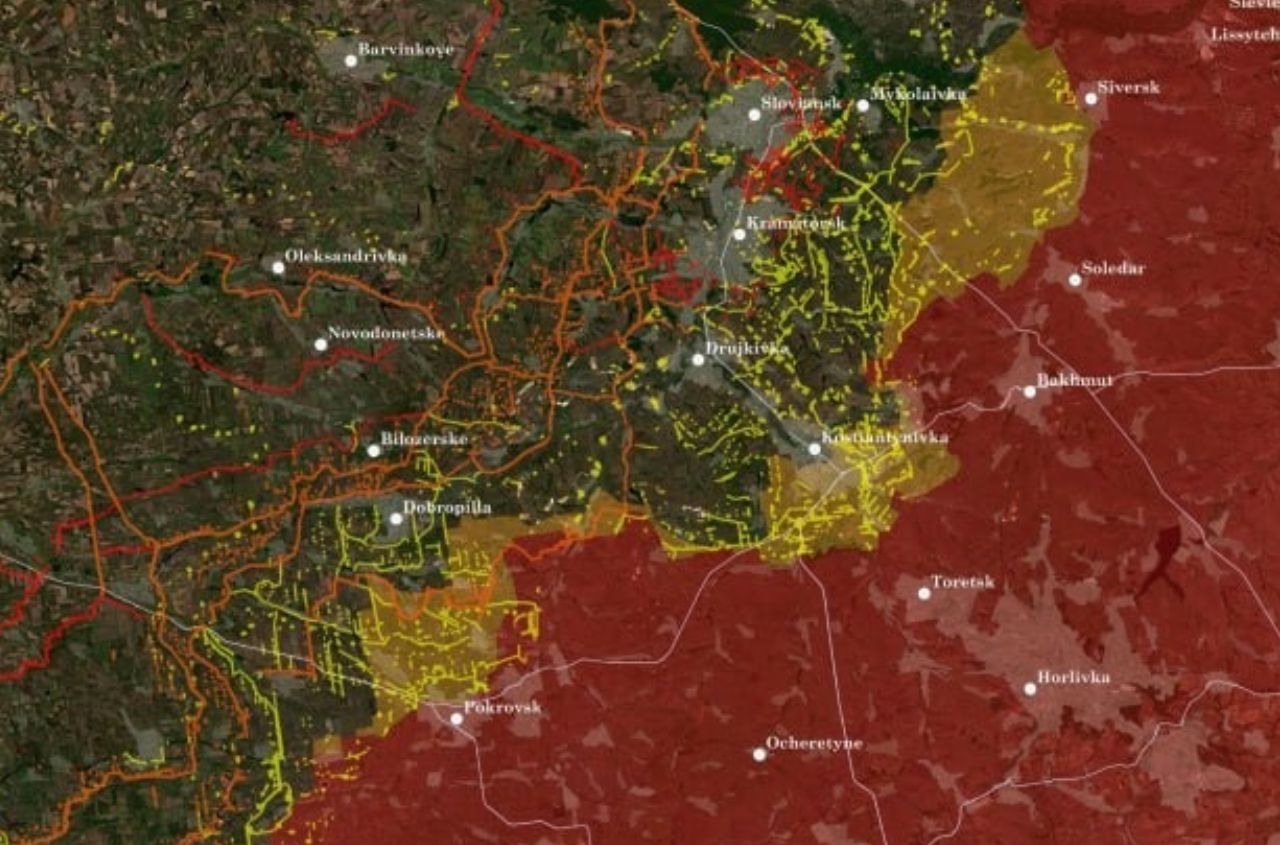



In the space of just two weeks, the conflict in Ukraine has unexpectedly, though quite logically, revealed itself as a war between America and Europe. This time, the “second front” has emerged on the other side of Europe — the United States has landed in Ukraine.
At the heart of the dispute is Europe's political architecture. At stake is the concept known for more than a century as the “United States of Europe”. Its essence lies in transforming Europe into an independent political actor (the federalisation of Europe). Over the four decades since the collapse of the Soviet Union, this once largely theoretical geopolitical construct — at times even a utopia — has evolved into a functioning political model.
The opposing concept of a “United Europe” — a Europe that preserves the absolute primacy of the “national” over the “supranational” and operates as a traditional alliance of states, cooperating only where there is an immediate need to do so (the confederalisation of Europe) — is a good example of a “memory of the future”, since it merely seeks to restore patterns of relations that previously existed in Europe.
For almost eighty years, America indirectly supported European federalisation on the assumption that the United States was, is and would remain the guarantor of European security, thereby serving as the “shadow centre” of the emerging European federation.
It was on this basis that, under Biden, the United States actively and uncompromisingly supported Europe's determination to defend its political autonomy in the face of the “Russian threat”, establishing a “cordon sanitaire” along its eastern borders. From this perspective, supporting Ukraine in its resistance to Russian aggression appeared logical, indeed the only possible course of action. Support for Ukraine was understood as support for European unity and federalisation.
However, with the arrival of the Trump administration, Washington's strategic outlook changed.
America suddenly realised that it had mistaken its role as the world's principal donor for global dominance. Its resources were running out, and there was an urgent need to shed the ballast.
Europe was among the first to find itself in the firing line. Washington not only concluded that this ally had become too expensive, but also began to question whether Europe was really an ally at all.
Rather, it was neither friend nor foe, but an unreliable competitor in the struggle for a place in a new and changing world, where China's star is rising in the East while Russia's is fading.
From that moment, support for European federalism ceased to be a priority of American foreign policy. On the contrary, within its new strategic paradigm, the failure of this project would serve US interests better than its success.
Consequently, a European victory over Russia in the Ukrainian theatre of war ceased to be a desirable outcome for America.
Following this revised strategic approach, the United States not only drastically reduced its financial assistance to Ukraine, shifting almost the entire burden of the war onto Europe itself — which would have been only half the problem — but ultimately aligned itself with Russia (and partly with China) in terms of its preferred outcome of the war.
In doing so, Washington effectively opened a parallel “second front” against Europe in Ukraine.
In essence, what is at stake is not merely Ukraine's future, but Europe's future as well. The question now being decided is which path Europe will take: towards federalisation, becoming an independent geopolitical actor with a high degree of internal political integration and a powerful military component; or towards confederalisation, with a loose political structure and continued military dependence on external powers.
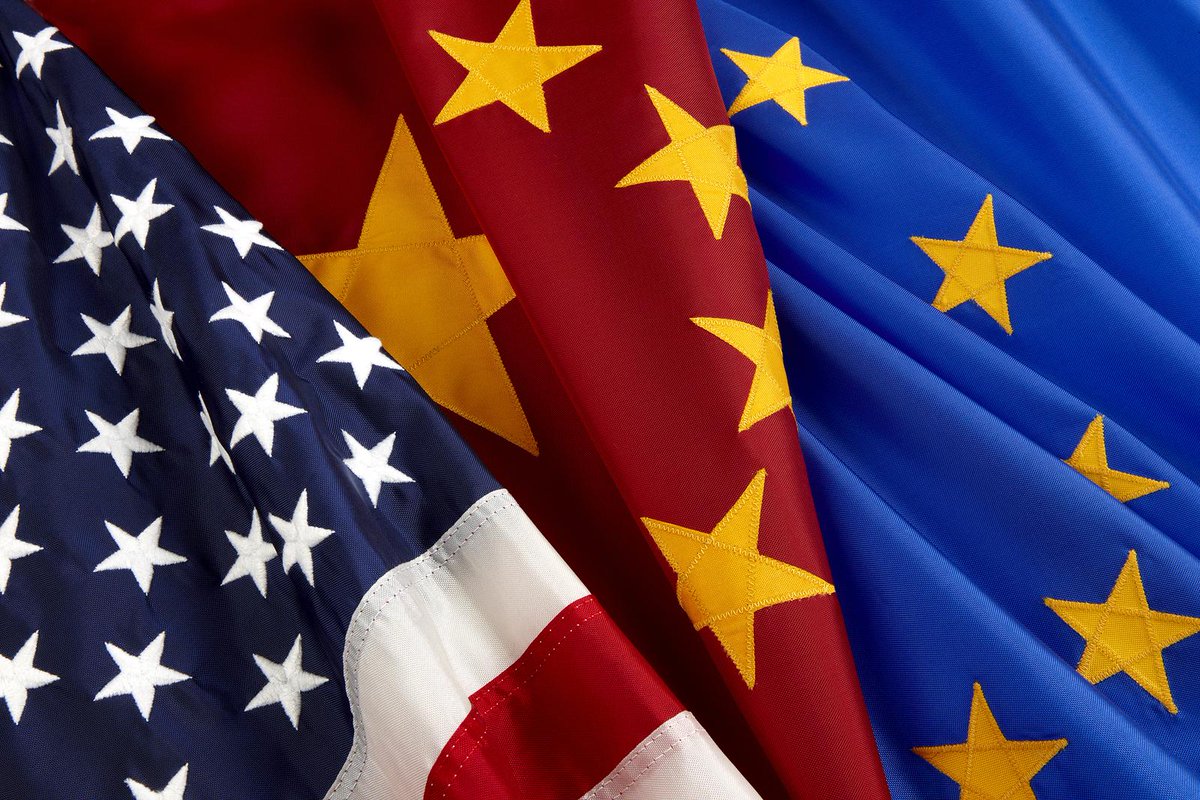
Paradoxically, America, Russia and China, despite their profound differences, may find themselves united in their attitude towards Europe's emergence as an independent geopolitical actor.
I would not be at all surprised if a meeting of this “Big Three” in China, much like the historic meeting of the legendary “Big Three” in Yalta, were devoted to a considerable extent to the future of Europe as a whole, rather than to peace in Ukraine.