


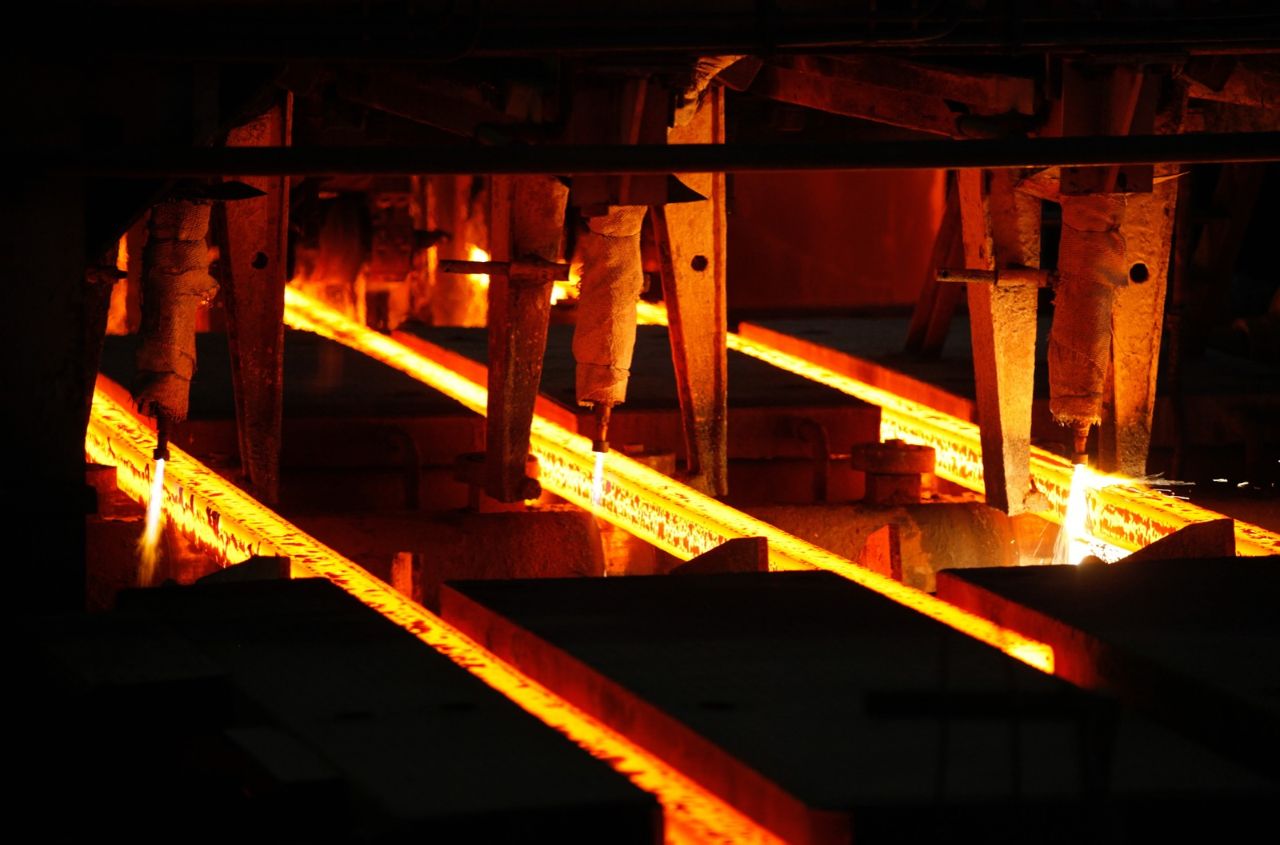

Metallurgical production in Ukraine fell by 80% in September following Russian attacks that damaged seven blast furnaces: five at Metinvest facilities and two at ArcelorMittal plants.
This was reported in a study by the Centre for Economic Strategy (CES).
In addition, the value of metal exports in US dollars fell by 48% in August compared with August 2026 due to logistical difficulties.
"Ukraine still has the potential to export iron ore, but the blockade of ports has effectively made it impossible to transport it via traditional maritime routes. Switching to alternative routes is too expensive," the report stated.
Even before the strikes, steel producers had faced challenges arising from the European Union's Carbon Border Adjustment Mechanism (CBAM). From 1 July 2026, the EU also introduced strict restrictions and reduced duty-free quotas for imports of Ukrainian metal products.
In addition, industrial enterprises suffered from electricity supply disruptions during the winter.
Last year, the metallurgical industry, together with related sectors, accounted for more than 5% of Ukraine's GDP.
In its October forecast, investment company Dragon Capital estimated that the suspension of steel production and reduction in iron ore extraction would cost Ukraine 1.5% of GDP. The company now expects Ukraine's economy to contract in both 2026 and 2027.
According to the CES, the economic downturn could be even deeper if steel plants remain idle throughout 2027 and the resulting losses are not offset by other economic activity.