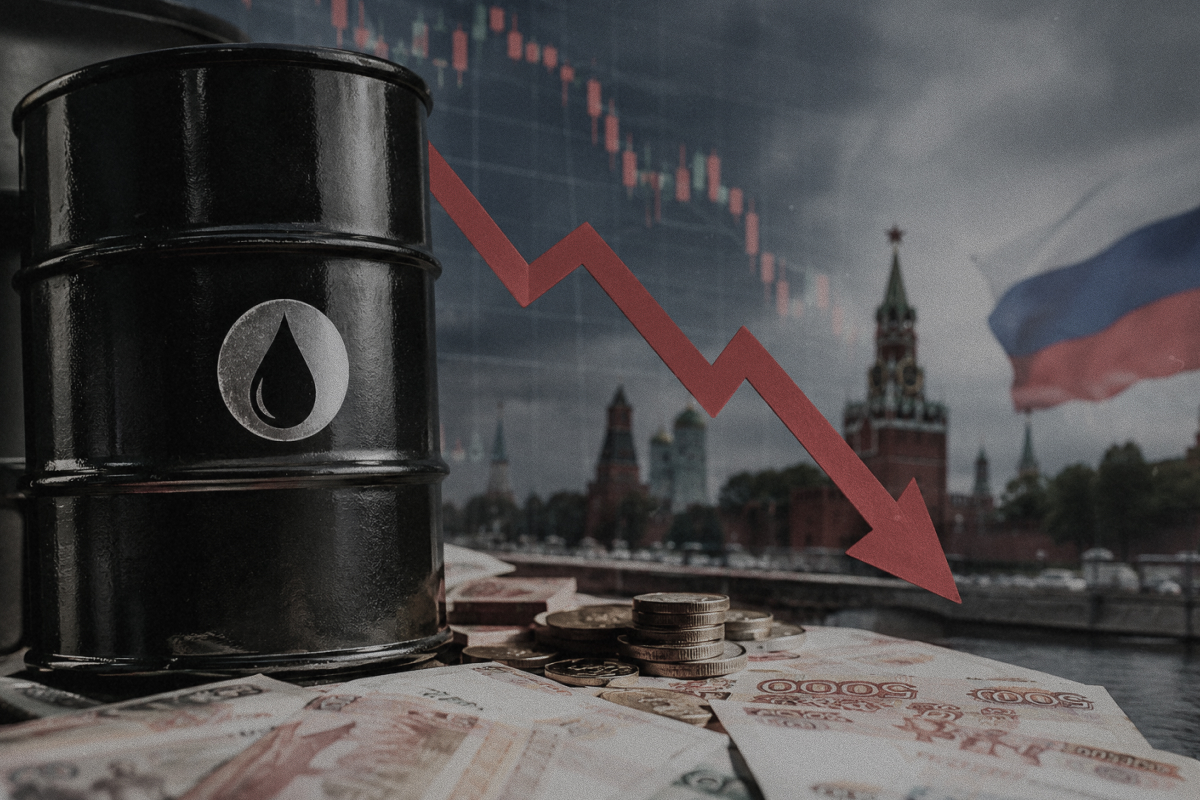




If The Washington Post's reporting is accurate, US officials have warned Ukraine about the consequences of further strikes on Russian energy infrastructure. At the same time, the newspaper reports growing frustration in Washington over attacks on Russian oil refineries and energy facilities.
In my view, the reason for these conflicting signals lies not only in geopolitics.
The United States is entering the heated phase of its congressional election campaign. American voters have traditionally been highly sensitive to fuel prices. When petrol and diesel prices rise, political approval ratings often move in the opposite direction.
This creates a rather unusual situation, a kind of cognitive dissonance.
On the one hand, Russia is officially described as a threat to European and Western security. On the other, any development that could push global energy prices higher begins to cause concern among American politicians.
They are fortunate that the average American voter does not pay too much attention to such political contradictions.
What we are witnessing is a classic conflict between geopolitics and electoral economics.
For Ukraine, the war remains a question of national survival. For part of the American political establishment, however, another question is becoming increasingly important: how much will a gallon of fuel cost when voters go to the polls?
This is precisely why Washington's policy sometimes appears contradictory.
Yesterday, Ukrainian strikes on Russian infrastructure were viewed as a means of putting pressure on Russia. Today, those same actions are increasingly being assessed through the lens of inflation, petrol prices and electoral risks.
And the source's remark that warnings were issued to practically everyone "whose surname sounded Ukrainian" illustrates just how nervous Washington has become about the issue.
If that account is accurate, it creates the impression that the White House is currently fighting not so much against Russian oil as against petrol prices at American filling stations.
Ukraine should keep one simple economic principle in mind: during election campaigns, even the world's most powerful countries sometimes make decisions based not on long-term strategy, but on the outcome of the next vote.
This is not a question of friendship or hostility.
It is a question of political economy.