


Russia has launched a new information and psychological strategy of deterrence and hybrid pressure targeting countries on NATO’s eastern flank, according to analysts at the Robert Lansing Institute (RLI).
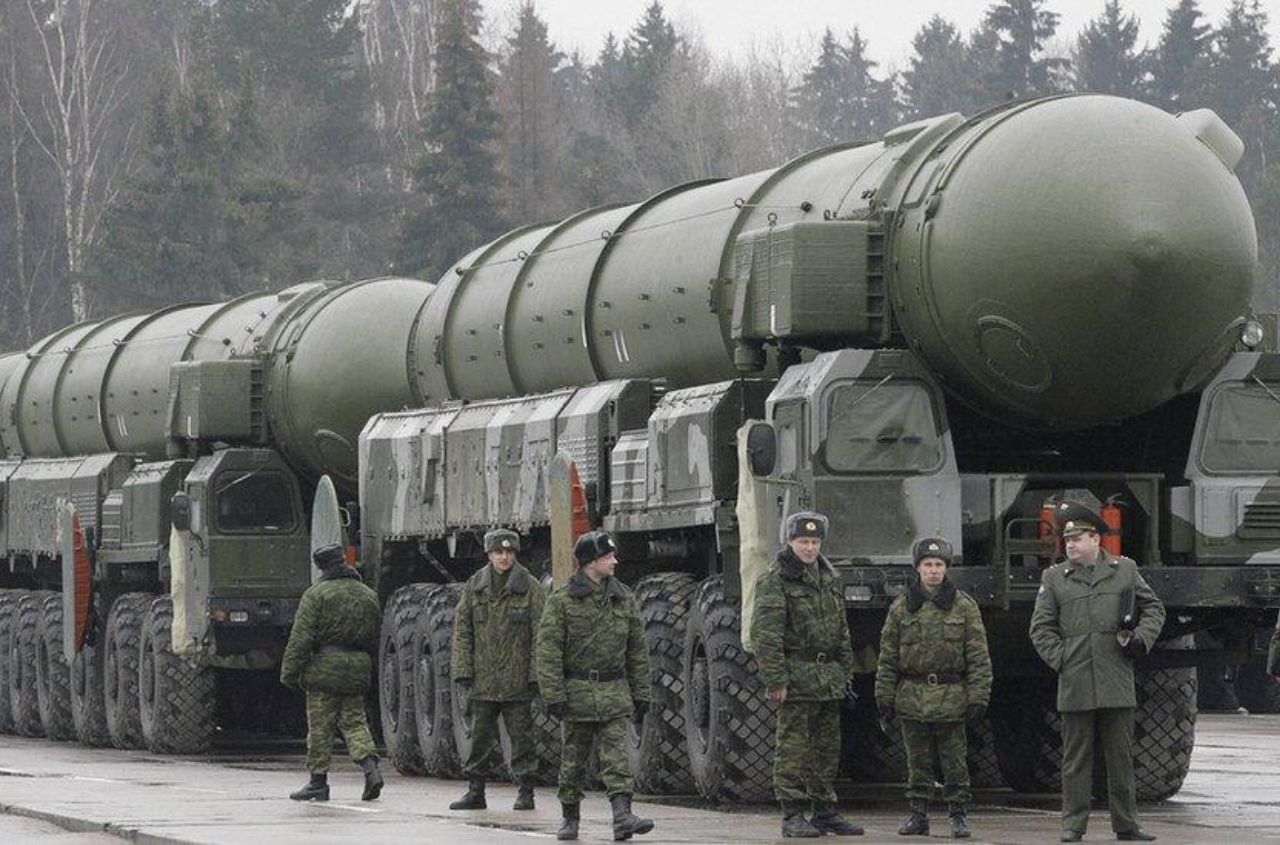
The assessment follows a controversial article published by Russian state news agency RIA Novosti that openly discussed the scenario of a “very short special military operation” against Lithuania, including the possibility of a pre-emptive nuclear missile strike.
Although the article by political analyst Alexander Nosovich was removed around three hours after publication, RLI analysts believe the incident was a deliberately prepared signal and an element of strategic intimidation aimed at countering the growing defence capabilities of the Baltic region.
According to RLI, the Kremlin is changing the way it presents the possible use of nuclear weapons in its public rhetoric. Unlike traditional, more abstract warnings, the new narrative portrays a nuclear strike not as a measure of last resort in a large-scale war, but as a practical instrument for rapidly achieving a limited objective without conducting a prolonged ground operation.
RLI identifies Lithuania’s increasing integration into NATO’s military structures as a key factor behind this escalation in rhetoric. The institute points to Lithuania’s planned defence spending of 5.38% of GDP, the permanent deployment of Germany’s 45th Armoured Brigade Lithuania and discussions over removing legal restrictions related to the deployment of nuclear deterrence capabilities.
According to the institute, the broader objective of the information campaign is to reverse the perceived cause-and-effect relationship between Russian threats and NATO’s defence measures.
Russia is seeking to convince European politicians and the public that strengthening Lithuania’s defences and expanding NATO’s military presence make the country a priority target for attack, RLI argues.
The institute assesses that such messaging is intended to fuel political disputes within NATO countries and create doubts about the desirability of maintaining a stronger Western military presence near Russia’s borders by exploiting fears of rapid nuclear escalation.