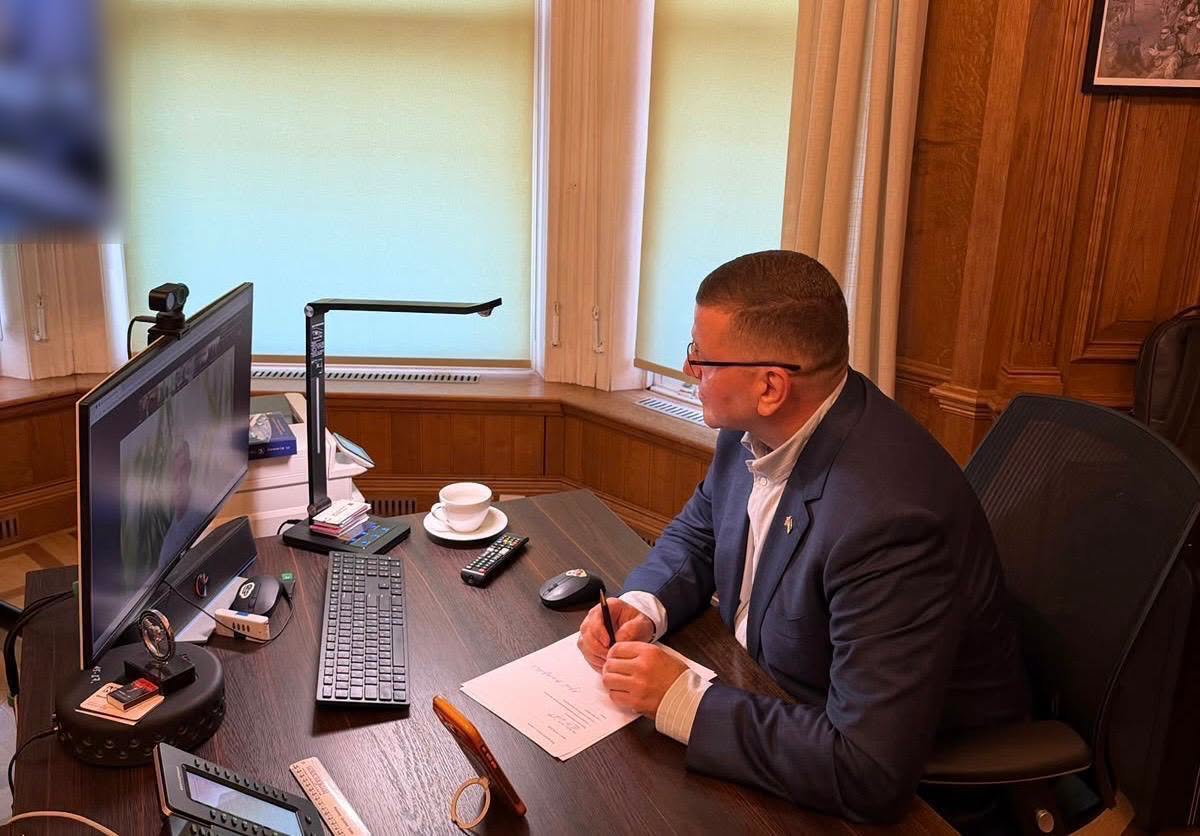


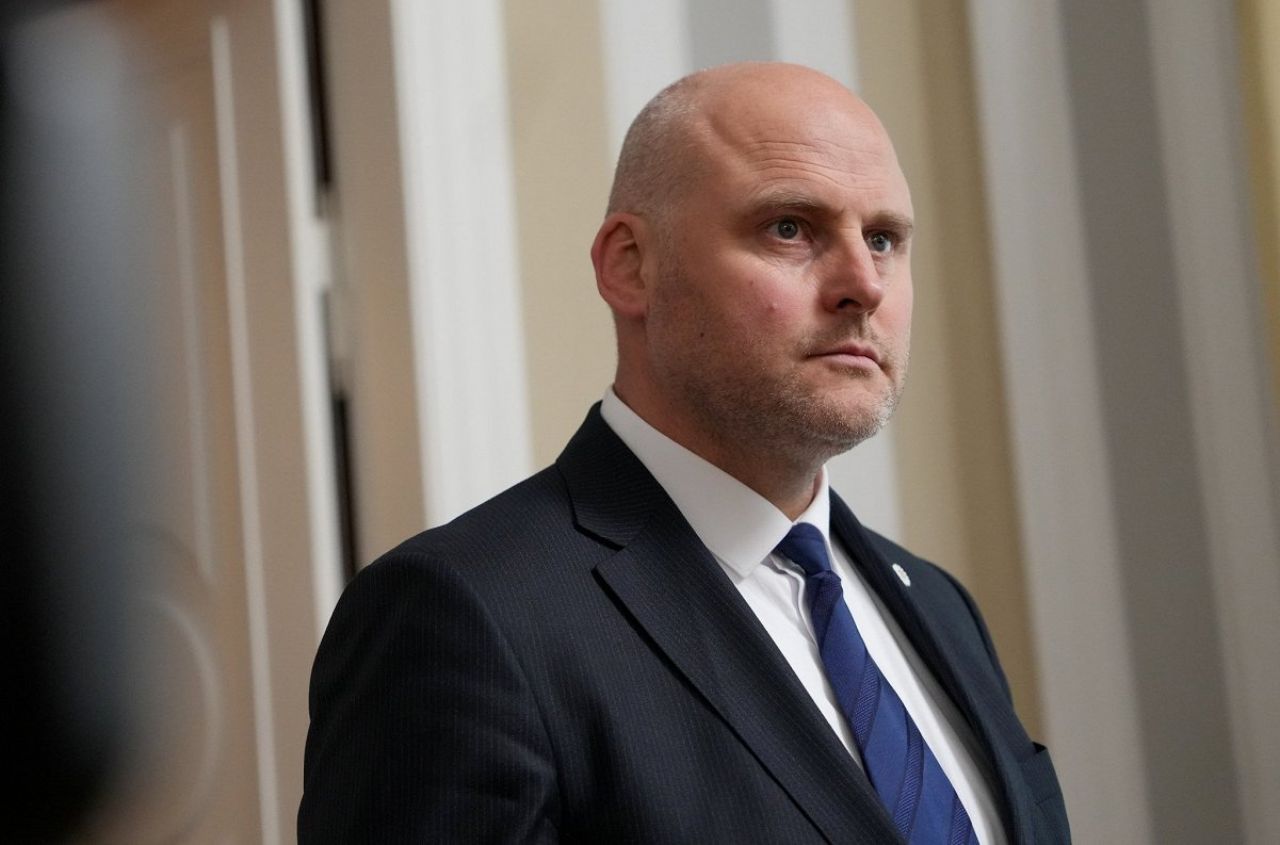

Latvian Prime Minister Andris Kulbergs said that next week Ukrainian experts will arrive in the Baltic states to help counter the drone threat, which has repeatedly violated the region’s airspace.
He made the statement in an interview with ERR.
As noted, Latvia’s airspace was violated this year by several drones that were likely off course due to GPS jamming, as Russia is attempting to protect its oil infrastructure from Ukrainian attacks. On Monday, June 8, a drone was shot down in Latvian airspace by a French fighter jet deployed as part of the Baltic Air Policing mission in Lithuania. Kyiv said it will send experts to the region to help address the issue.
“nd next week, the military experts from Ukraine, the ones who fought on the front and have full knowledge, will [come and] assess the Latvian situation. We will know what technical equipment is necessary to protect our skies to the best level,” Kulbergs said.
He added that Ukrainian counter-drone systems could arrive in Latvia later this year.
The Prime Minister also noted that most Russian soldiers on the Ukrainian front are being destroyed by drones, so Latvia and NATO must “quickly” adopt this combat experience.
“Our traditional way of conducting warfare within NATO is not effective, and we need to turn to those who are the best in the world at doing this,” Kulbergs said, referring to Ukrainian experience.
Ukrainian President Volodymyr Zelensky said on Tuesday, June 9, that Russia is repeatedly sending drones into NATO airspace. When asked by ERR whether Latvia has evidence of this, Kulbergs replied:
“It is almost certain.”
When asked whether Latvia would take the initiative in Europe to promote certain policy changes, such as Estonia’s ban on issuing Schengen visas to Russian military personnel, Kulbergs said his priority is the economy. He noted that the war has “directly” and “very strongly” affected the economies of countries bordering Russia and Belarus.
“But if we will have weak economy, that means we will have weak defense,” he said, stressing that this is not only an issue for Latvia or any single country.
Kulbergs also called for stronger sanctions against the shadow fleet, describing it as a “direct threat” and a “ticking time bomb” that could become an environmental “catastrophe for the Baltic states.” He said a better joint response is needed, noting that countries are currently acting separately.
“We don't share enough information. We don't have enough sensors in place. So that all has to be put in place as a policy,” he said.