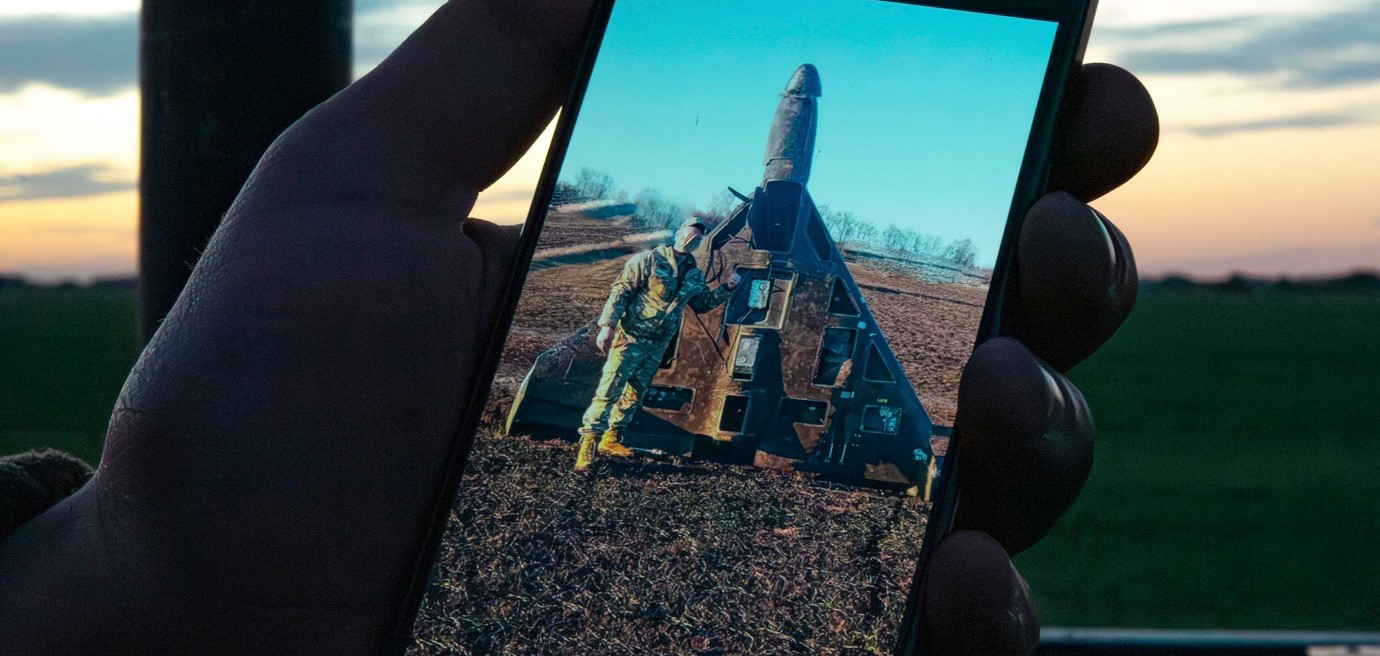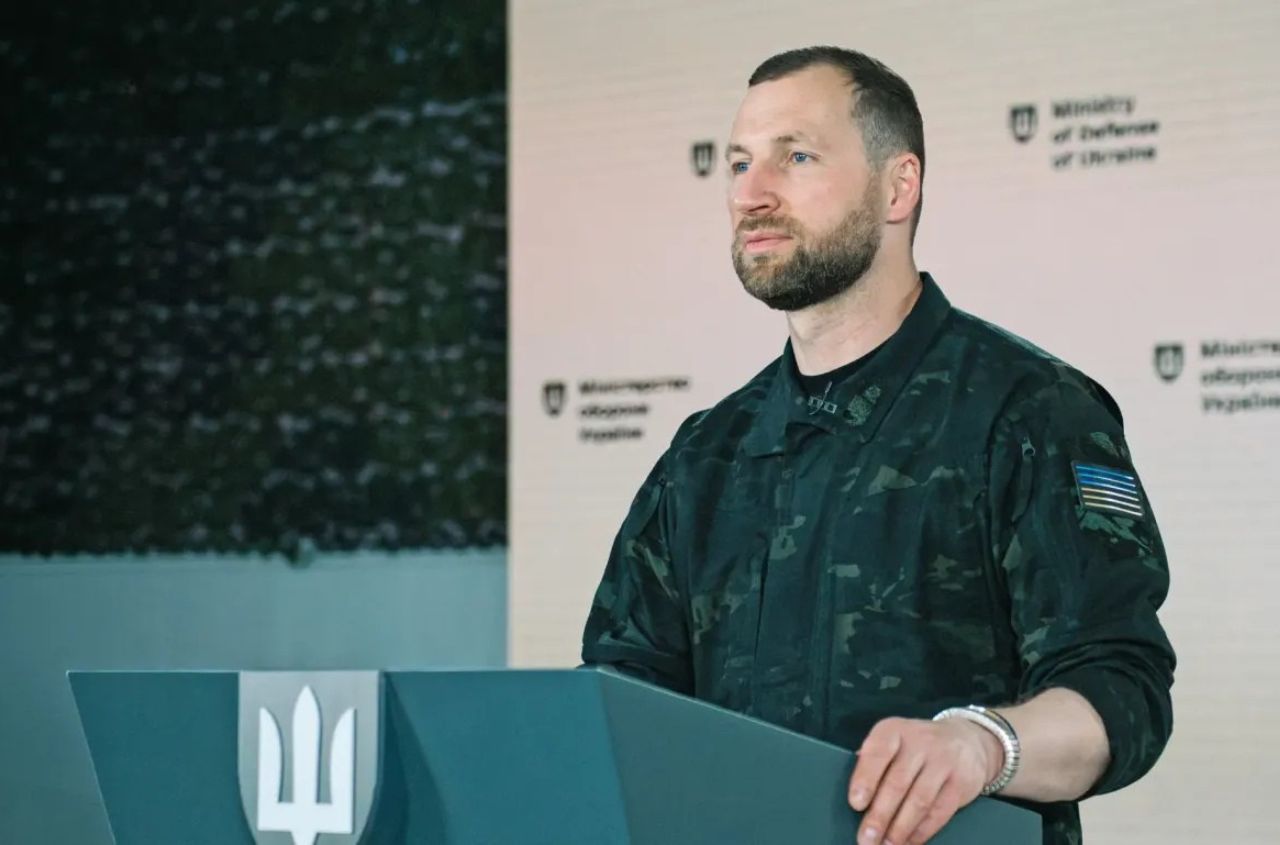


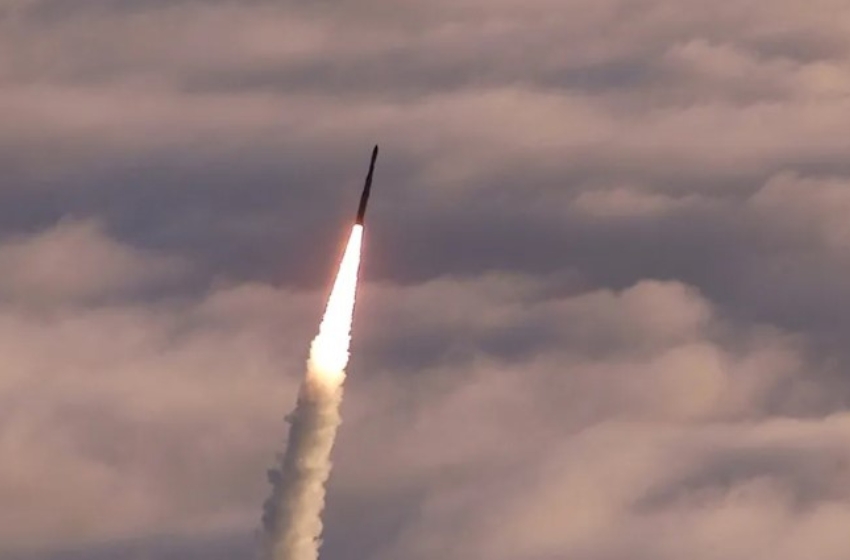

Russia is capable of producing 40–50 Kh-101 air-to-ground cruise missiles per month, but recent research indicates that Ukraine is being attacked with missiles produced only a few weeks earlier, said chief scientific researcher at the State Research Institute for Testing and Certification of Weapons and Military Equipment, Colonel Oleksandr Zaruba.
He made the statement during a briefing titled “The use of Russian air attack means against civilian infrastructure: technical and humanitarian aspects.”
Zaruba noted that the Kh-101 is an older missile that has undergone “extensive modernization.”
He described improvements such as an updated radar-absorbing coating to reduce detectability, onboard defense systems during flight, and the use of decoy heat targets and dipole reflectors. These systems activate automatically when radar activity is detected or when approaching a target. The missile also uses a duplicated guidance system to support electronic warfare resilience.
According to him, analysis of debris from 2024–2025 showed a shift from general-purpose civilian chips to specialized components, typically sourced through Asian countries. Due to reduced fuel tank volume, Russia has been able to increase warhead size and potentially install dual warheads.
“The warhead weight increased from 450 kg to about 800 kg. The second warhead can be released or detonated at an altitude of 100–200 meters from the target. Production is estimated at 40–50 units per month. Therefore, given recent strikes, it can be said that Ukraine is being attacked by missiles produced just a few weeks ago,” Zaruba said.
He also noted that Russia is increasing the use of modernized aerial bombs based on Soviet-era designs, including guided aerial bombs using UMPK modules, which extend range and accuracy, as well as the development of intermediate munitions between guided bombs and UAVs.
Zaruba added that Russia’s military-industrial complex has significantly increased its capacity to produce aerial weapons and continues to obtain foreign components.
He stated that up to 80–90% of critical microelectronics used are produced by companies from the United States, Taiwan, Japan, Switzerland, the Netherlands, and Germany, mainly dual-use components acquired through networks of intermediaries.