


Russia is turning Port Sudan into an intelligence foothold on the Red Sea, significantly limiting U.S. freedom of action around the Suez Canal, according to the Robert Lansing Institute.
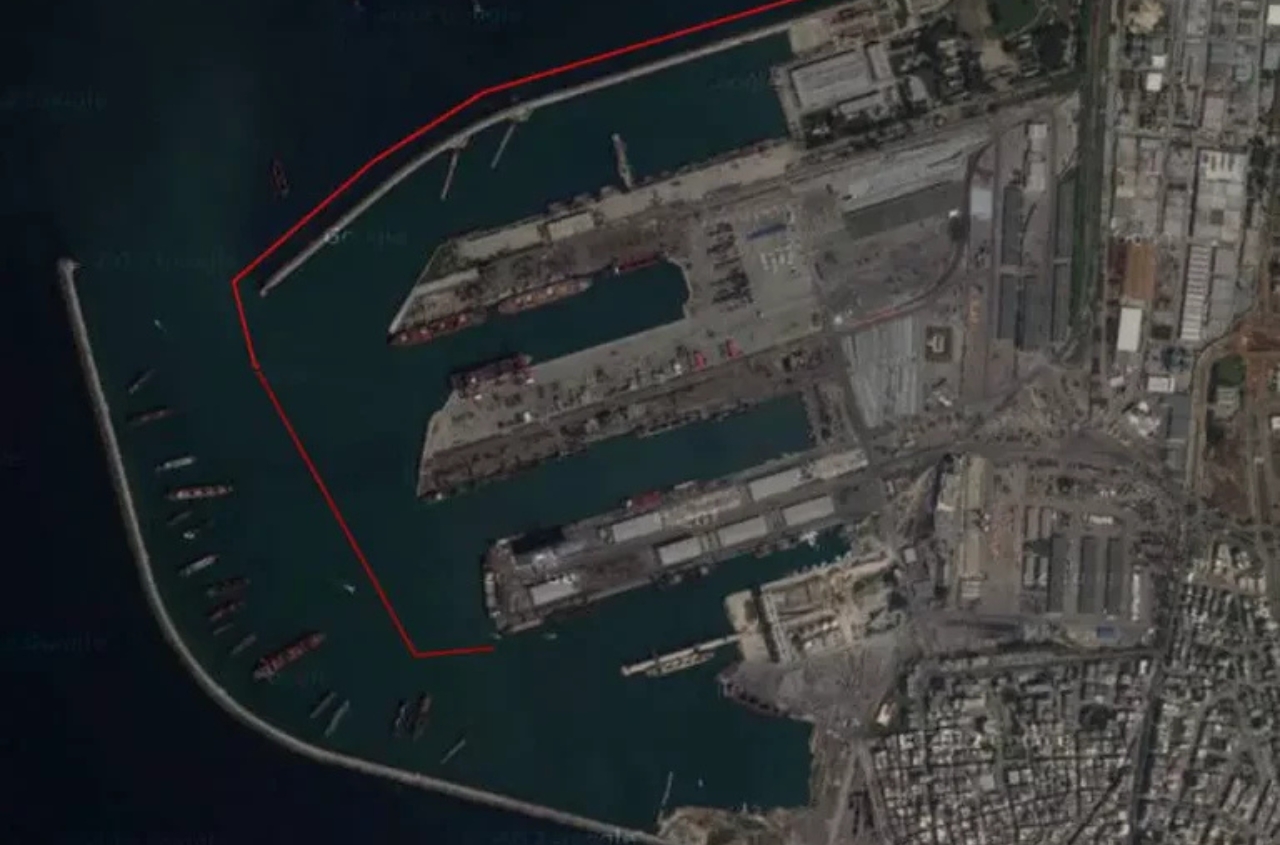
Moscow’s negotiations with Sudan to establish a permanent naval base in Port Sudan are seen as one of Russia’s key strategic moves beyond the post-Soviet space. A base on the Red Sea, a major global trade route, would allow the Kremlin to strengthen its military presence in Africa and the Middle East, while complicating U.S. operations along the Red Sea–Suez Canal–Eastern Mediterranean corridor.
Once completed, the base will become Russia’s main access point to the Indian Ocean via warm waters and serve as an advanced hub for intelligence, logistics, and naval power projection. This will directly limit U.S. military maneuverability in a region already affected by instability, Iran’s interests, and great power competition.
Moscow has been negotiating the base since 2017. The initial plan envisioned a 25-year lease in Port Sudan, hosting up to 300 Russian personnel and four ships, including nuclear-powered vessels, with free passage for Russian military cargo. Experts note that this is not merely a logistical center but a full-fledged forward naval base. Russia’s strategic objectives include ensuring access to the Red Sea and Indian Ocean, challenging U.S. dominance near the Suez Canal, developing military infrastructure in Africa to support diplomacy and Wagner and Rosatom operations, and creating leverage over Western maritime routes.
The Red Sea is critically important, carrying 12–15% of global trade, including the Bab el-Mandeb Strait and Suez Canal. Russian presence there enables monitoring of U.S. naval movements, NATO activities, and commercial shipping, while applying pressure on U.S. naval operations. The base also supports Wagner Group operations in the CAR, Mali, Sudan, and Libya, Russian diplomatic missions, arms deliveries, and resource extraction, creating a maritime lifeline for Moscow’s networks in Africa.
From Port Sudan, Russia can deploy signals intelligence equipment, electronic warfare units, maritime surveillance systems, and underwater shipping monitoring. Eventually, Moscow could station ships armed with Kalibr cruise missiles, Bastion and Bal coastal defense systems, reconnaissance drones, and air defense systems, including Pantsir, Tor, and potentially S-300, creating an A2/AD bubble near the Suez Canal and key U.S. maritime routes, limiting operational flexibility.
The base would also facilitate coordination with Iran, provide maritime logistics for Russian vessels from the Eastern Mediterranean, and operate near Houthi-controlled Yemen. The Red Sea hub supports covert transport of gold, weapons, and energy, refueling and repairing shadow tankers, maritime transshipment outside Western oversight, and movement of sanctioned goods between Africa, the Middle East, and Russia.
Sudan is viewed by Russia as a gateway to Africa, enabling coordination of Wagner operations and influence projection in the CAR, Mali, Ethiopia, and Libya, while protecting revenue sources such as gold mining, which is used to circumvent sanctions. Port Sudan provides a strategic counterbalance to U.S. bases in Djibouti, the French fleet, China’s naval presence, and Persian Gulf interests, creating a new three-way dynamic: competition between the U.S., China, and Russia.
Washington faces limited influence over Sudanese factions, lacks a strategic foothold in Sudan, has minimal sway in Eritrea, and maintains fragmented diplomacy with Red Sea states. Russia exploits this vacuum, negotiating with rival Sudanese parties and safeguarding its interests through Wagner networks and gold shipments.
Since 2017, Moscow has faced political obstacles—including the fall of al-Bashir’s regime, civil-military rivalries, civil conflict, U.S. and Gulf pressures, and internal Russian naval and financial constraints. Despite this, the Kremlin persists, as the base ensures permanent Indian Ocean access, strengthens Russia’s African strategy, challenges U.S. naval dominance near the Suez, supports Russian-Iranian cooperation, and provides strategic depth beyond Europe and the Black Sea.