


The General Staff of the Armed Forces of Ukraine has presented figures and facts demonstrating the degradation of the Russian Federation’s military and economic capabilities.
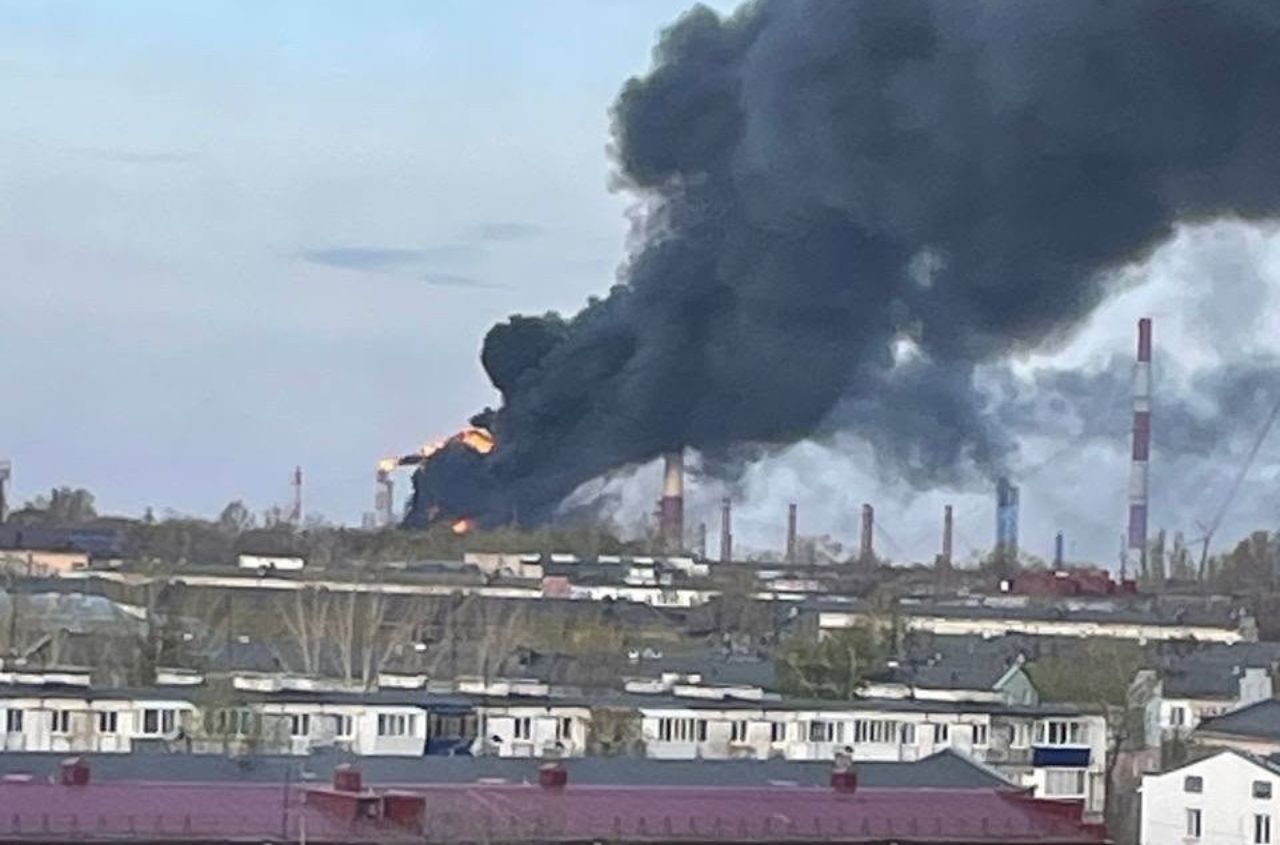
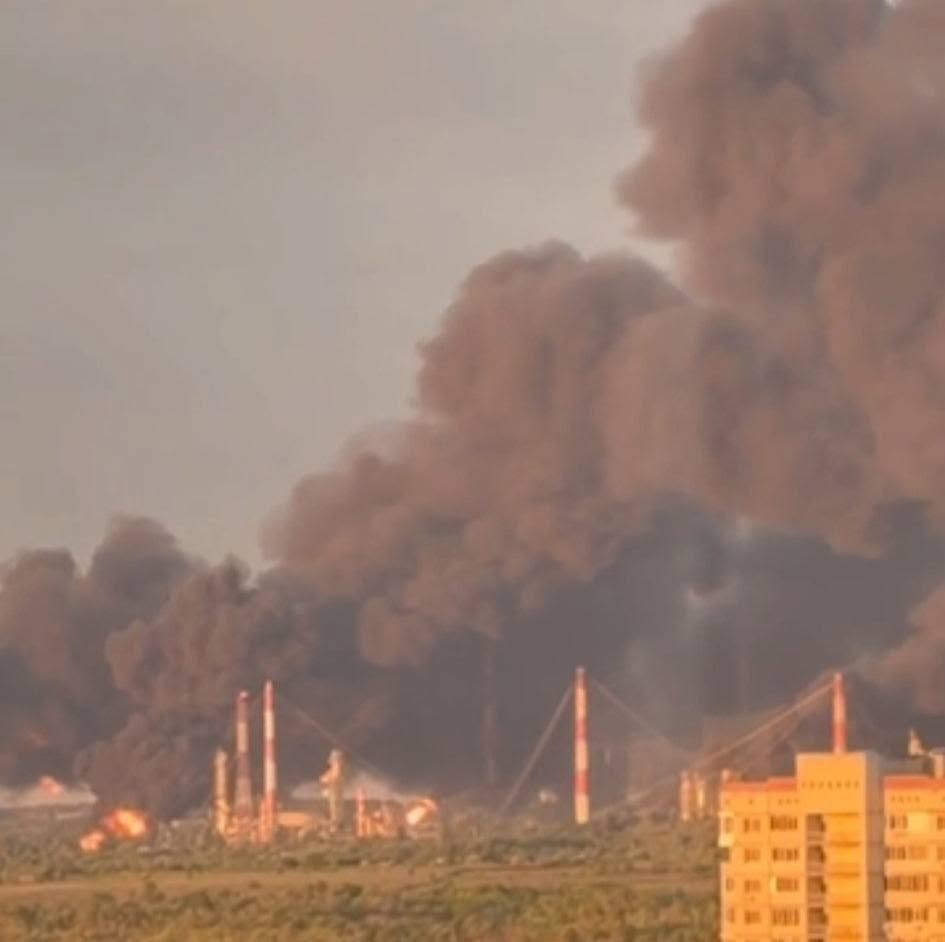
According to the General Staff, strikes by Ukraine’s Defence Forces on Russia’s oil refining infrastructure have disabled more than 30% of the Russian state's refining capacity.
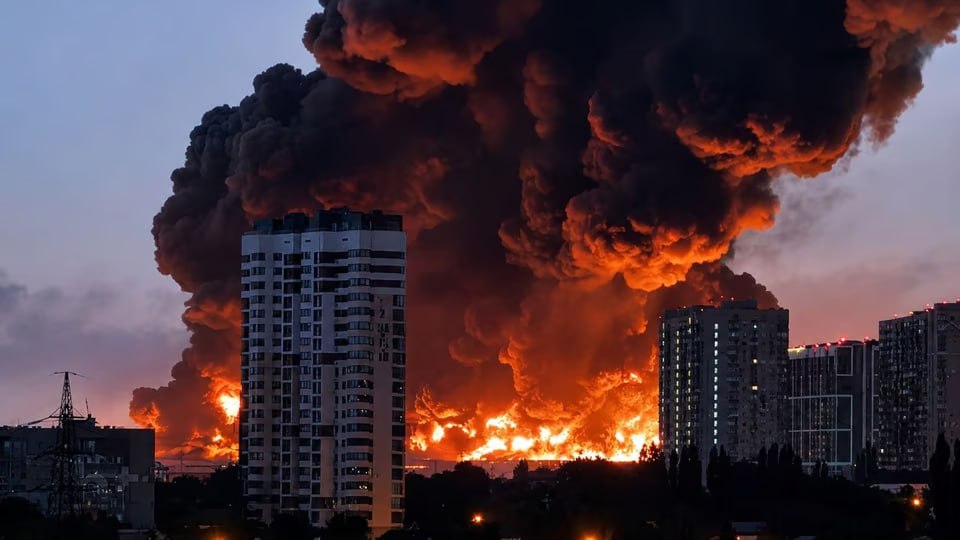
To date, 16 major Russian oil refineries and terminals have been hit, and the operation of more than 40 technological units has been halted.
“Due to international sanctions, the enemy is unable to restore them — import substitution is powerless here. Oil production is declining: there is nowhere to process it, and exports have become more difficult, making extraction less profitable. Russian oil production has fallen to its lowest annual level (9.009 million barrels per day, according to OPEC data),” the General Staff noted.
As a result of these strikes, a fuel crisis is also developing in Russia’s rear areas.
Gasoline production in Russia has dropped to a 16-year low. The Russian state has banned fuel exports, but this has not solved the shortage problem. In occupied Crimea and in the occupied parts of Luhansk region, AI-95 gasoline is being distributed through a ration-card system. At gas stations in Russia’s Kursk, Belgorod, and Pskov regions, purchases are limited to 20 liters per vehicle.
Major Russian airports are also experiencing shortages of aviation fuel, prompting restrictions on aircraft refueling.
“The situation has deteriorated to the point where the Russian government has officially allowed refineries to produce lower-quality fuel (Euro-3 standard), as they are no longer capable of producing high-quality gasoline due to equipment shortages and infrastructure damage,” the General Staff stated.
The military emphasized that every damaged refinery, every halted processing unit, and every depleted oil depot creates localized fuel shortages for Russian military equipment, reducing the number of missiles and artillery shells available on the front line and cutting revenues used to finance Russia’s war effort.
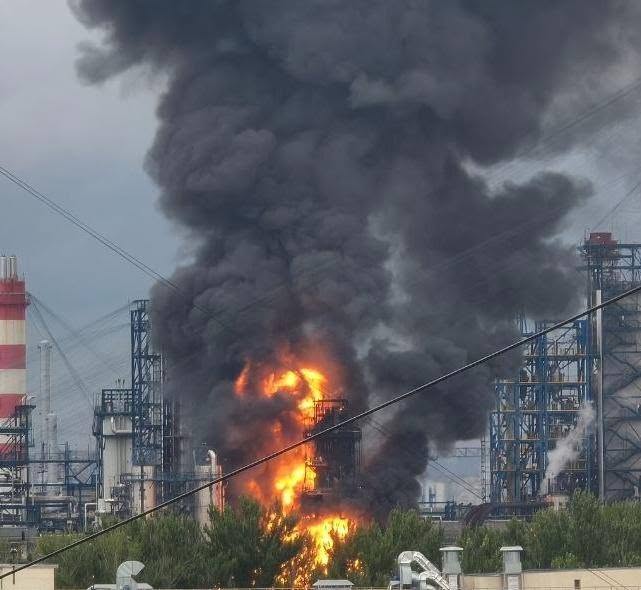
“Our long-range weapons are systematically destroying the enemy’s fuel and energy sector and military logistics network — the main engine of Russian armed aggression. As of June 2026, strikes at distances exceeding 1,500 kilometers inside Russian territory are evolving into a systemic financial, technological, and logistical paralysis of the Russian occupation forces,” the Armed Forces of Ukraine stressed.