


In downed Russian cruise missiles Kalibr intercepted in spring, specialists have for the first time identified a cluster warhead. In addition, the Russian forces has returned to imported electronics after an unsuccessful attempt to switch to Russian-made components. This was reported by the press service of the Ministry of Defense.
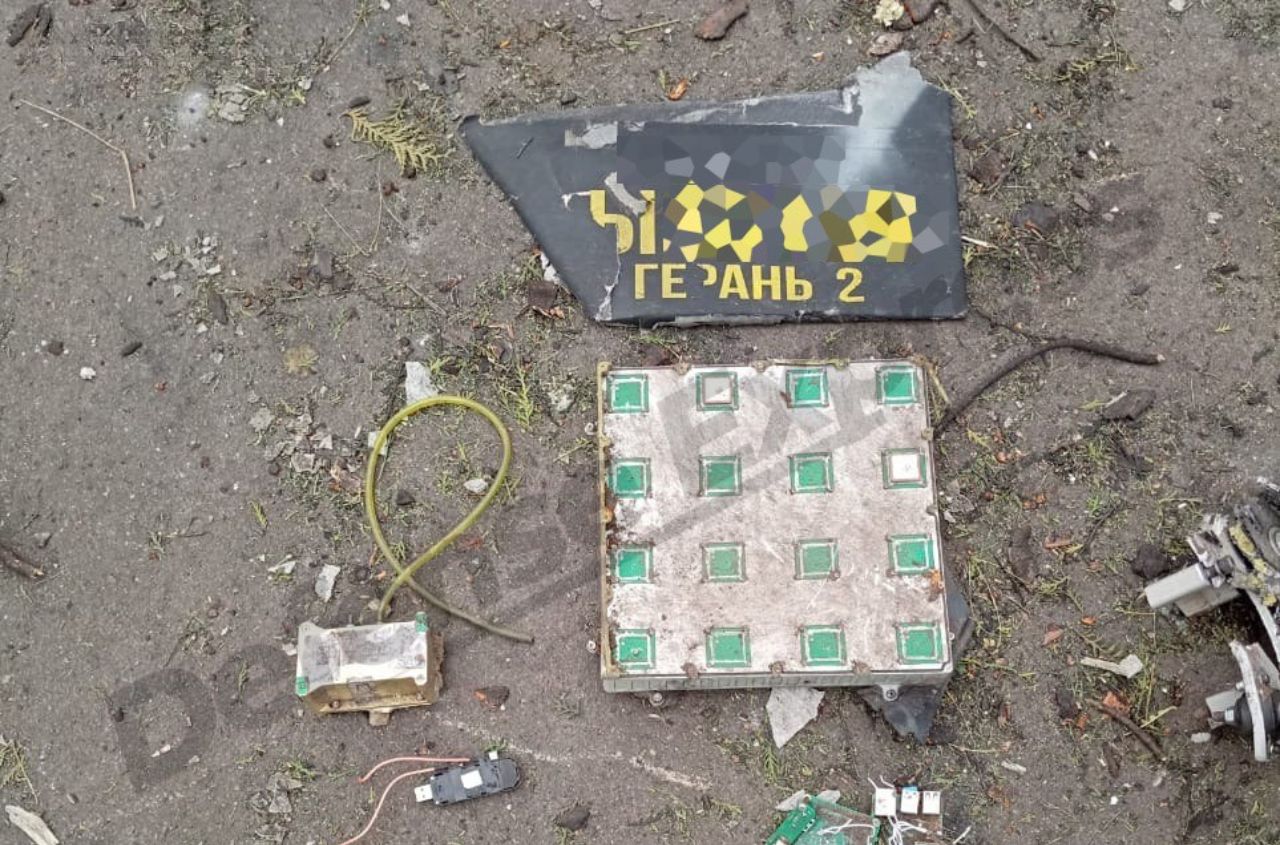
Military engineers disassembled the missiles down to their circuit boards and inspected each component.
From 2022 to 2026, Kalibr missiles were equipped with a high-explosive fragmentation warhead. On its inner lining, about 3,600 striking elements made of ordinary steel were placed. Each of them can penetrate up to 10 cm of concrete.
“In 2026, Ministry of Defense specialists recorded a fundamental change: in missiles intercepted in spring of this year, a cluster warhead was installed for the first time—similar to the one used in the Kh-101,” the report said.
This increases the affected area and may make the missiles more effective against dispersed targets, such as aircraft on airfields, hangars, and open positions.
In addition, Ministry of Defense experts noted that more than 80–90% of the components in the Kalibr guidance systems consist of foreign-made electronics. In 2023–2024, Russia attempted to switch to domestic electronics. This likely reduced guidance accuracy, so the Russian forces returned to the previous configuration.
The Ministry of Defense suggests that stocks of components purchased by Russia before sanctions were imposed have not yet been exhausted. At the same time, Ukrainian specialists have identified all manufacturers of electronics for Kalibr missiles, as well as the chief designers and managers involved in their production. This data is being transferred for further processing within sanctions policy.
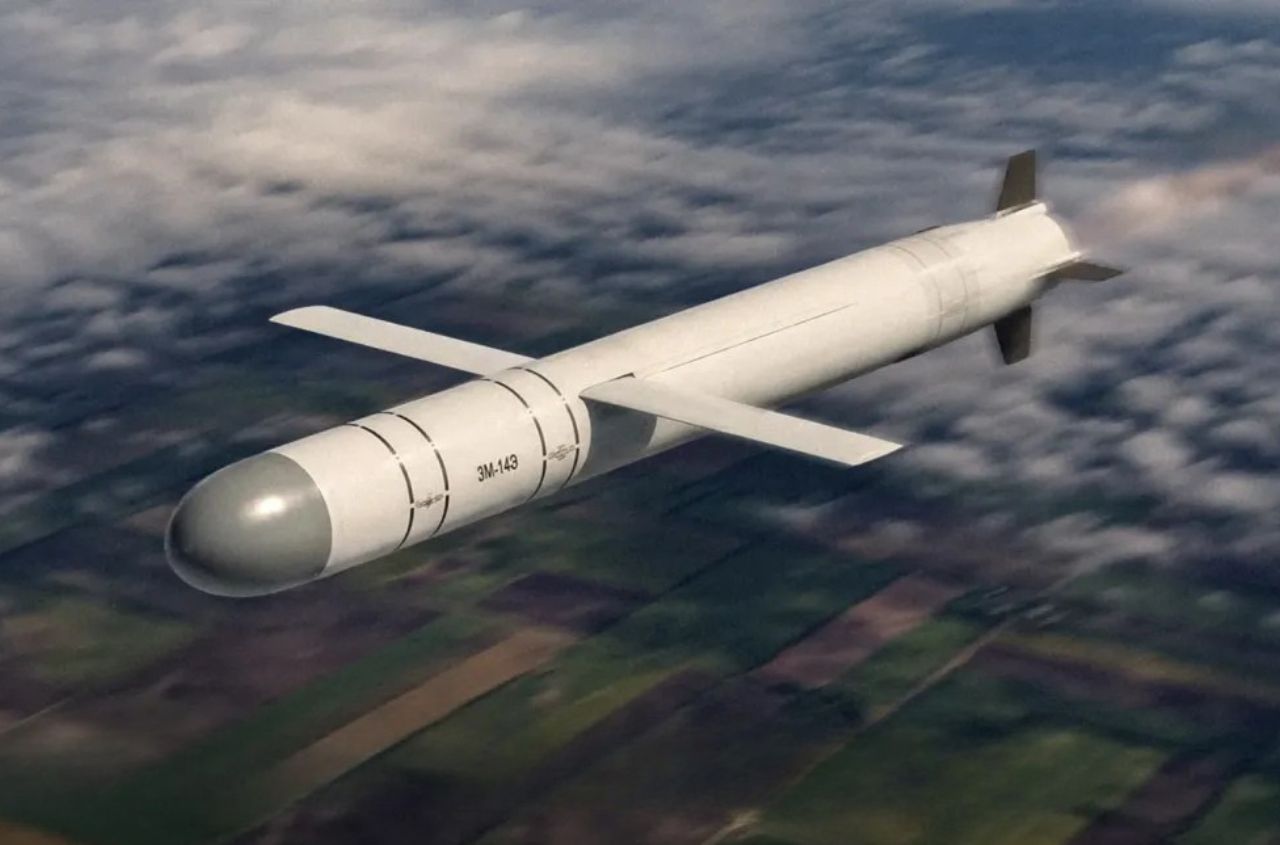
Kalibr is a subsonic missile, which is its main structural vulnerability. The missile has a body diameter of 533 mm, a wingspan of 1.7 meters, and a length of 6 to 8 meters depending on the variant. The warhead mass is 450 kg.
The missile was adopted into service in Russia in 2004. Its route is programmed at extremely low altitudes: over water up to 20 meters or lower, over terrain about 150 meters, with terrain-following guidance. The lower the flight altitude, the shorter the detection range for air defense systems. At the same time, its subsonic speed allows it to be intercepted by standard air defense systems.