


In 2025, the Support Forces of the Armed Forces of Ukraine recorded 6,540 cases of the use of hazardous chemical substances by the Russian forces. Overall, since the beginning of Russia’s armed aggression against Ukraine, almost 12,000 such cases have been documented, the Communications Department of the Support Forces Command of the AFU reported.
"Overall, since the beginning of the Russian Federation's armed aggression against Ukraine, nearly 12,000 cases of the use of hazardous chemical substances have been documented. In 2025 alone, 6,540 such cases were recorded," the Support Forces Command stated on its Telegram channel on Friday.
It was reported that the largest number of chemical attacks by Russian forces occurred in April 2025. Units of the Radiation, Chemical, and Biological Reconnaissance of the Support Forces recorded 894 cases of hazardous chemical substances being used against Ukrainian Defense Forces personnel.
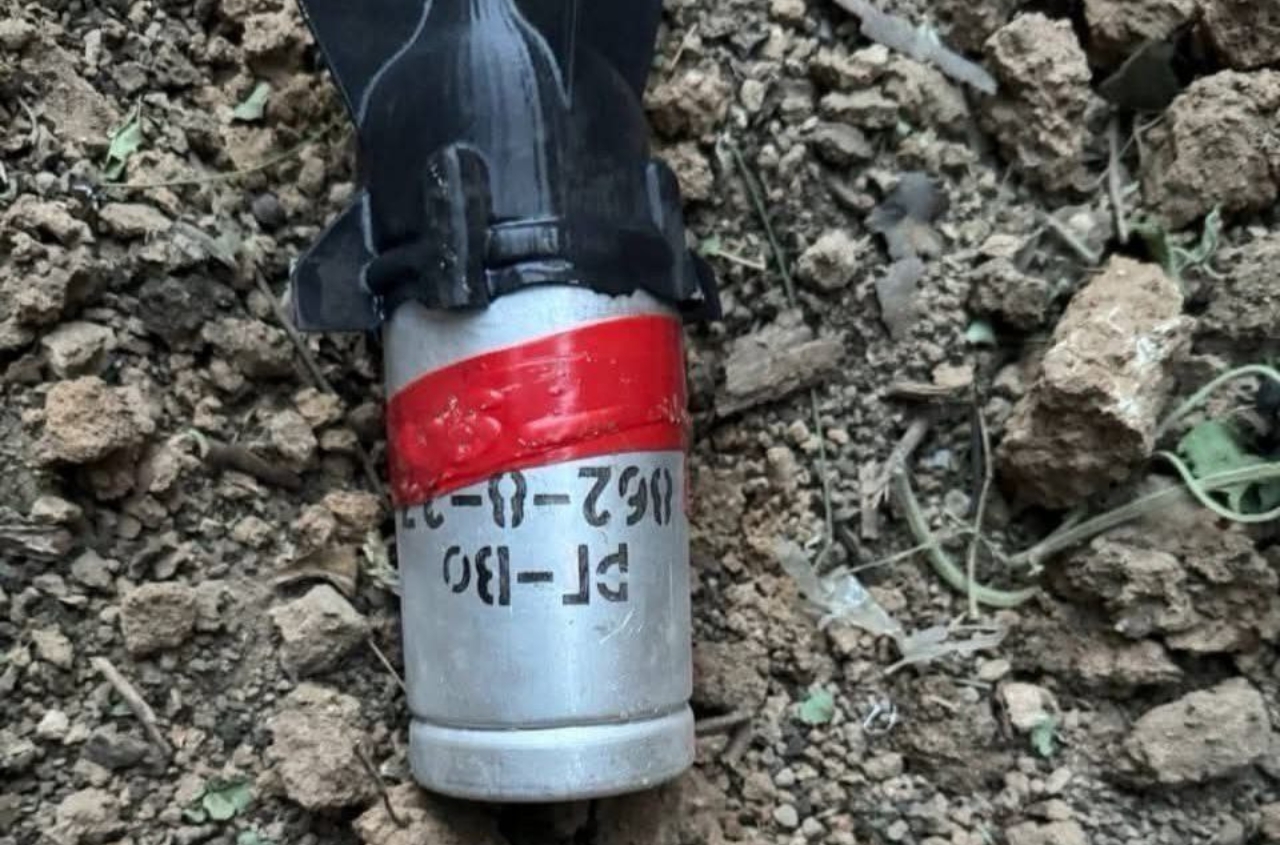
Throughout 2025, the Russian forces, alongside traditional means of firepower, regularly used specialized munitions equipped with irritating chemical substances. In particular, the adversary predominantly employed K-51 and RG-VO type gas grenades containing CS and CN chemicals. These grenades are classified as riot control agents.
It is noted that, according to paragraph 5 of Article 1 of the Convention on the Prohibition of the Development, Production, Stockpiling, Use, and Destruction of Chemical Weapons, the use of such substances as a means of warfare is prohibited. CS and CN substances are officially used by law enforcement agencies in some countries only in peacetime for policing purposes, such as controlling mass disturbances, and only under strict compliance with established norms and restrictions.
"At the same time, in combat conditions, the use of CS and CN is illegal and dangerous. Their use on the battlefield is intended to temporarily incapacitate personnel, violates international law, and poses a threat to the life and health of Ukrainian Defense Forces personnel," the statement said.
These substances cause severe irritation of the eyes and respiratory tract, tearing, coughing, choking, disorientation, and temporary loss of combat effectiveness. In some cases, the symptoms described by service members may partially overlap with the effects of other chemical irritants, including riot control agents or mixtures of unknown composition.