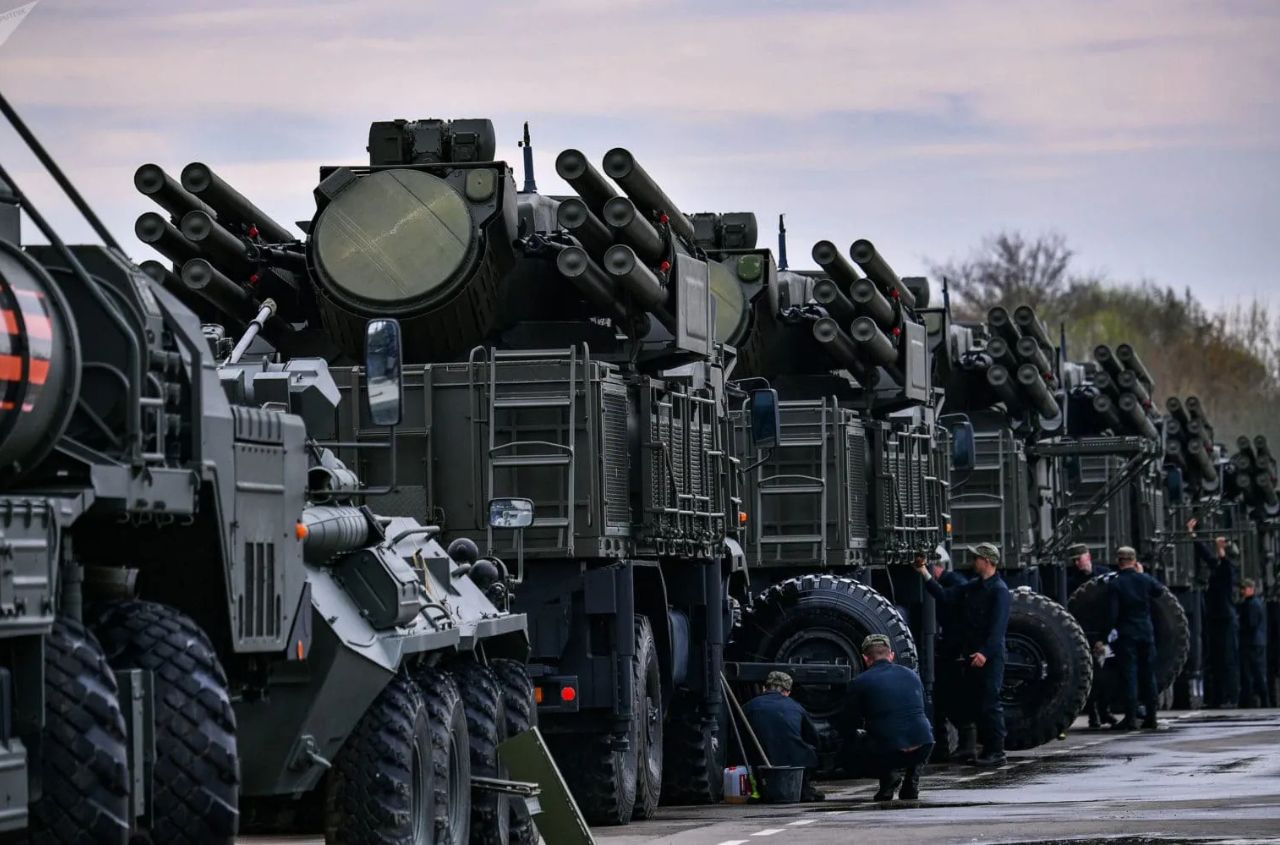



Military spending will remain the top priority in Russia's budget planning for the next three years, Russian President Vladimir Putin said on Monday, according to The Moscow Times.
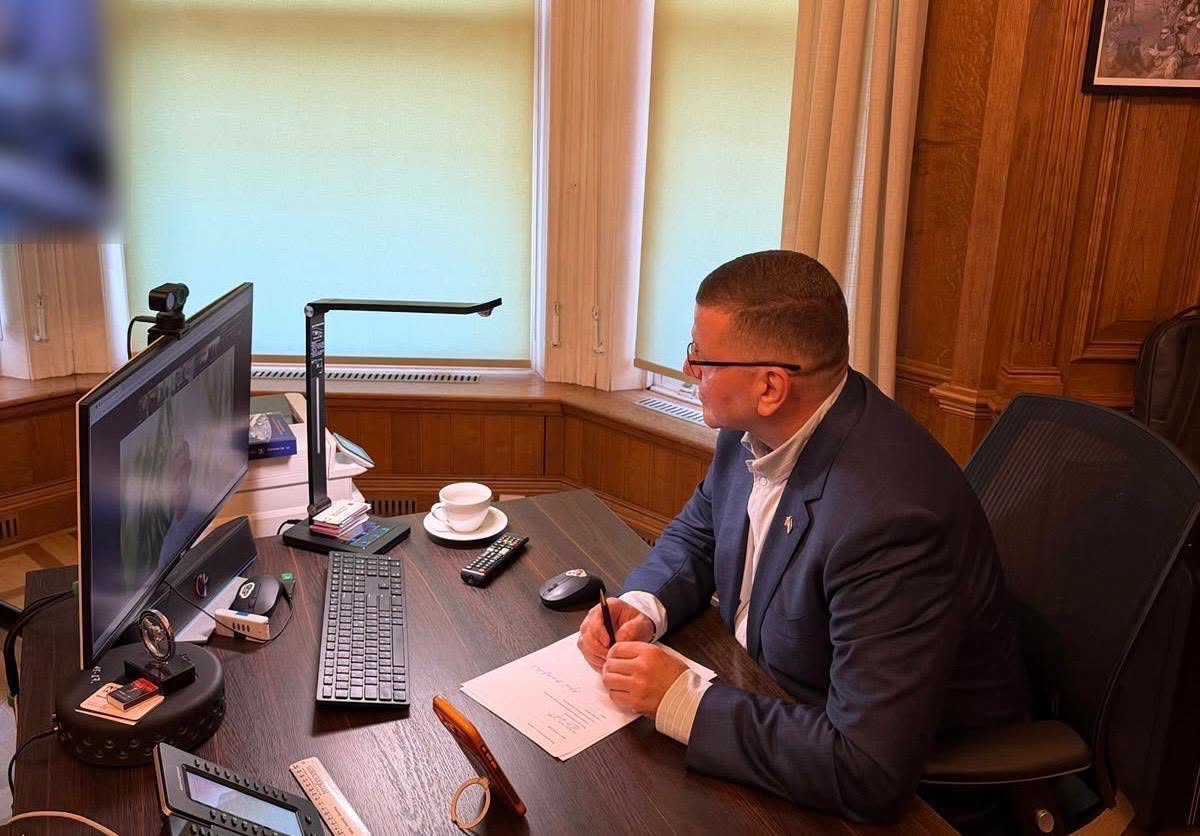
Speaking at a meeting with deputies of the eighth convocation of the State Duma, whose term concluded on July 27, Putin accused the West of launching a "Russophobic machine" and imposing record numbers of sanctions, adding that "no one will ever succeed in breaking the Russian people."
"Our political system and state institutions are built on sovereign principles in full accordance with the Constitution of the Russian Federation. They are ready to defend the country and, together with society, are capable of delivering a decisive response to any hostile actions," Putin said.
According to Putin, alongside strengthening Russia's defense capabilities, the 2027–2029 federal budget should also prioritize "addressing the most urgent social needs."
Russia's 2026 budget law initially allocated 12.9 trillion rubles ($164 billion at the current official exchange rate) for national defense. However, the actual military budget is expected to exceed that figure by 4–5 trillion rubles, according to Bloomberg sources familiar with the matter. To finance the additional war-related spending, Russia's Finance Ministry is reportedly preparing cuts to civilian expenditures and plans to raise an additional 2–3 trillion rubles through borrowing.
Based on Russian Finance Ministry data, Janis Kluge, a researcher at the German Institute for International and Security Affairs, estimated that Russia's war-related spending reached 5.9 trillion rubles during the first quarter of 2026 alone.
Compared with the same period last year, spending on the military and weapons production increased by 29.9%. It was 68.7% higher than in the first quarter of 2024, 129% higher than in the same period of 2023, and 4.6 times higher than in the first quarter of 2022.
According to Kluge's calculations, Russia's full-scale war against Ukraine has cost Russian taxpayers a cumulative 53.079 trillion rubles ($746.6 billion) since 2022. He noted that this amount is equivalent to 28 years of Russia's current healthcare spending, 30 years of education spending, or 100 annual budgets of large Russian regions such as Krasnoyarsk Krai or Sverdlovsk Region.
Emil Ablaev, a leading analyst at the Center for Macroeconomic Analysis and Short-Term Forecasting (CMASF), said prioritizing defense and security spending is forcing the government to become "more selective" in financing other sectors.
At the same time, he argued that the government's ability to raise additional budget revenue through repeated tax increases is becoming increasingly limited.
According to Ablaev, despite increases in corporate profit taxes and vehicle recycling fees last year, budget revenues fell 3 trillion rubles short of expectations. This year, he said, the situation has worsened. Although the Finance Ministry raised the value-added tax (VAT) rate to 22%, the federal budget deficit had already reached nearly 6 trillion rubles by the end of the first half of the year. He forecasts that the deficit could widen to 7 trillion rubles by the end of 2026.