



The Odesa – UNESCO City of Literature Office continues to build bridges between UNESCO Cities of Literature and Odessa, fostering dialogue, exchange, and shared literary experience across cultures.
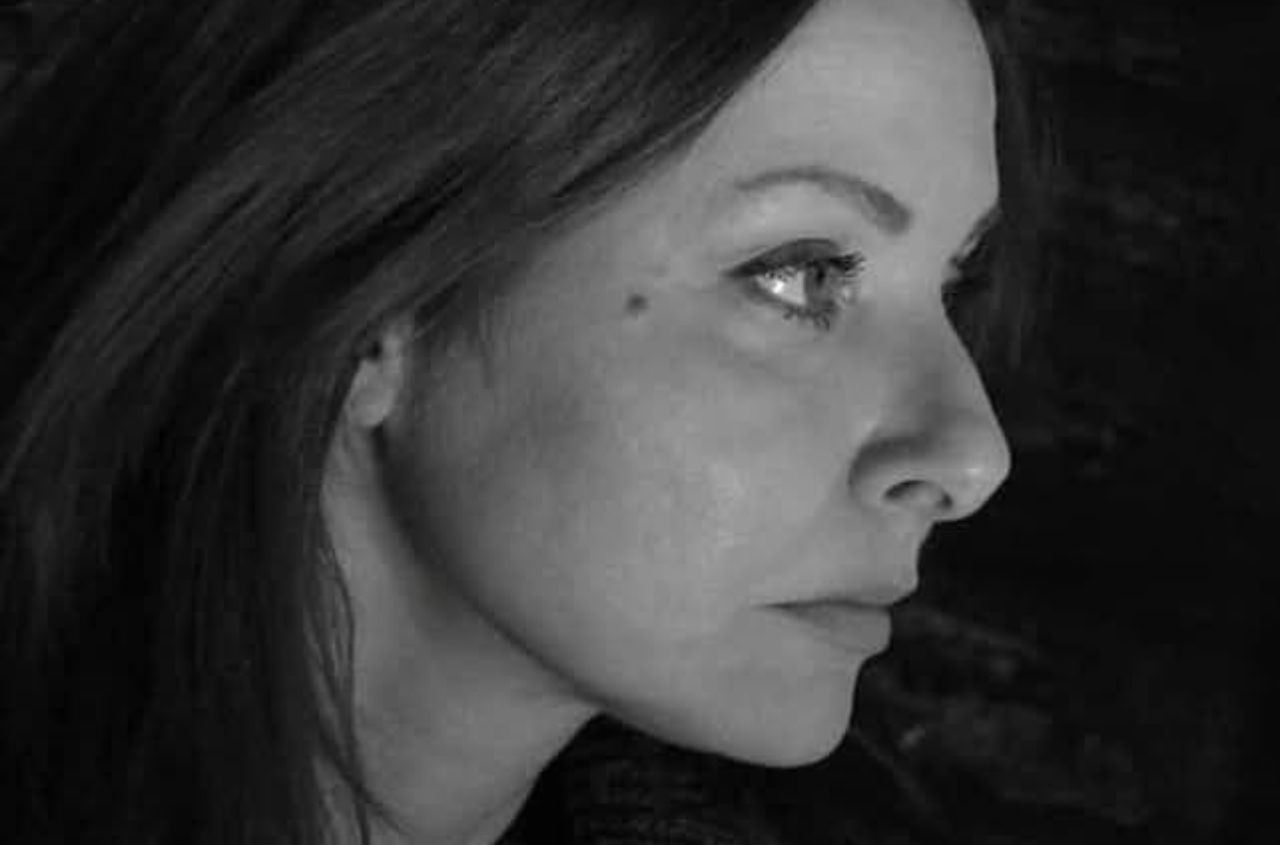
The latest installment focuses on Okayama, Japan, and introduces Ms. Rie Muranaka — a Japanese children’s writer and curator of the collaboration project with the MISONO Kodomo-no-Ie children’s home, where she works closely with children’s creative writing practices through the yomuhumu initiative.
In Okayama, literature is understood as something that extends beyond the page. It becomes a space for listening, healing, and shared attention. Within this approach, a collaborative initiative was launched three years ago between the city administration, welfare institutions, and academic partners: the yomuhumu project.
At the MISONO Kodomo-no-Ie children’s home, children who cannot live with their families due to difficult circumstances are invited to engage with stories and to express their inner world through language. Writing poetry is one of the ways they explore their feelings, imagination, and sense of self.
The poems presented in this project were written by elementary school children living at the home. Imagining places they have never seen, they transform simple impressions into poetic images that are at once fragile and striking. Each poem holds a moment of perception — a voice, a rhythm, a glimpse of thought — that feels both fleeting and deeply present. Even in their simplicity, these texts reflect the wholeness of a child’s inner world and the sincerity of their gaze.
The project does not aim to teach children how to write “good” poetry in a formal sense. Instead, it creates a space where words can be discovered as a form of support — where expression becomes a way of understanding oneself and connecting with others.
Ranan — a 4th-grade student
The Red Pumpkin
One of my happiest memories
is seeing the Red Pumpkin on Naoshima.
Inside the pumpkin,
a dim red light was glowing,
just faintly.
It looked completely black.
On the outside, it had black dots.
I stuck my face out through one of the holes
and someone took a picture for me—
an adult.
I made a peace sign.
Before I knew it,
I was surrounded by lots of people,
even though inside
it had felt like no one was there.
On the way back, in the car,
we were all loud and excited.
My friend went guu-kaa, guu-kaa,
sound asleep.
Commentary by Rie Muranaka (the coordinator of the project):
This poem was also written by Ranan, a fourth grader, immediately after finishing her first poem. She began speaking quietly, as though she were following the memory from its center outward. Her descriptions—“a dim red light,” “glowing softly,” “completely black”—were chosen slowly, as if she were checking each shade of light that still lived in her mind. The contrast between inside and outside appears naturally in her lines.
“Inside, it felt like no one was there,” she says, and then, “Before I knew it, I was surrounded by lots of people.”
The shift is simple, yet it captures the way a child experiences space—first inward and quiet, then suddenly open and bright. When she described sticking her face out of one of the pumpkin’s holes and making a peace sign for the adult who took her picture, her voice softened as if she were standing there again, half in shadow and half in sunlight.
The final scene in the car, where her friend sleeps “guu-kaa, guu-kaa,” adds a warm closeness to the memory. The poem traces a small journey: from darkness to light, from being alone to being among others, from quiet observation to shared excitement. Through her steady, attentive language, Ranan lets the memory unfold gently, allowing us to feel the rhythm of her experience without explaining it.