

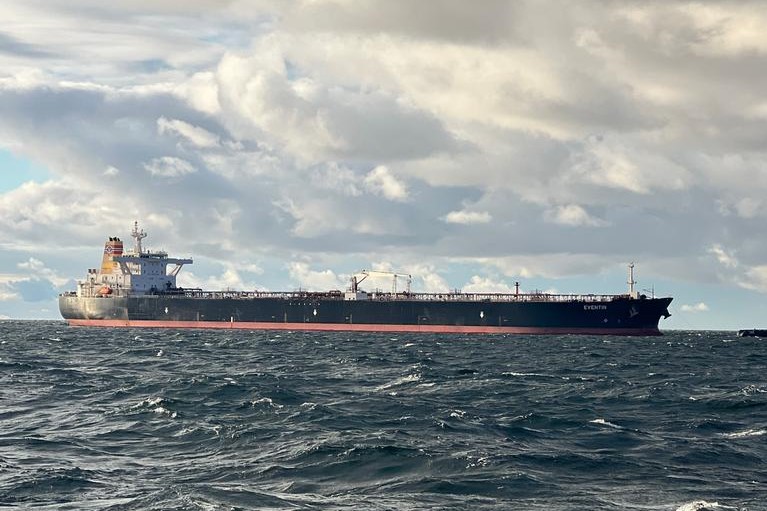

In November 2025, 123 tankers involved in Russian oil and petroleum exports departed from Russian ports, 17 fewer than in October. Of these, 92 vessels belonged to the core of Russia’s “shadow fleet” (77 under sanctions, 15 not), and 31 vessels were outside this core (10 under sanctions, 21 not, including seven new ones).
This was reported by the Foreign Intelligence Service of Ukraine.
Russian oil exports fell to 14 million tons (101.8 million barrels), down 2 million tons compared to the previous month. The largest decreases were in shipments to India, China, and Turkey, with a combined decline of 4.6 million tons. Exports to other destinations also decreased by 0.7 million tons.
2025 became the first year since the start of the war in which Russian oil production and refining showed a sustained decline. The Russian budget is losing at least $37 billion in oil and gas revenues, while Russian oil companies and the energy sector are losing additional tens of billions of dollars.
The first month of U.S. and EU sanctions against Rosneft and Lukoil led to a noticeable reduction in Russian oil imports by China. From October 23 to November 21, shipments fell from 41.7 million to 37.2 million barrels (–11%). Daily average imports decreased from 1.39 million to 1.24 million barrels, and Russia’s share of Chinese imports dropped from 14.7% to 11.2%. In December, Rosneft and Lukoil announced only three voyages each to China, signaling a sharp reduction in their presence in this key Asian market.
China quickly covered the deficit through suppliers from the Middle East and Africa, including Saudi Arabia, Oman, and Angola. In just one month, these countries displaced Russia from the position of the largest supplier, pushing it to second place.