

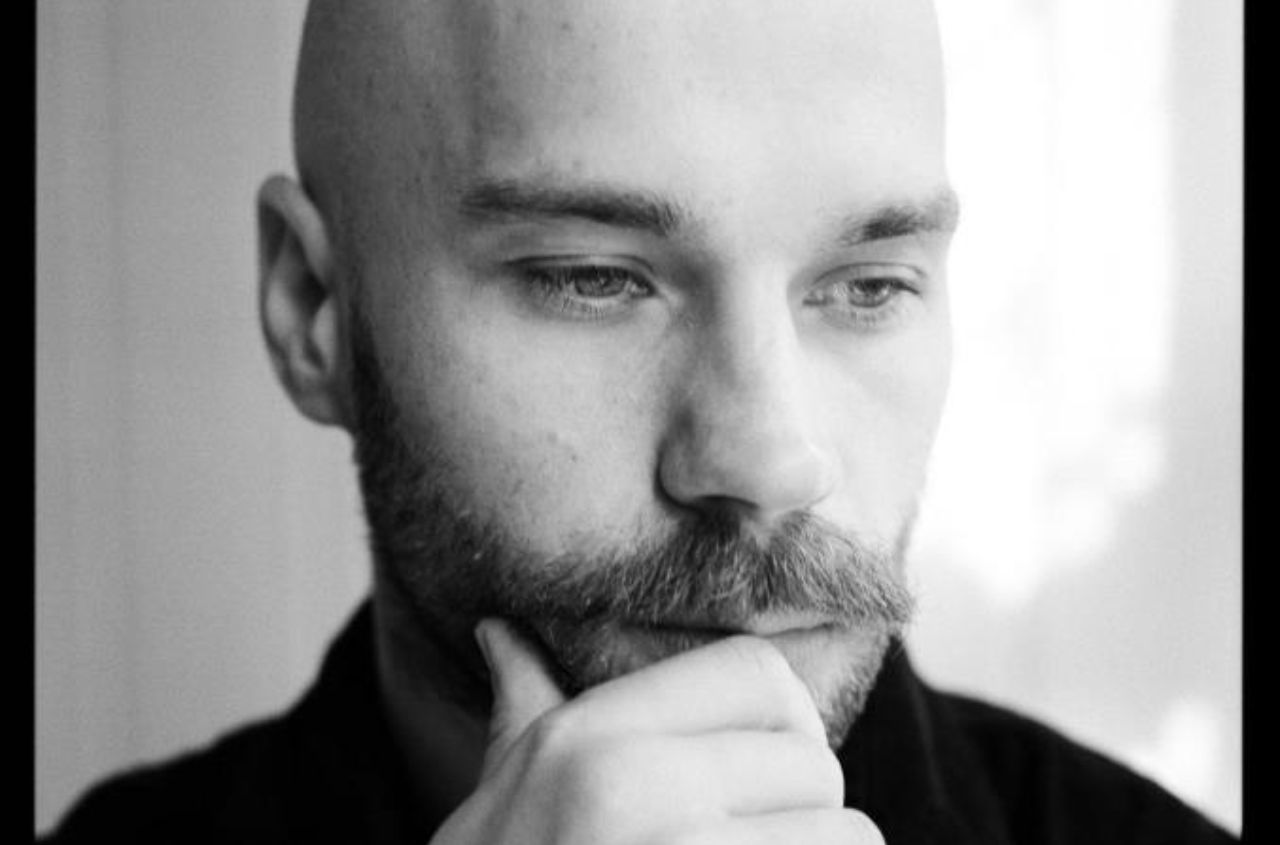

Main image: Yehor Khor
The fiftieth interview through images by Andrey Sheptunov
Contemporary art is always a dialogue, but not every artist is capable of conducting it in so many visual languages simultaneously. Yehor Khor is an author whose work escapes strict boundaries and usual academic classifications. His works are a complex, multi-layered universe where every stroke and every detail serve as guides into the deep labyrinths of the human subconscious.
Reading into the titles of his works and peering into their essence, it is impossible not to notice the subtle philosophical thread running through the author's entire creative path. From piercing existential reflections in the spirit of "Why Heaven if there is no Eve" to the fragile processes of memory fixation in the diptych "Forgetting/Remembering" — Khor explores not just the surrounding reality, but how this reality is refracted within us.
The artist's striking material freedom deserves special attention. He does not limit himself to traditional canvas and acrylic, boldly experimenting with textures, density, and volume. Ballpoint pen on cardboard, polymer clay on fiberboard, graphic liners, and even mosaics organically coexist in his arsenal. Each chosen material here is not an accident, but a conscious tool that allows for the most accurate and incisive transmission of the intended emotion.
Yehor Khor's art requires the utmost involvement from the viewer and a readiness for a candid, sometimes uncomfortable conversation. These are not objects you can simply skim with a glance. They create a dense gravitational field of meanings around themselves, forcing you to freeze in the ringing silence before the mosaic "Above All" or to feel the pulsating energy of freedom hidden in the images of "Ivanko and Marichka".
For Khor, form, texture, and color often play not a decorative, but a fundamental, meaning-making role. His works can act as a bold visual manifesto, like the sculptural "Suitor", or hide deeply personal, intimate messages within themselves. It is this sincerity, sometimes bordering on total vulnerability before the viewer, that makes his art truly alive and resonating.
Immersing oneself in this author's world is always a kind of challenge to one's own perception. Someone will find bright nostalgia in his images, someone — a reason for heated discussions and polar opinions, and someone will see a direct reflection of their own fears. Yehor Khor does not dictate ready-made answers; he only slightly opens the door, offering the viewer to look beyond the edge of the ordinary themselves.
That is exactly why, in an attempt to reveal the author's inner world, we turn once again to our regular column where words fade into the background. The rules of this format remain unchanged and beautiful in their straightforwardness: we ask the artist questions, and he answers them exclusively with his artworks.
We invite you to follow this unique dialogue, where paintings, sculptures, and graphics speak for themselves, becoming the most accurate and honest answers.
1. Which of your works best conveys the feeling of absolute freedom?
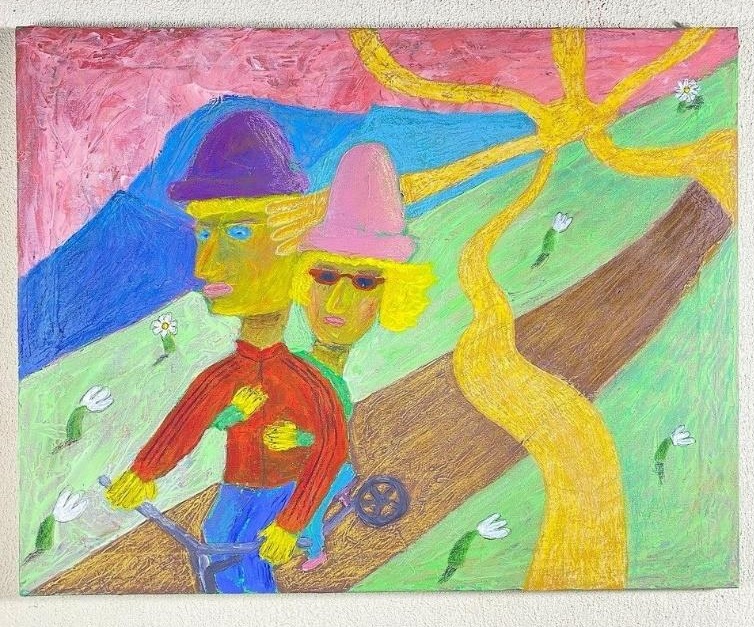
2. Which of your paintings became a real challenge for you during the creation process?
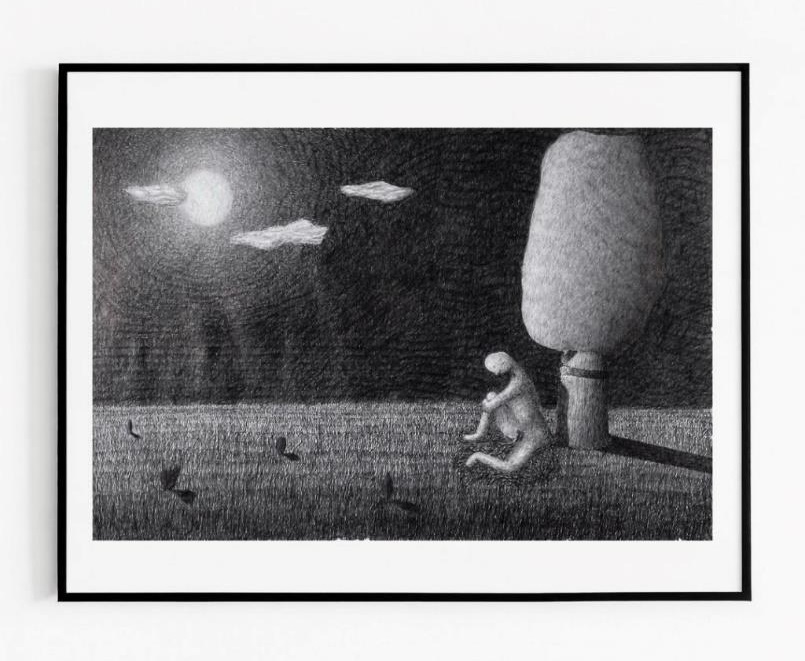
3. Which artwork most accurately reflects your inner dialogue with the surrounding space?
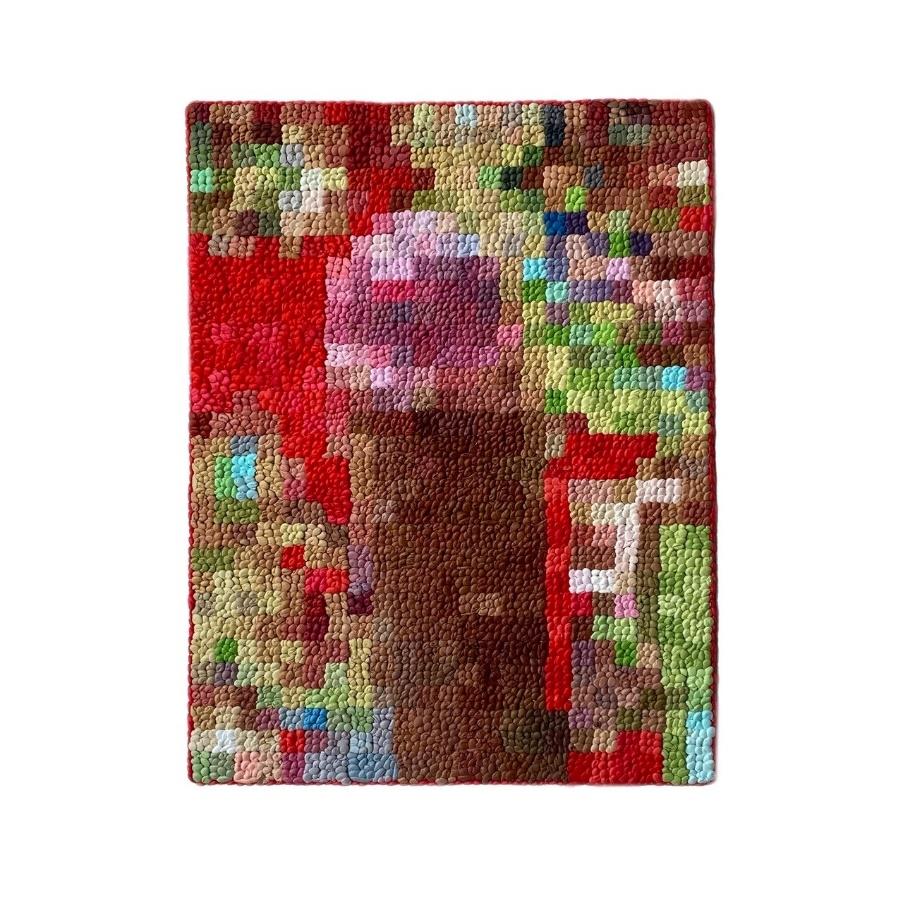
4. Show us a work where form or color plays the main semantic, rather than decorative, role.
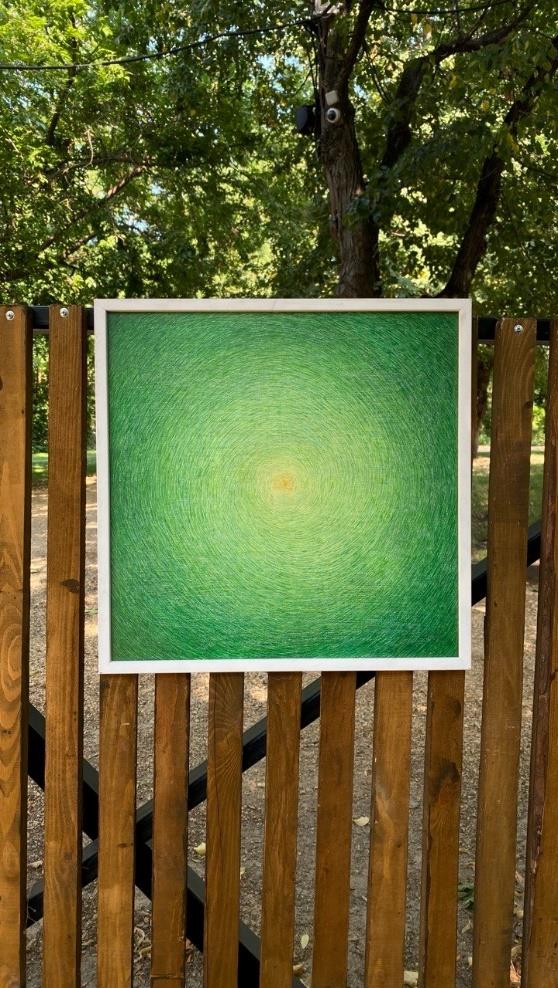
5. Demonstrate an artwork that you consider your boldest visual experiment.
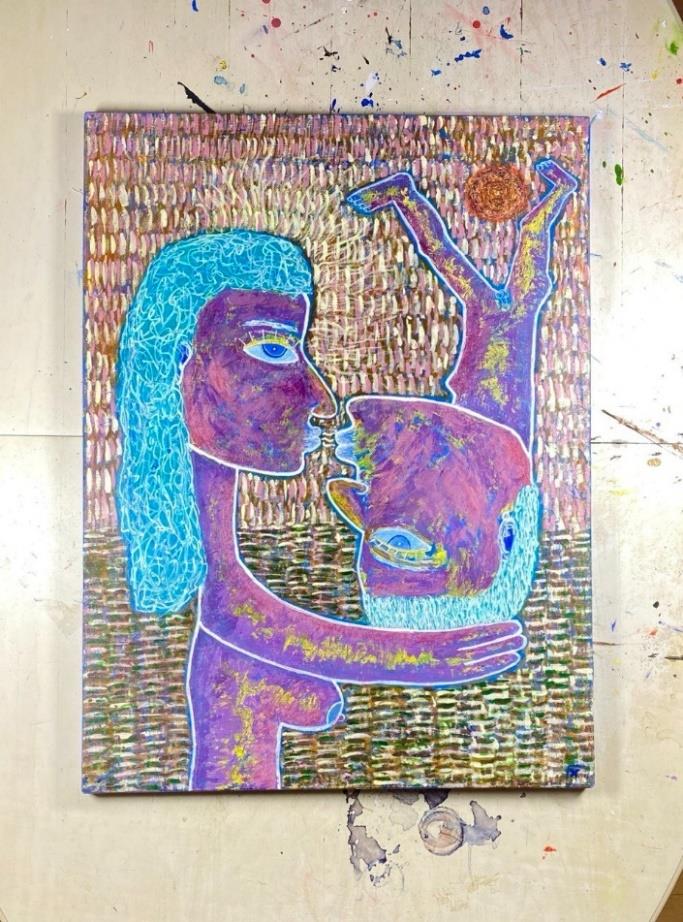
6. Show us a painting in which the most personal message is encrypted.
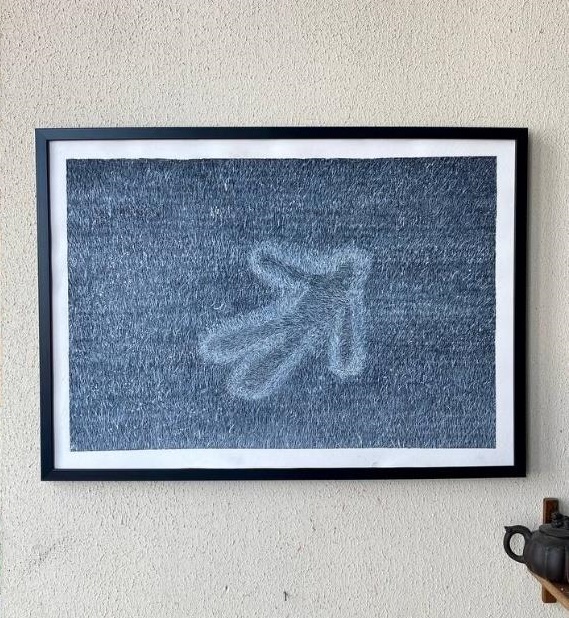
7. Which of the paintings is your kind of visual manifesto?
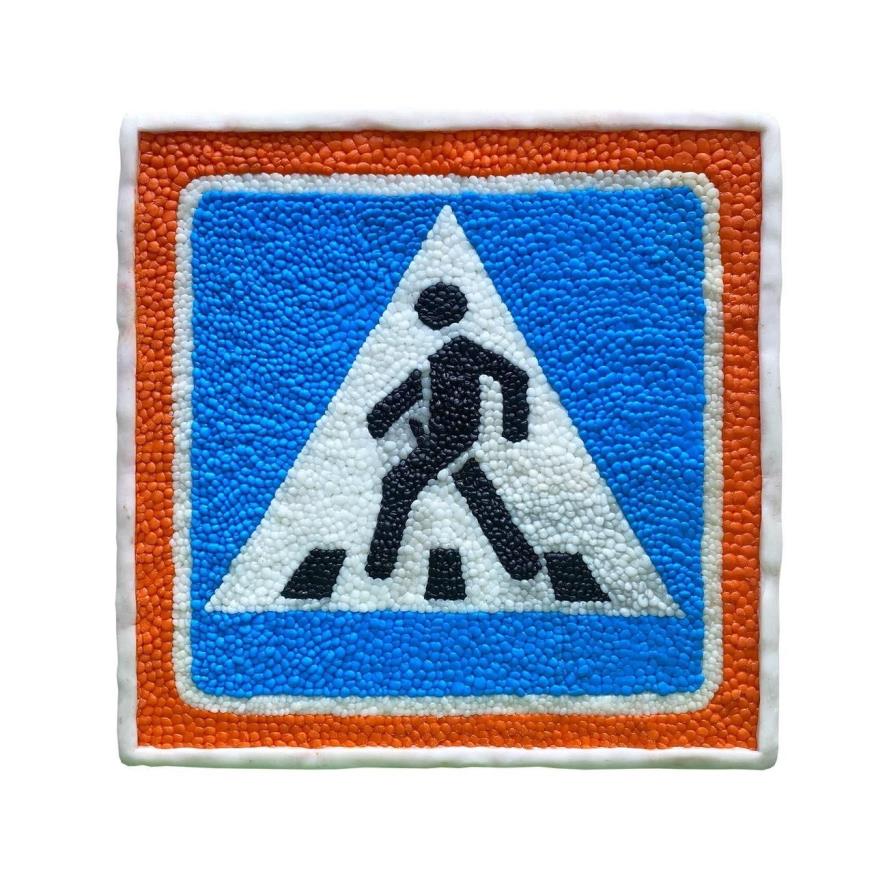
8. Which of your works reflects the most turning point in your creative search?
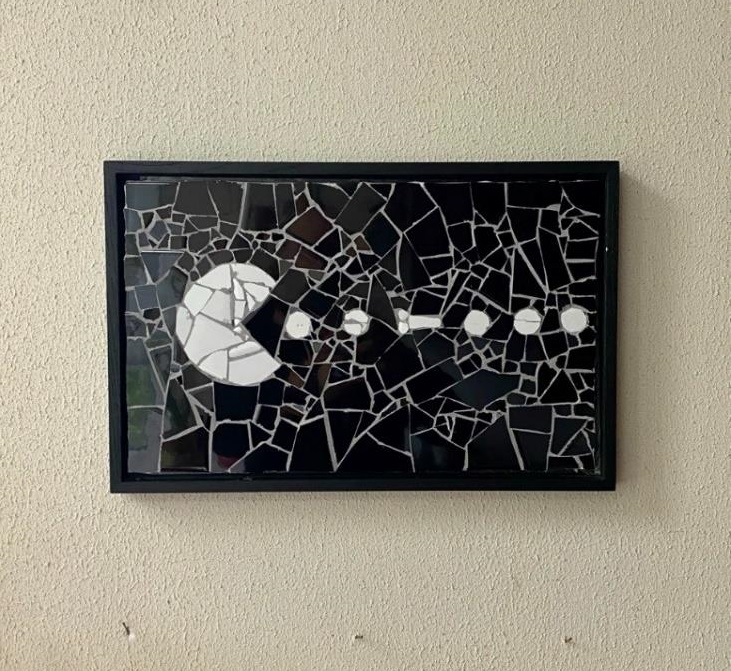
9. Demonstrate a painting that you would advise the viewer to look at in complete solitude.
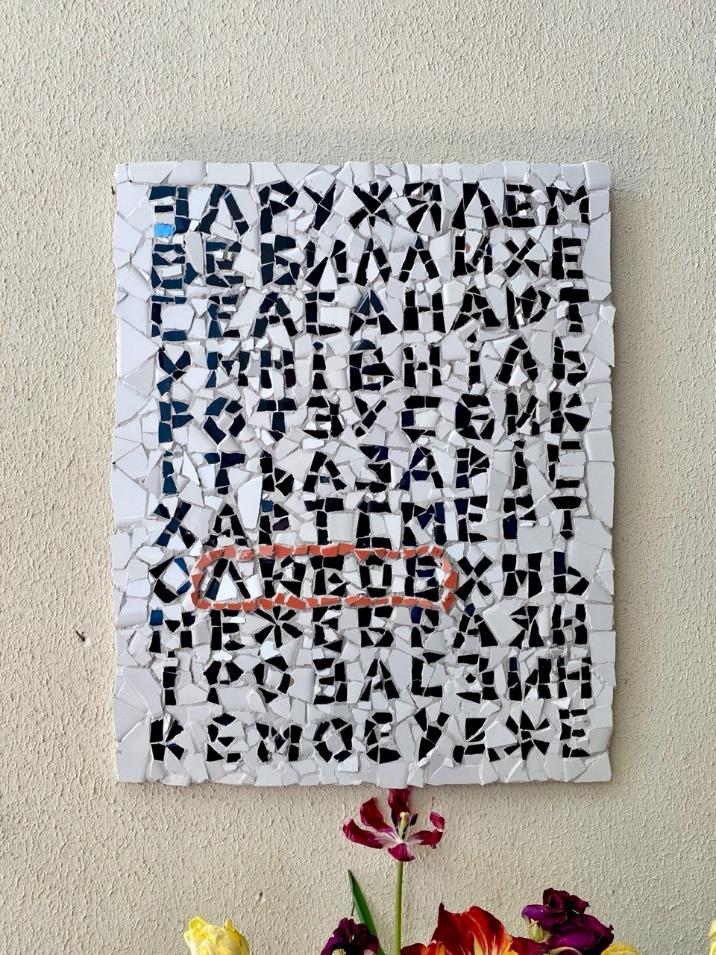
10. Which of your creations causes the most controversy or polar opinions among the audience?
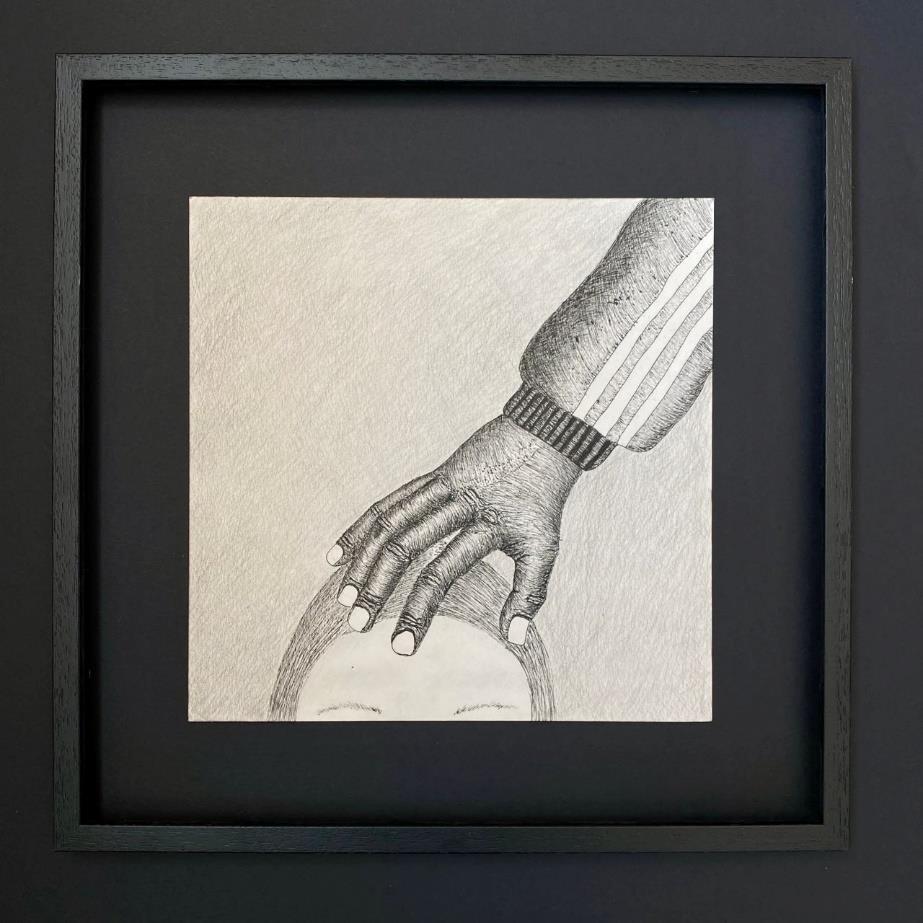
11. Show a work inspired by a feeling of bright nostalgia or deja vu.
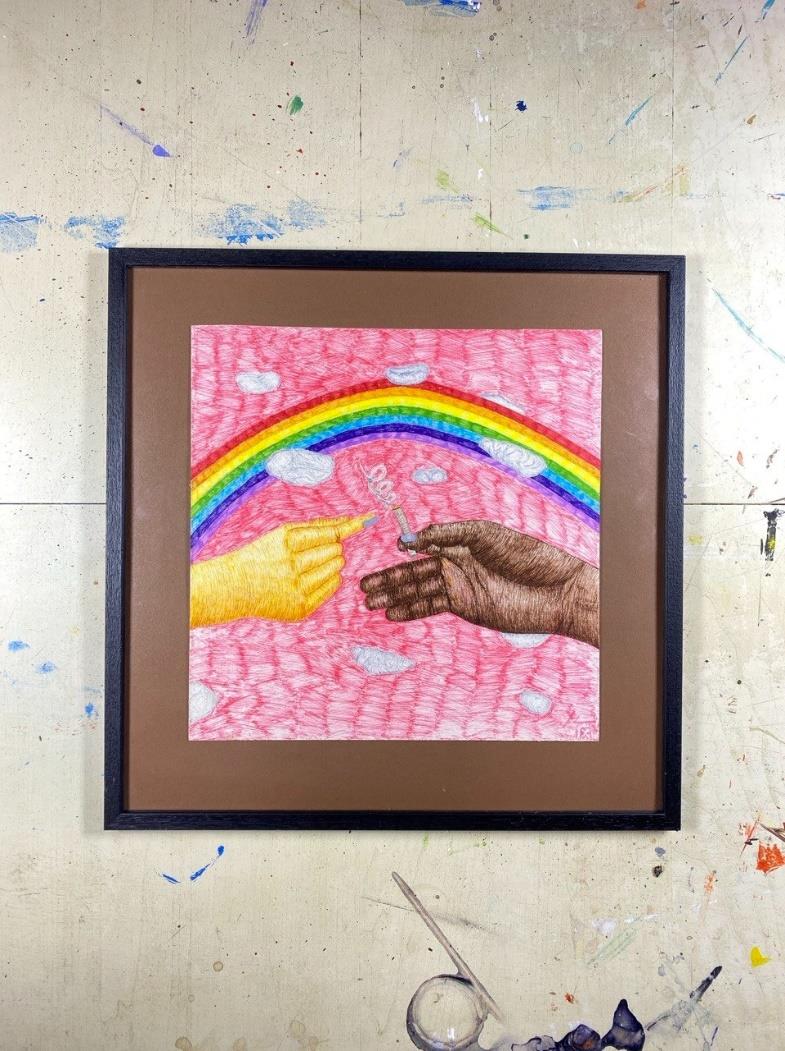
12. Which artwork would you choose to introduce yourself without words to a person who has never seen your art?
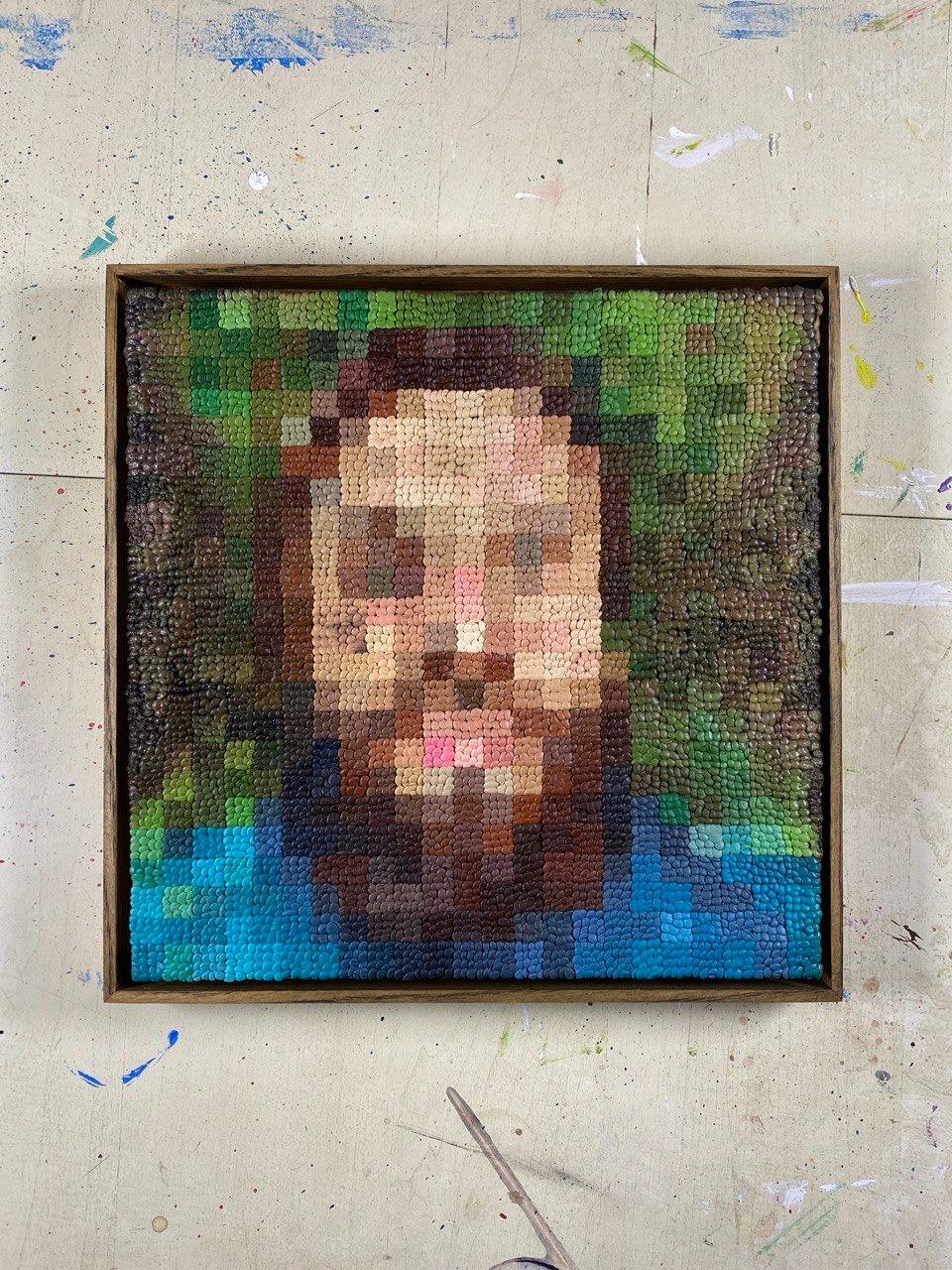
This visual dialogue is just a slightly opened door into the massive and multifaceted universe of the author. Answering our questions with his artworks, the artist demonstrated how eloquent form, color, and chosen material can be when they replace words. Each presented work does not put a full stop, but rather leaves an aftertaste and invites the viewer to further, independent reflections.
The creative search is a continuous process that never freezes in one spot. To continue exploring this profound art, to observe bold experiments, and to be the first to see the birth of new visual manifestos, we invite you to join the author in his digital space.
You can continue the immersion and follow new projects on the artist's official Instagram page.