

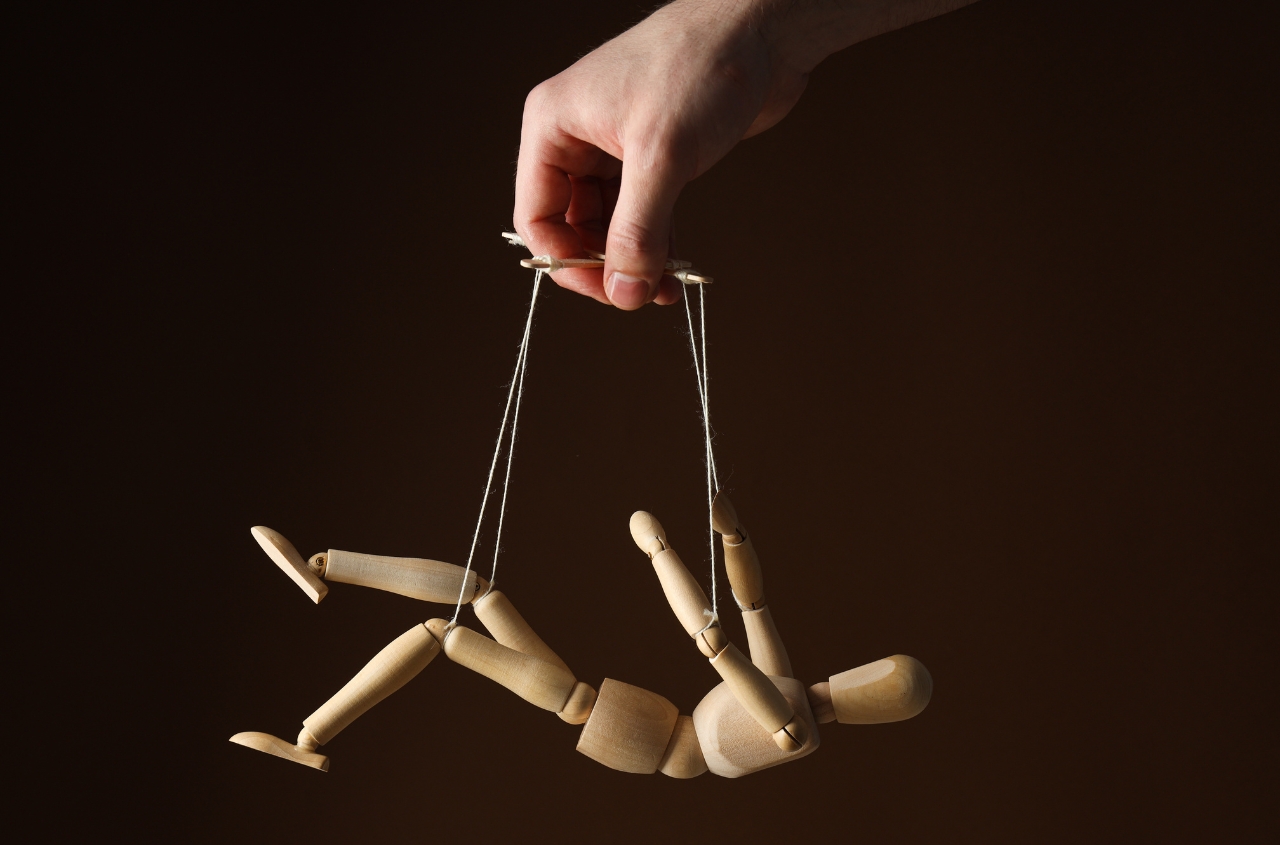
All dictatorships like to talk about a “special path” and their uniqueness, but in reality, the principle of their operation is extremely simple. The goal of any dictator is to destroy horizontal connections and trust between people, because any informal association can pose a potential threat. Trust is the infrastructure of self-organization. People who trust each other can unite without permission, coordinate without bosses, and act together in critical moments.
That’s why every dictatorship inevitably sows suspicion. A neighbor writes anonymous tips, a colleague is a potential threat, initiative is punished, stay quiet and don’t stand out, be like everyone else, do you really need more than anyone else? There’s suspicion that you, dear friend, are a snitch. In the short term, this works: people atomize, and fear replaces solidarity.
But then a huge “tax on distrust” kicks in, paid by everyone. Watchmen, inspectors, controllers, notaries, law enforcement, audits, reporting, passes, stamps, certificates, and endless checks appear. This “watchman syndrome” is incredibly costly for society. You have to pay salaries to those who watch and those who watch the watchers, build surveillance systems, punish violators, investigate minor deceptions. The dictatorship spends resources not on development, but on constantly confirming loyalty and control. Tremendous effort goes into overcoming system friction. Some deals simply do not happen because the transaction costs exceed the benefits.
Distrust kills complex projects. Large undertakings require faith that others will do their part, even if you can’t monitor them every second. Under total control, people stop taking responsibility, stop taking risks, stop proposing anything new. A culture of “doing the minimum to avoid punishment” emerges.
Where trust is low, the market becomes shallow, poor, and primitive. People trade only with relatives, friends, or “their own.” Everything else seems dangerous. The economy shrinks to the size of a village, even if people live in a metropolis.
Fools think trust and kindness are weaknesses. Welcome to the world of pink ponies. Without a sucker, life is bad; here I cheat, and I benefit. Russians pride themselves on their ability to “hack the system” and bypass bans, not realizing that they are actually promoting a prison-like culture. And that culture spills beyond the prison gates, flooding the entire country. You die today, I die tomorrow, no one can be trusted.
But in reality, trust is a high-tech social resource. It can be destroyed quickly, but rebuilding it is very slow. And every time a society chooses distrust as the norm, it signs up for a permanent “tax” that grows every year and never pays off.
Thus, every dictatorship dooms its country to backwardness and uncompetitiveness. The dictator wins tactically but loses strategically. Society pays with poverty, stagnation, and institutional degradation. The economy can survive without oil and gold. Without trust, it quickly withers, shifting from a mode of development to a mode of survival.