


Against the backdrop of instability in global fossil fuel markets, Europe needs to produce and consume more of its own clean energy, while EU member states must have the necessary tools to respond to energy crises.
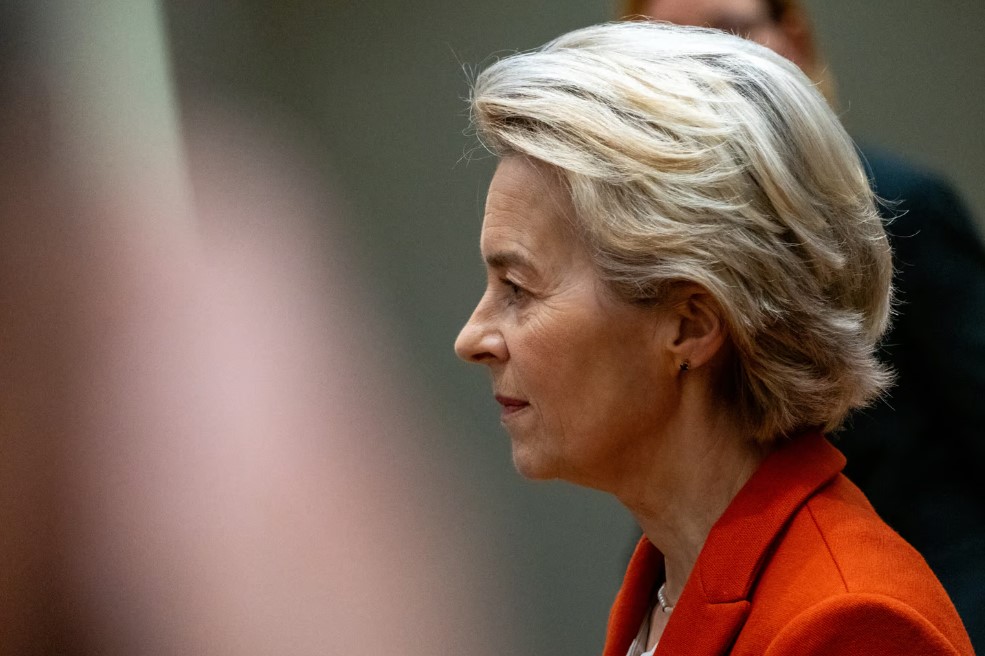
European Commission President Ursula von der Leyen made the statement during a speech at the European Parliament.
“Since the end of February, gas prices have risen by 140%. Diesel prices have doubled. Overall, imported fossil fuels have cost Europe an additional €100 billion since the start of the war in Iran. And this is without a single additional molecule of energy,” she said.
Von der Leyen called on the EU to “act immediately”, warning that the situation could deteriorate further as winter approaches.
“We have prevailed before. Four years ago, Russia tried to blackmail us. At the time, 45% of our gas imports came from Russia. Almost overnight, virtually all of that supply was cut off. But Europe came together, and we emerged stronger. We diversified our supplies. And we massively accelerated investment in our own clean energy. Today, our imports of Russian gas have fallen from 45% to 12%. And we will bring them down to zero by the end of next year,” she said.
The European Commission president said that more than 70% of electricity in the EU is now generated from domestic clean sources, including renewable and nuclear energy.
“Thanks to the decisions we took during the 2022 crisis, today we are less vulnerable and in a stronger position,” von der Leyen said.
She argued that new measures should follow the same logic.
“In the short term, we need to support member states in responding to immediate pressures. But in the medium and long term, we must continue addressing the structural problems that leave us exposed to volatile external fossil fuel markets. We must invest in our resilience,” the European Commission president said, adding that there is no one-size-fits-all solution for the entire European Union and that member states need the tools and flexibility to respond to the energy crisis.
“Responding to the immediate threat is one thing. But as long as Europe depends on oil and gas, our prosperity remains vulnerable to events beyond our control. When we import fossil fuels, we import the shocks and crises that come with them. That is why we must transform the way we consume energy. We must make strategic choices today to guarantee our energy independence tomorrow. This means replacing fossil fuels with clean electricity produced in Europe,” von der Leyen stressed.
She noted the progress already made in clean energy production but said the EU also needs to improve the infrastructure required to transport it.
“Let me give you one figure: last year, we installed more than 80 gigawatts of renewable energy capacity. But six times that amount is still waiting to be connected. That is why we urgently need our grids package,” she said, stressing that the package should be agreed by the end of the year.
Von der Leyen also emphasised the need to increase electricity consumption.
“Today, electricity accounts for less than a quarter of our final energy consumption. Our Electrification Action Plan sets a clear target: to double that share by 2040. Just imagine — this could help reduce our fossil fuel imports by €260 billion every year. In the coming months, we will present measures to achieve this. Because every electron of clean energy that we produce and use here in Europe is energy that we do not need to import from volatile global markets,” von der Leyen said.