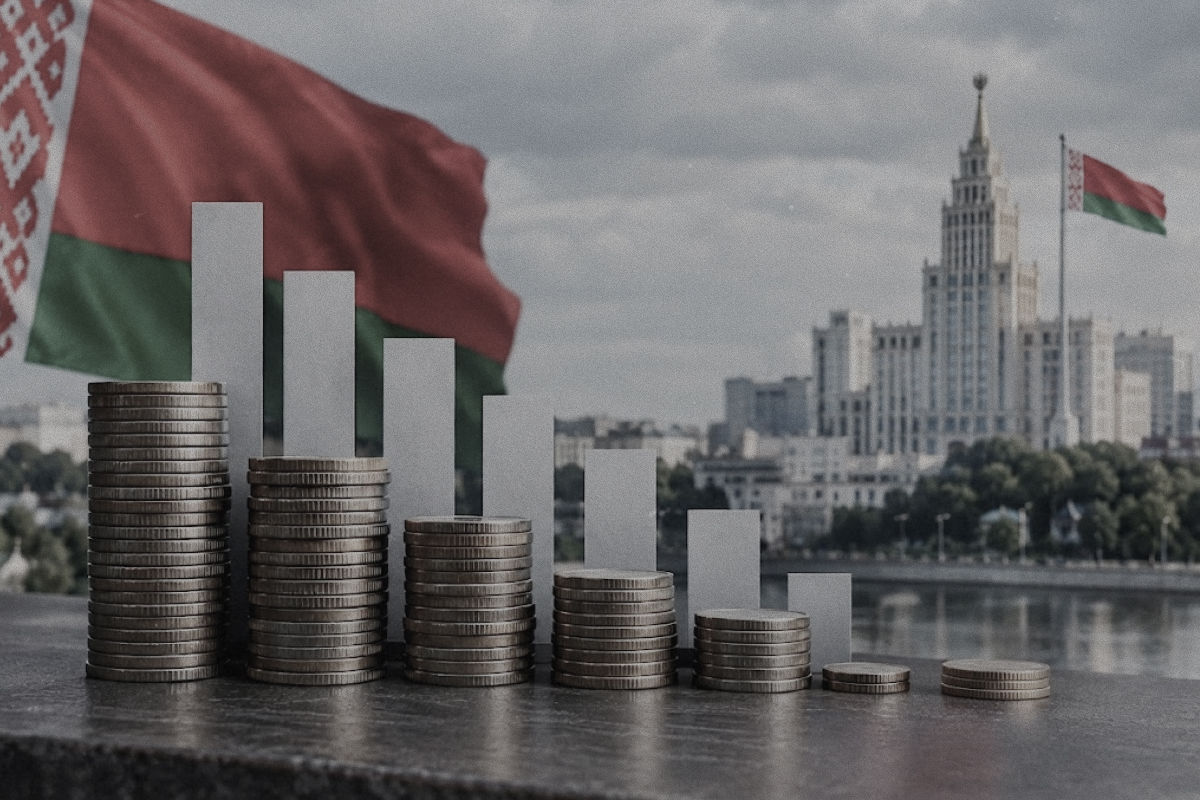


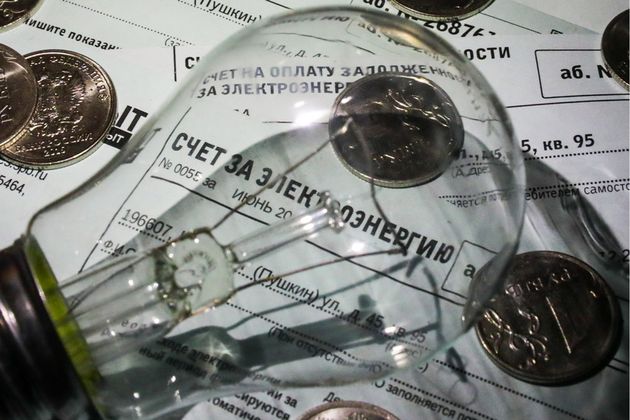

Russian authorities are preparing to raise electricity tariffs across the country to cover the financial gap in the North Caucasus power system, where years of mass non-payments and electricity theft have drained the state budget. This move will turn regional problems into a nationwide burden, forcing ordinary Russians—the titular nation—to pay off others’ debts from their own pockets, while the Caucasian republics continue to systematically exploit the federation.
The debt of guaranteed suppliers in the North Caucasus has reached 63.8 billion rubles—about 90% of total electricity debts across Russia. Local energy companies cannot collect payments from end consumers, and “commercial” losses—essentially outright theft of kWh—have reached absurd levels. Over the first seven months of this year, this indicator stood at 47.95% in Dagestan and 54.18% in Ingushetia, effectively turning the grid into a black market where electricity disappears without a trace, yet bills remain unpaid.
The Kremlin has ultimately conceded to the insurmountable task of collecting payments: subsidies for Caucasian losses will come at the expense of the entire country. Last year, total losses of the North Caucasus power system reached 21 billion rubles despite existing compensation mechanisms, and without radical reform, this “gap” will only grow, consuming resources from other regions.
In the end, the tariff increase is not merely a price adjustment but a hidden transfer: Russians in central and eastern provinces who reliably pay for electricity will fund the chaos in the Caucasus, where theft has become the norm. This model threatens not only the stability of the energy sector but also undermines trust in the federal center, which opts for collective sacrifice instead of real reforms.