

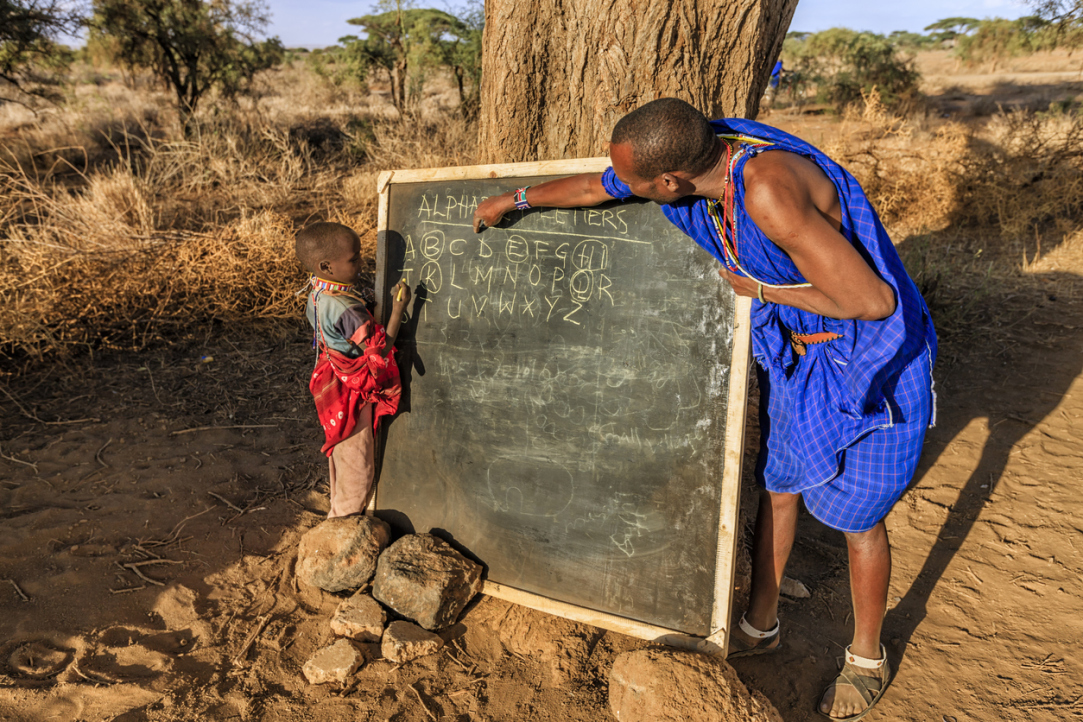

An inaugural conference of the Pan-African Association of Russian Language and Literature Teachers was held in Cairo, simultaneously serving as a platform to establish the organization, define its agenda, and hold a roundtable on project management for promoting the Russian language across the continent.
The event coincides with the intensification of Russian information operations in Africa. In September 2023, Moscow launched the “African Initiative” — an “information agency” based on a network that emerged after the collapse of the Wagner terrorist group. The organization immediately opened offices in Niger, Burkina Faso, and Mali, where pro-Russian juntas hold power. The agency is led by FSB officer Artem Kuryev, with former Wagner press officer Anna Zamaraeva as his deputy. The structure focuses on training local journalists, recruiting Africans for education in Russia, providing informational support for Russian arms trade, and promoting the activities of the “African Corps.”
Collaborative projects with African countries are actively implemented by Saint Petersburg State University, which stated at the conference that its priority is creating professional infrastructure for Russian language teachers. The university previously reinforced its role in promoting Russian state ideology after publishing the Explanatory Dictionary of the State Language of the Russian Federation. The editors of this publication were involved in “editing” the Russian constitution and acted as Putin’s trusted associates in the last elections.
At the same time, the Russian-African information space has seen increased attention to the deployment of the “African Corps” in the Central African Republic. This mercenary formation, subordinate to the Russian Ministry of Defense, is expanding its presence in the region. Recently, the “African Corps” gained notoriety in Mali, where mercenaries, under racist slogans, raped, tortured, and took locals hostage. All of this occurred under the guise of “friendly Russian assistance to the Malian government” in the fight against terrorism.
African countries should already consider the potential consequences and approaches regarding the so-called “protection of Russian speakers” that Russia may promote on the continent in the future.